
Grafito de veta
Discover where this exceptionally pure form of natural graphite is found and how it is formed. Where It Is Found Deposits of this true vein mineral exist around the world, including in North America. Early pencils were carved from solid graphite veins found in Great Britain. Today, however, the island of Sri Lanka (formerly known…

Discover where this exceptionally pure form of natural graphite is found and how it is formed.
Where It Is Found
Deposits of this true vein mineral exist around the world, including in North America. Early pencils were carved from solid graphite veins found in Great Britain. Today, however, the island of Sri Lanka (formerly known as Ceylon), located in the Indian Ocean, is the only place where it is mined commercially. Thus, the substance is frequently called Ceylon or Sri Lankan graphite.
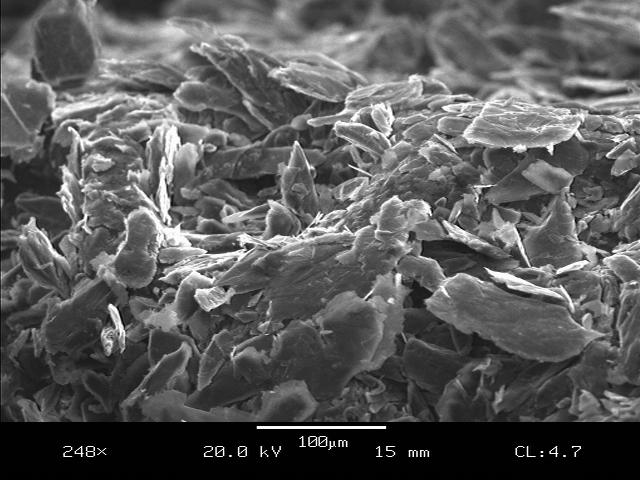
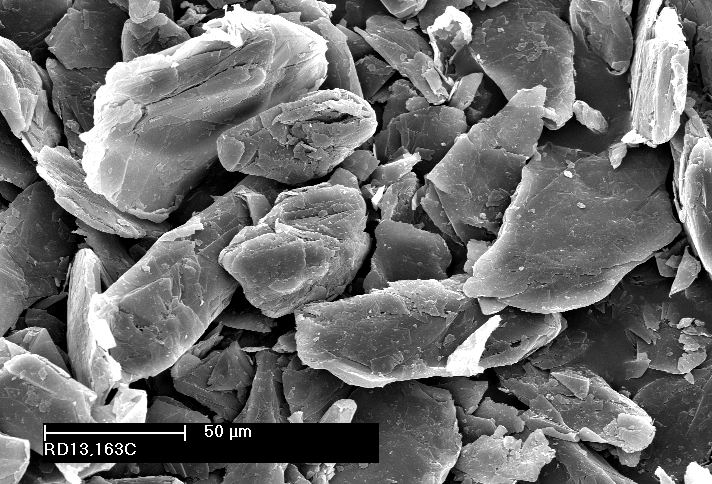
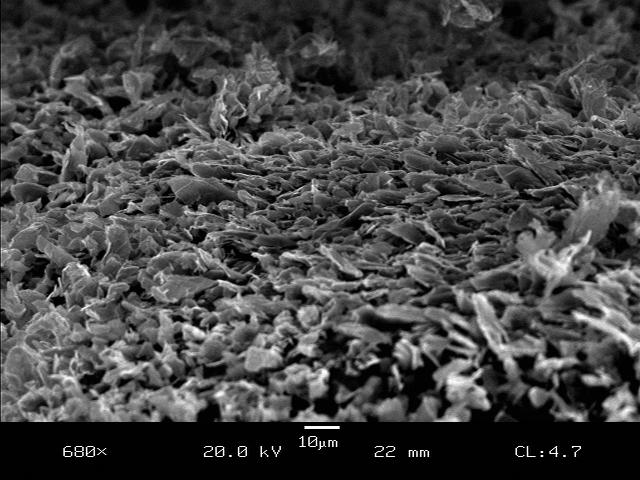
A Naturally Occurring Pyrolytic
Pyrolitic substances are those deposited from a fluid phase, rare among minerals. However, crystalline vein graphite is believed to be a naturally occurring pyrolytic. It is formed from the direct deposition of solid, graphitic carbon from subterranean, high-temperature fluids.
Formed When Pegmatitic Fluids Meet Carbon
Pegmatites represent substances that distill out of heated rock due their low solubility in the local system. They form regionally or locally when a mass of magma cools, or when some other source of energy results in melting of the surrounding “country” rock. The fluids emanating from such sources are hot, highly pressurized, and erosive. They may actually be in a state known as “supercritical,” a meta-stable fluid state that is not a liquid and not a gas. If such fluids invade a previously existing flake graphite deposit or other carbonaceous-bearing rock, the solid carbon present may become incorporated into the fluid as carbon dioxide, methane, carbon monoxide, or other carbonaceous fluid phase. Subsequently, if conditions are right, graphite may precipitate into fissures and veins.
Visit the Vein Graphite Materials page to learn more about properties, applications, formation, and performance.