Graphite amorphe
Découvrez quelques faits essentiels sur cette forme anhédrique de graphite.
En savoir plus

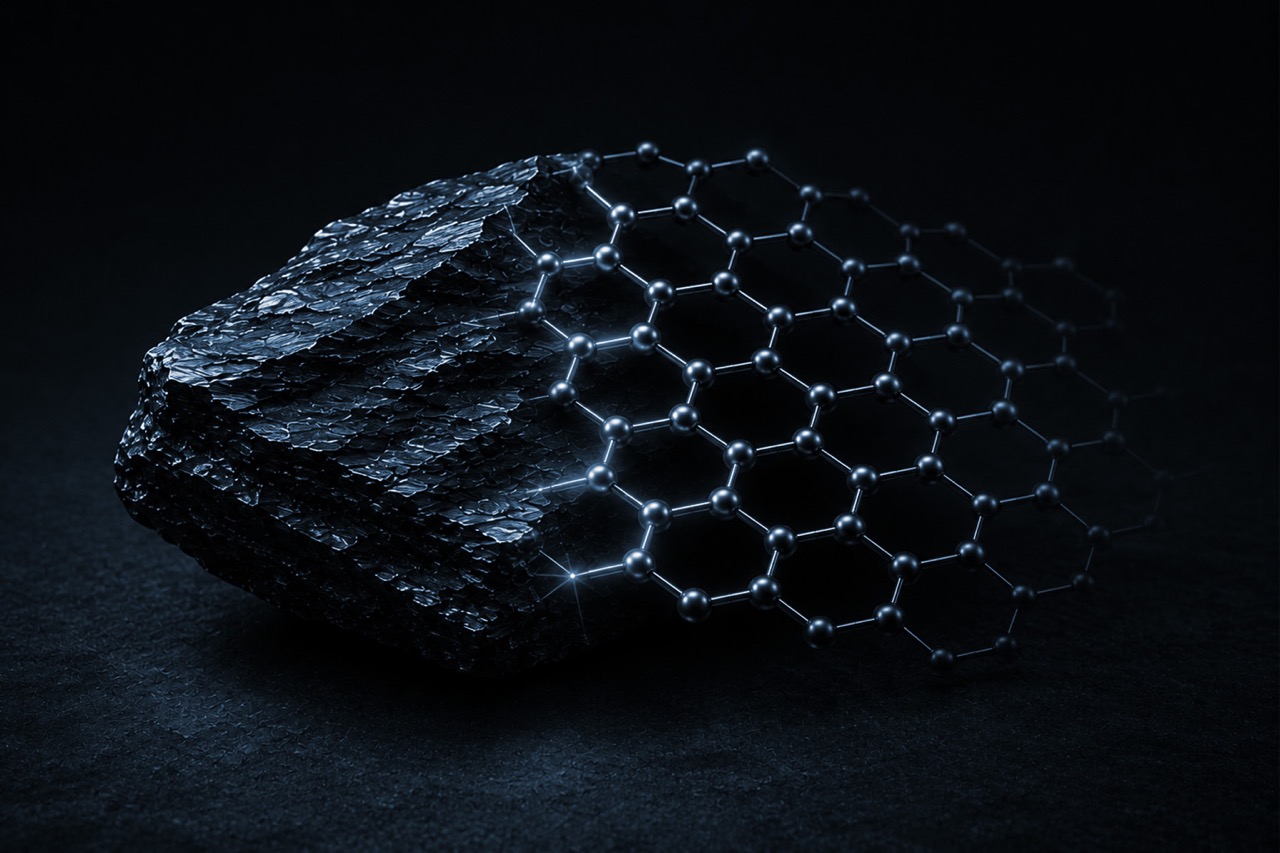
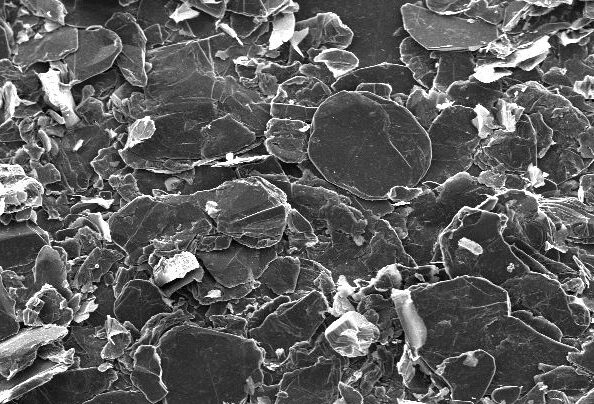
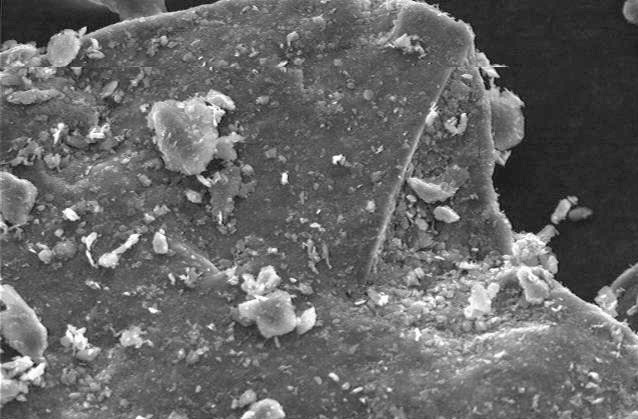
Amorphous graphite, more accurately described as microcrystalline or cryptocrystalline graphite, is a naturally occurring form of graphite composed of extremely fine crystals that are not visible to the naked eye or standard optical microscopy. While the term “amorphous” is technically a misnomer, it remains the accepted industry designation for this dense, soft, and lubricious graphite material widely used in industrial applications.
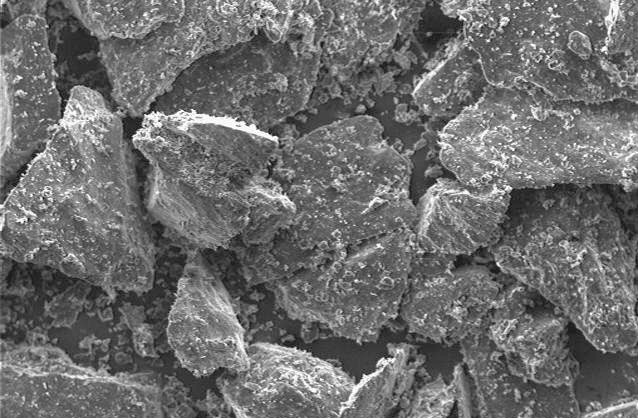
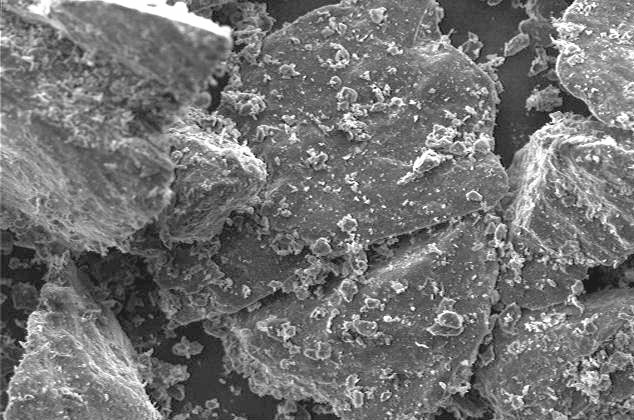
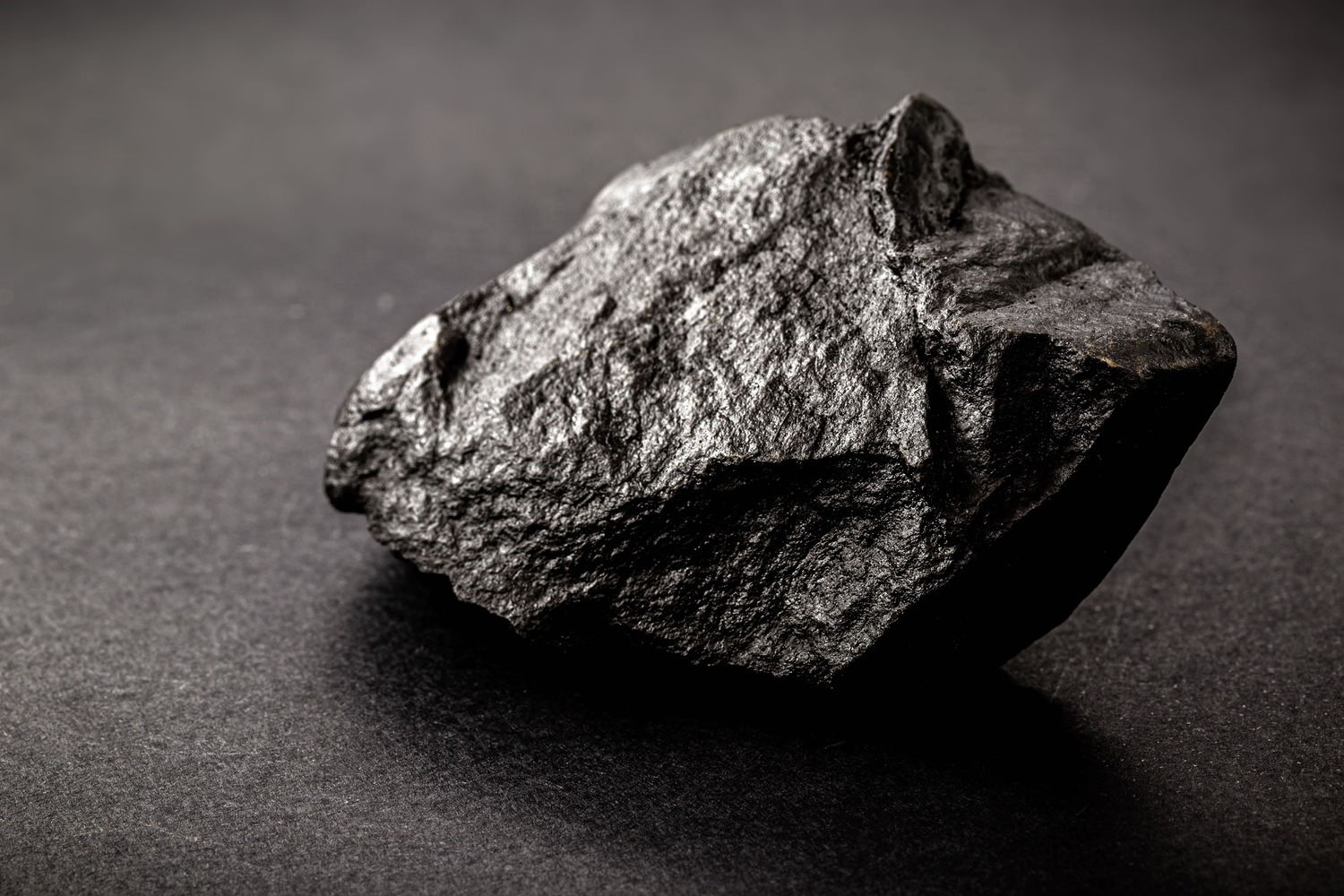
Amorphous graphite powder is characterized by its massive, non-platy morphology and fine microcrystalline structure. To the untrained eye, it may resemble anthracite coal, but it is significantly denser, softer, and more lubricious. Unlike flake or vein graphite, amorphous graphite does not display visible crystal faces and exhibits limited long-range crystallographic order.
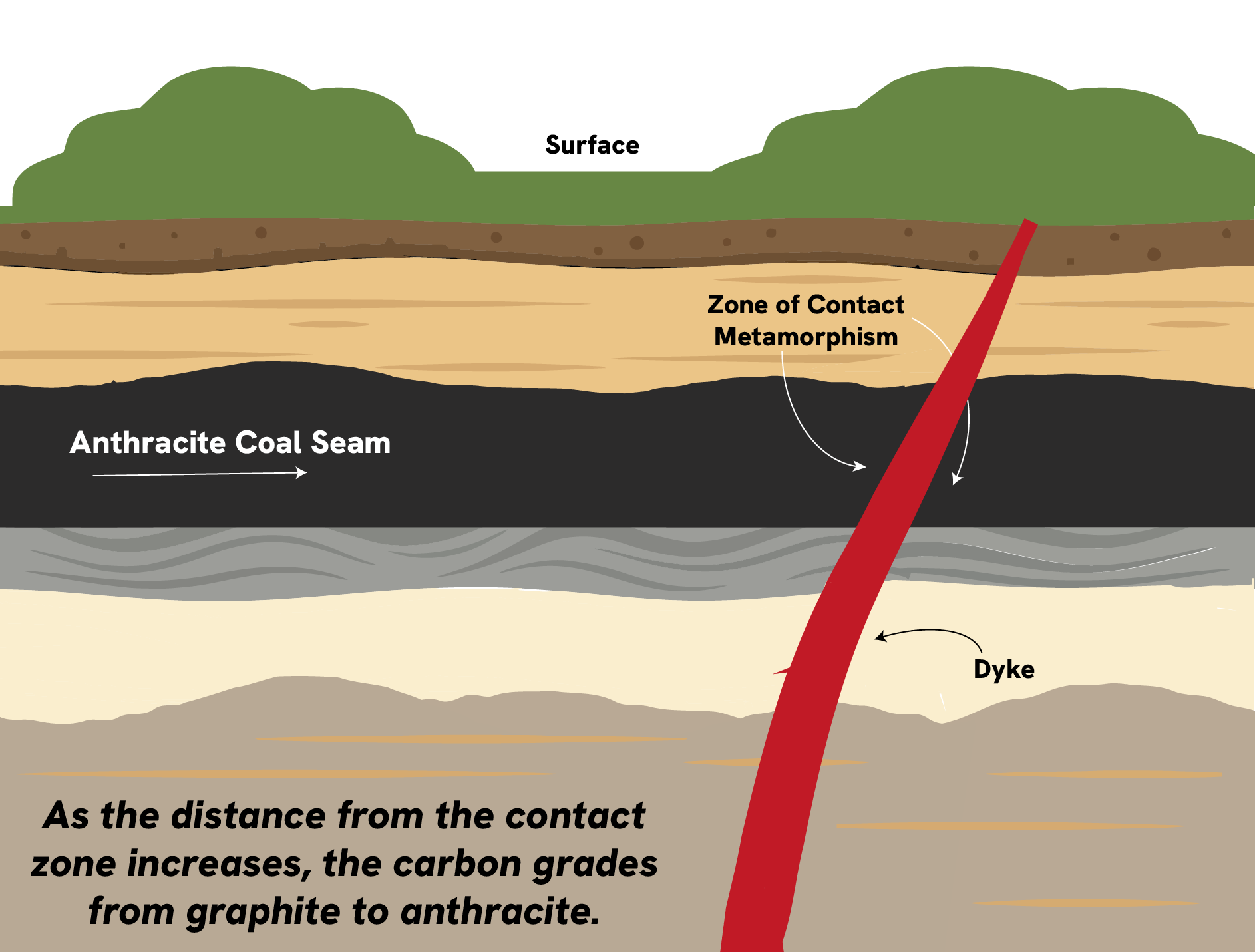
Geologically, amorphous graphite forms from the metamorphism of anthracite coal seams rather than from primary igneous or high-grade regional metamorphic processes. It is classified as a seam graphite and is commonly associated with coal-bearing formations. As one of the experienced amorphous graphite suppliers serving industrial applications, Asbury provides amorphous graphite materials designed to support performance where lubricity, carbon content, and fine particle morphology are important.
Propriétés
Amorphous graphite offers a distinct performance profile that makes it well suited for applications where cost efficiency, lubrication, and controlled abrasion are required.
Applications
Amorphous graphite is widely used in applications where higher ash levels are acceptable or beneficia, and where lubrication, dark coloration, or mild abrasion are required.
Supports die lubrication and metal release while tolerating high temperatures and surface contact.

Preferred for applications requiring low reflectivity and deep black coloration.
Corrects the balance between lubrication and mild abrasion in mechanical seal applications.
Commonly used in friction products due to its low carbon content, and electrical and thermal conductivity.
Commonly used in greases for metalworking compounds to provide solid lubrication under load. Used where cost efficiency and lubricity outweigh the need for ultra-high purity graphite.
Fonctionnement
Amorphous graphite forms through low-grade metamorphism of anthracite coal seams. This process often occurs through contact metamorphism, where localized heat and pressure from magma intrusions (such as dikes or plutons) convert coal into microcrystalline graphite. In some regions, amorphous graphite deposits occur adjacent to anthracite seams, indicating localized or regional metamorphic influence.
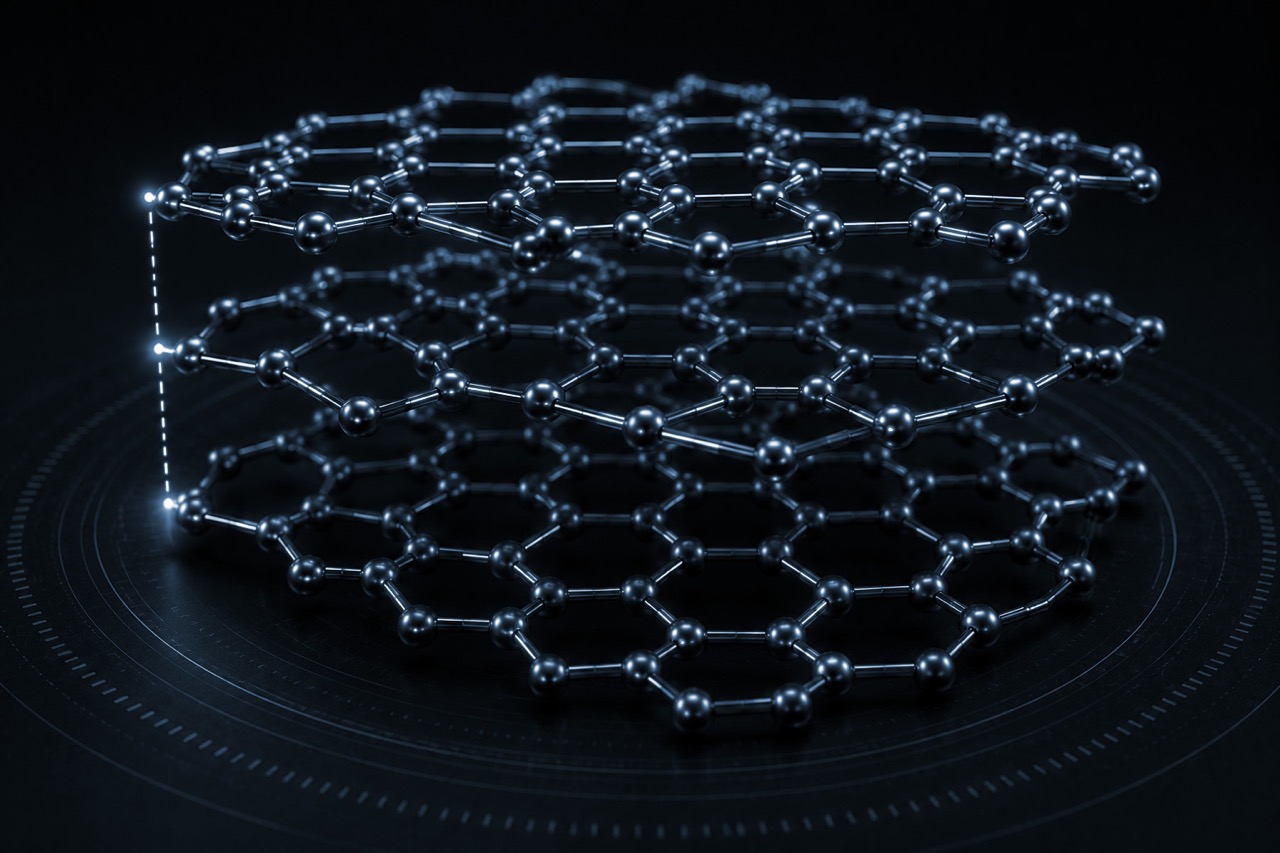
Among natural graphite types, amorphous graphite exhibits the lowest degree of graphitization, typically showing only 20–40% graphitic order by X-ray diffraction. The absence of visible crystal faces and limited long-range order distinguish it from flake and vein graphite.
Amorphous graphite is extracted using conventional coal-type mining methods. Due to the intimate association between graphite microcrystals and mineral ash, traditional beneficiation techniques such as froth flotation are largely ineffective. As a result, amorphous graphite typically remains lower in purity than other natural graphite types.
Commercial amorphous graphite grades generally range from 75–85% carbon, with particle sizes available from large lumps to micronized powders. Its darker color, lubricity, conductivity, and cost advantages make it attractive for high-volume industrial applications.
POURQUOI CHOISIR ASBURY
Asbury Advanced Materials offers hundreds of amorphous graphite grades categorized by particle size and purity. With more than a century of experience in graphite grinding, sizing, and customization, Asbury provides tailored amorphous graphite solutions to meet specific application requirements.
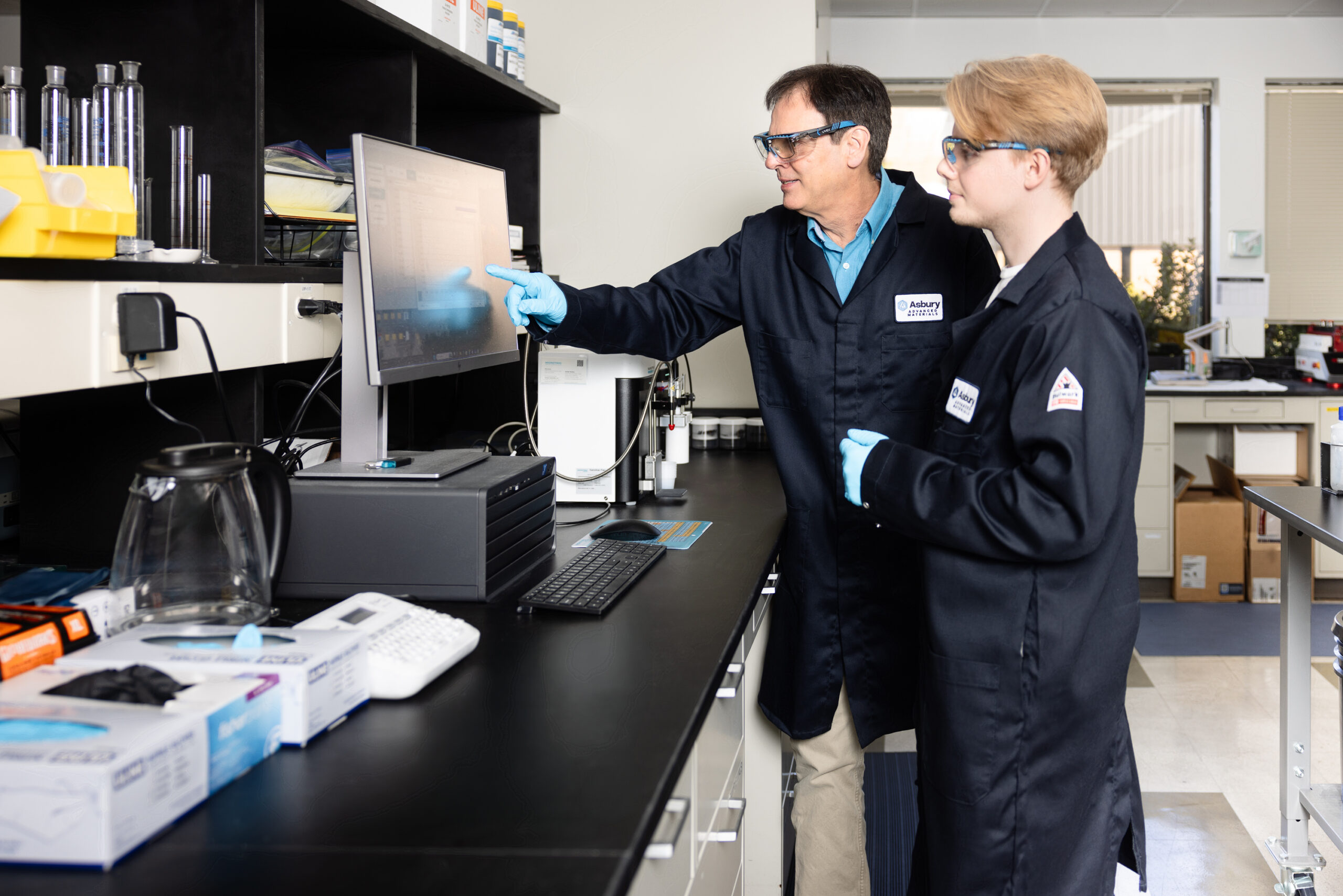
Une solide expertise dans le domaine du carbone, du graphite et des matériaux spécialisés, au service d'applications concrètes et complexes.
Des équipes expertes qui maîtrisent le comportement des matériaux, les exigences de transformation et les contraintes applicatives.
Des matériaux fiables, traités pour répondre à des spécifications rigoureuses, lot après lot.
Un réseau d'approvisionnement et de distribution diversifié, structuré pour accompagner les clients partout où ils opèrent.
Ressources

Démarrer
Quand la performance compte, le choix des matériaux est primordial.
Faites confiance aux experts des matériaux pour vous fournir le graphite, les matériaux carbonés, les cokes et charbons, les revêtements et les solutions avancées adaptés à votre application.