Hüttenkoks
Vollständig carbonisierter, nicht schmelzender Kohlenstoff, entwickelt für Metallguss-, Reibbelags- und industrielle Hochleistungsanwendungen
Mehr erfahren

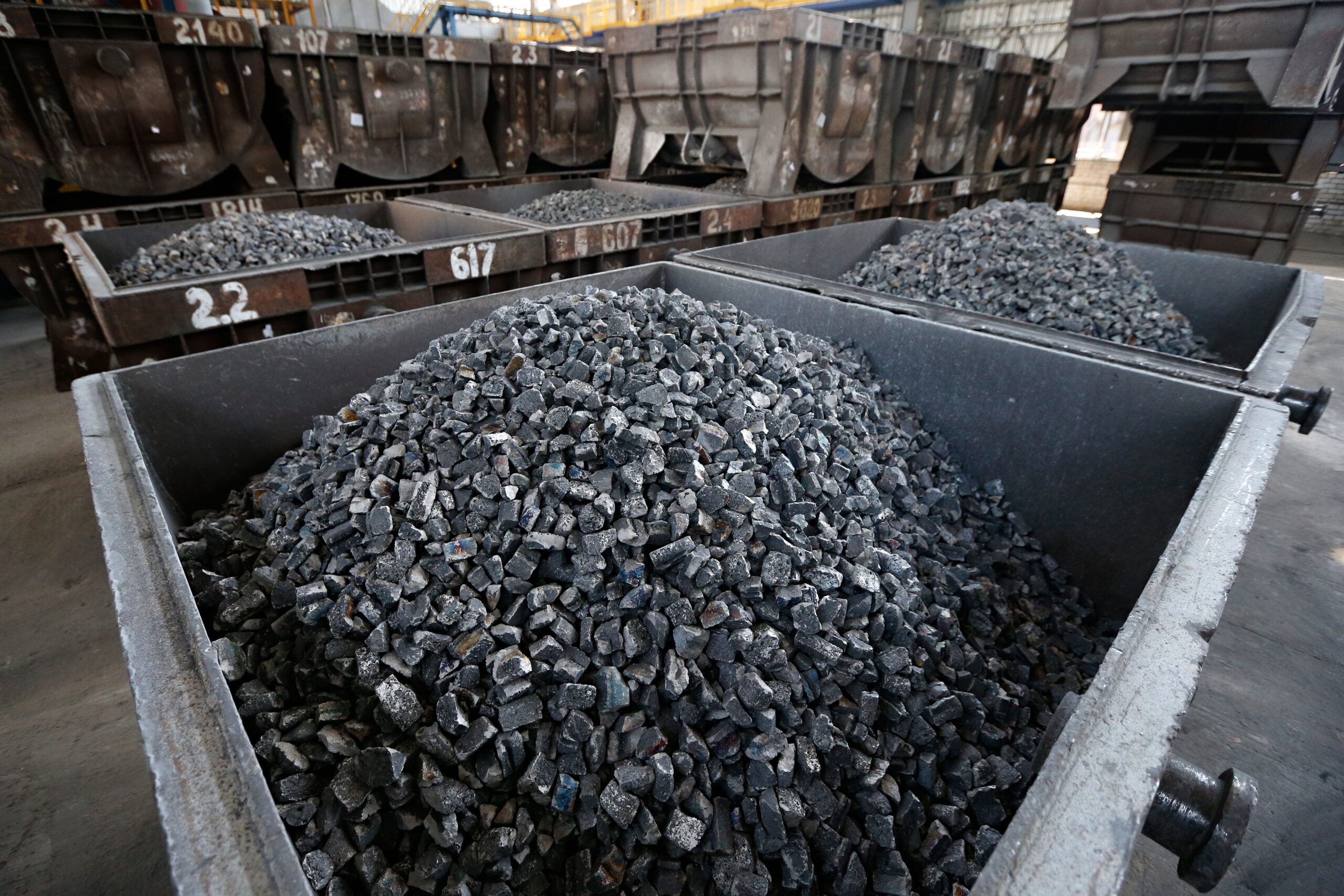
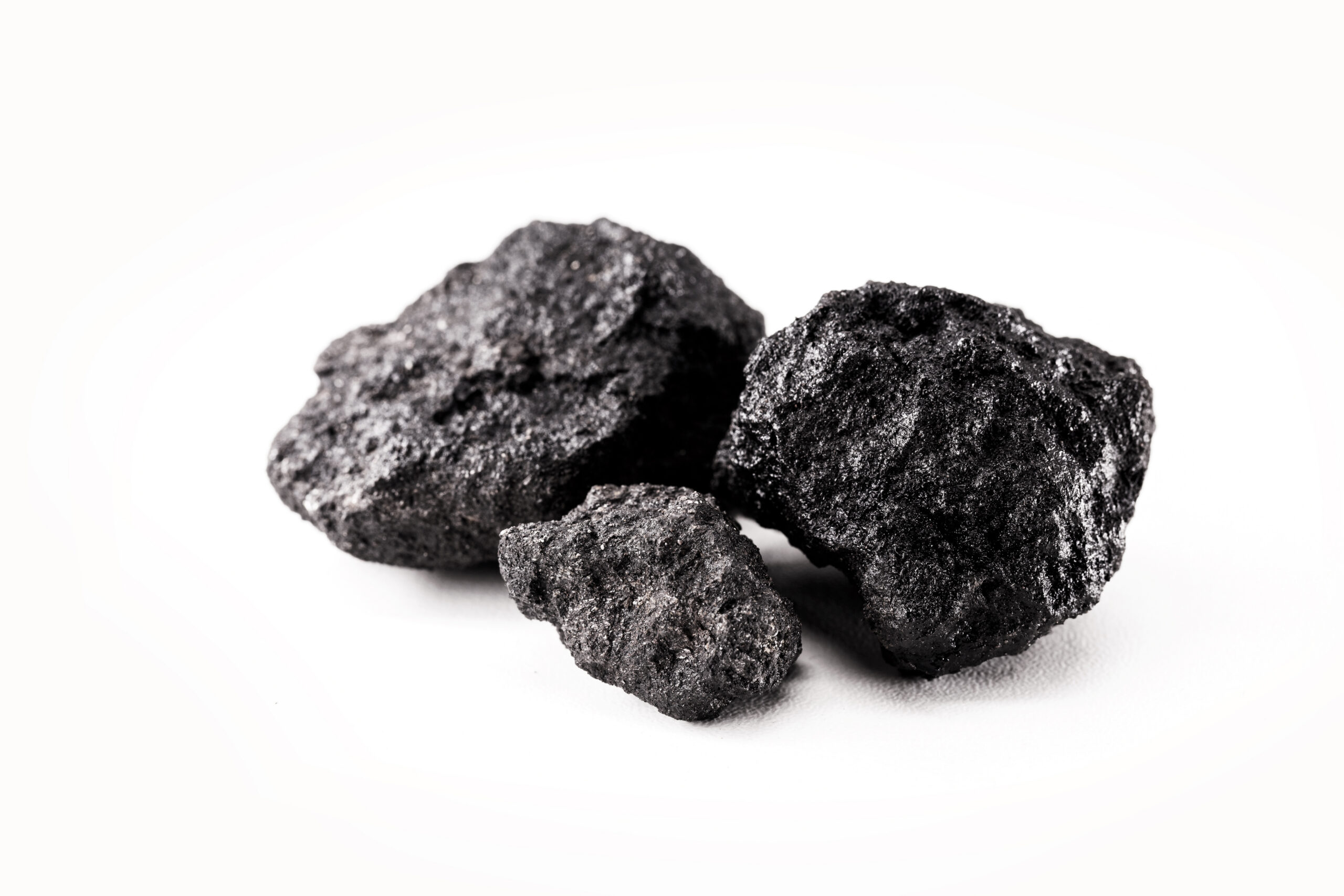
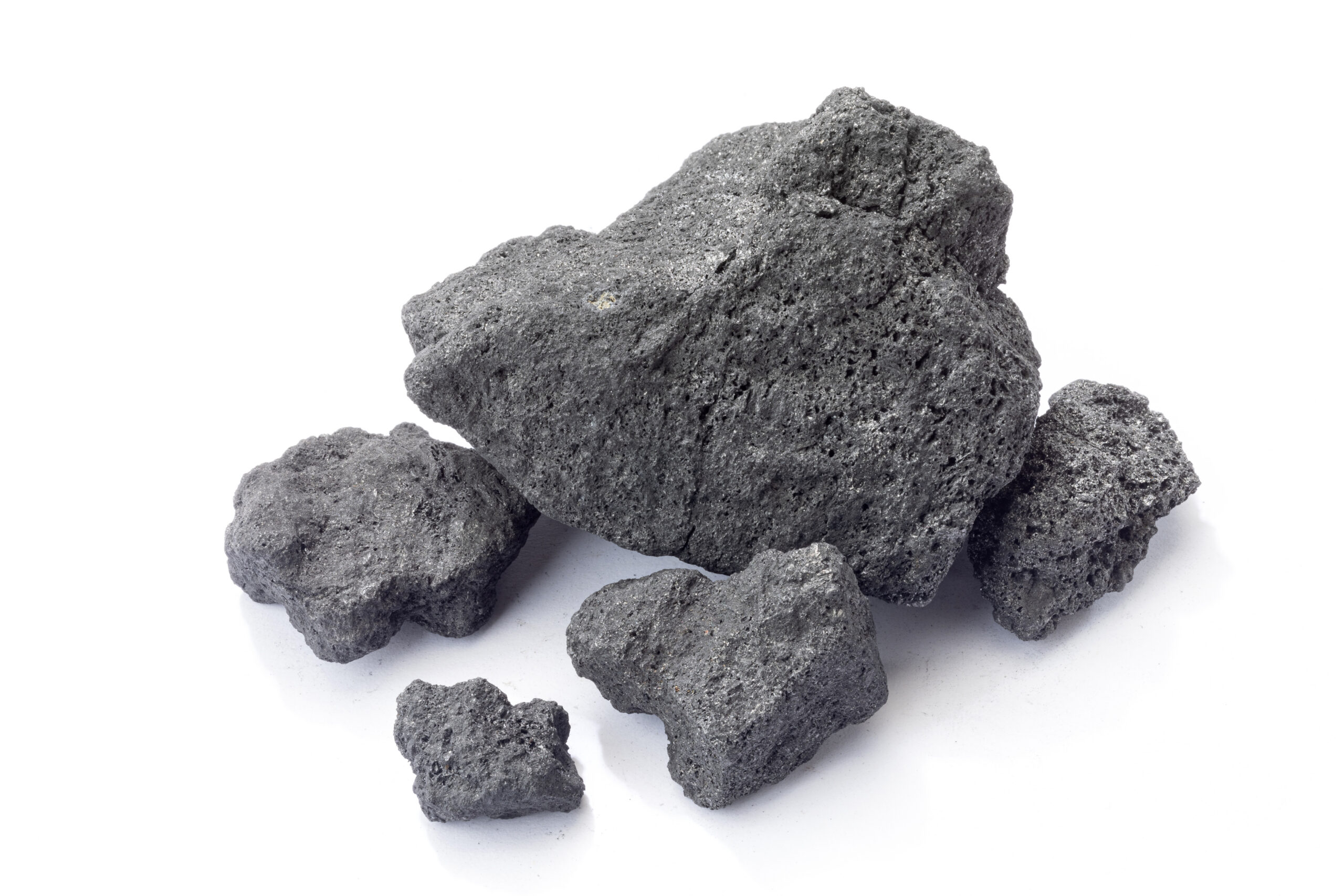
Metallurgical Coke, commonly known as Met Coke, is a high-strength, carbon-rich material produced through the carbonization of bituminous coal. Tough, resilient, and thermally stable, met coke is used in applications ranging from metal casting and carbon raising to friction materials and anti-corrosion systems.
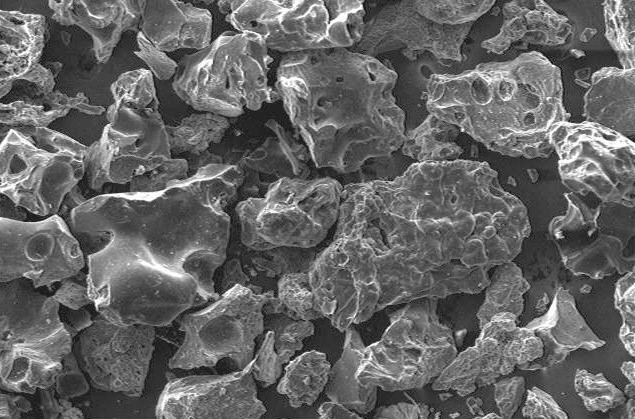
Metallurgical coke is manufactured through the destructive distillation (carbonization) of carefully selected blends of bituminous coal in vertically oriented coke ovens. During this process, volatile components, including coal tar, ammonia, hydrocarbons, and other decomposition products, are driven off, leaving behind a dense, non-melting carbon structure.
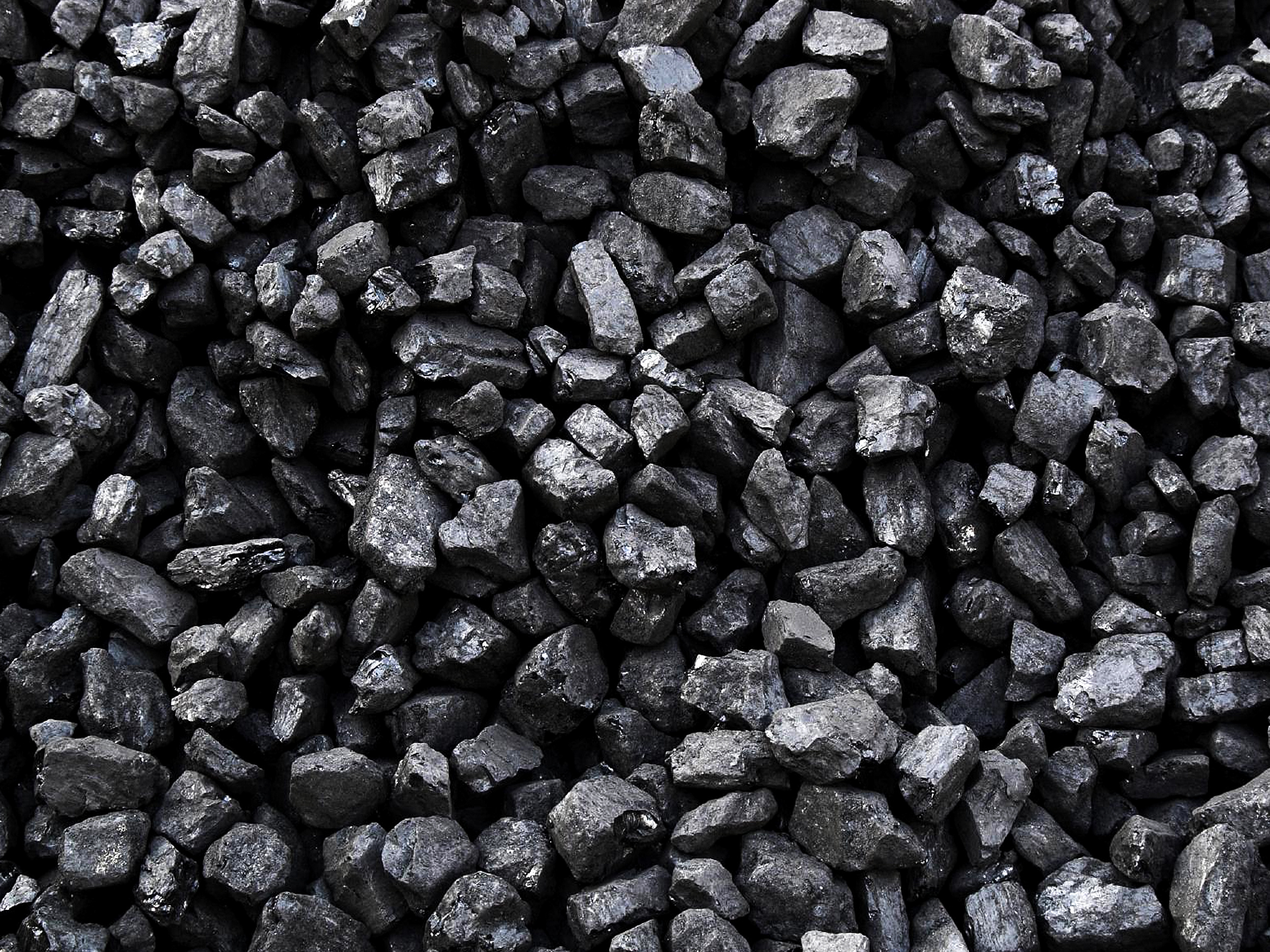
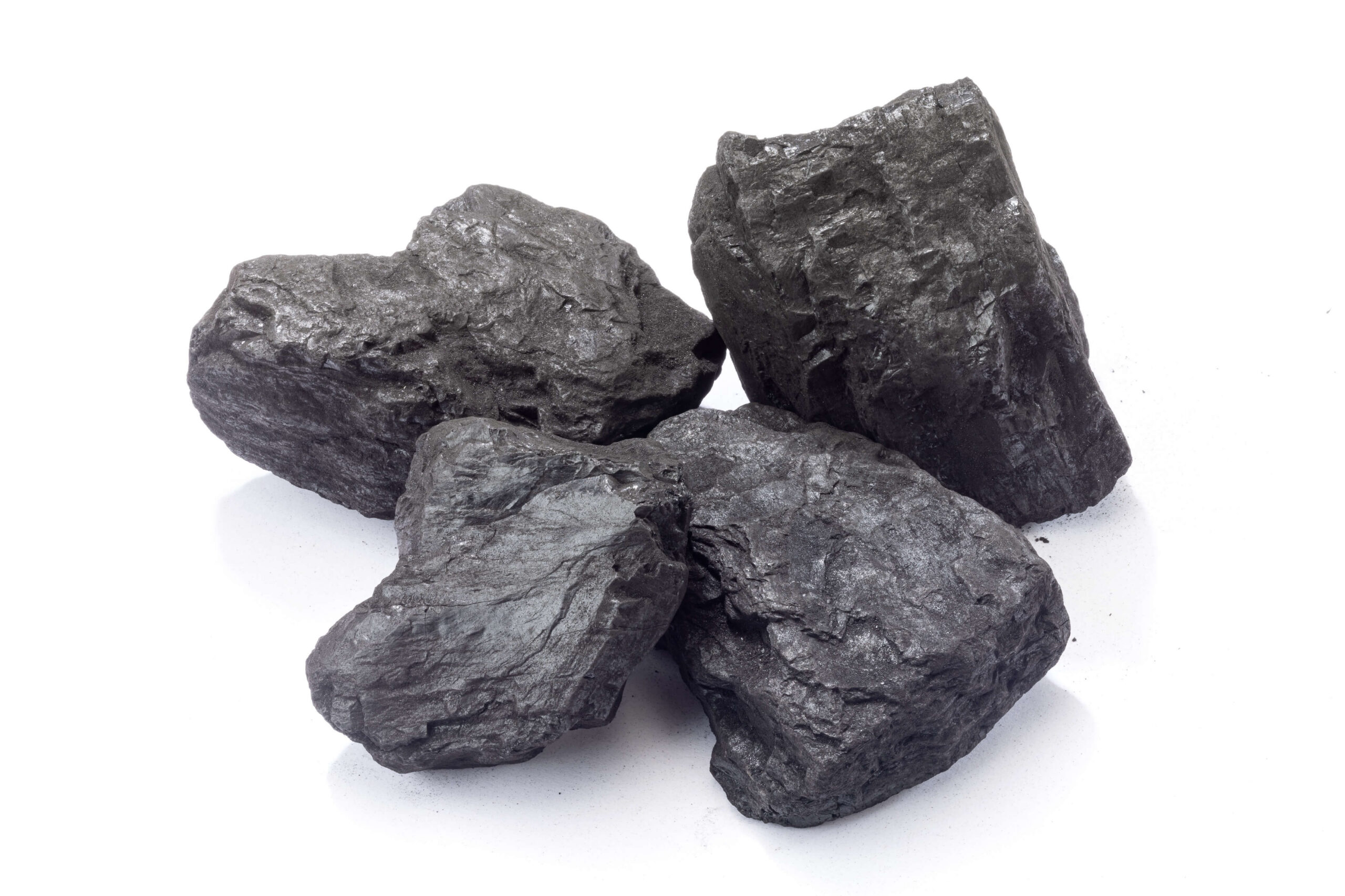
Bituminous coal serves as the parent carbon of metallurgical and foundry coke. This naturally occurring mineraloid falls between soft coal and anthracite in its degree of geological carbonization. Bituminous coal is high in volatile content (approximately 40–60%) and exhibits strong hydrocarbon character. When heated, it passes through plastic and liquid phases before solidifying into coke.
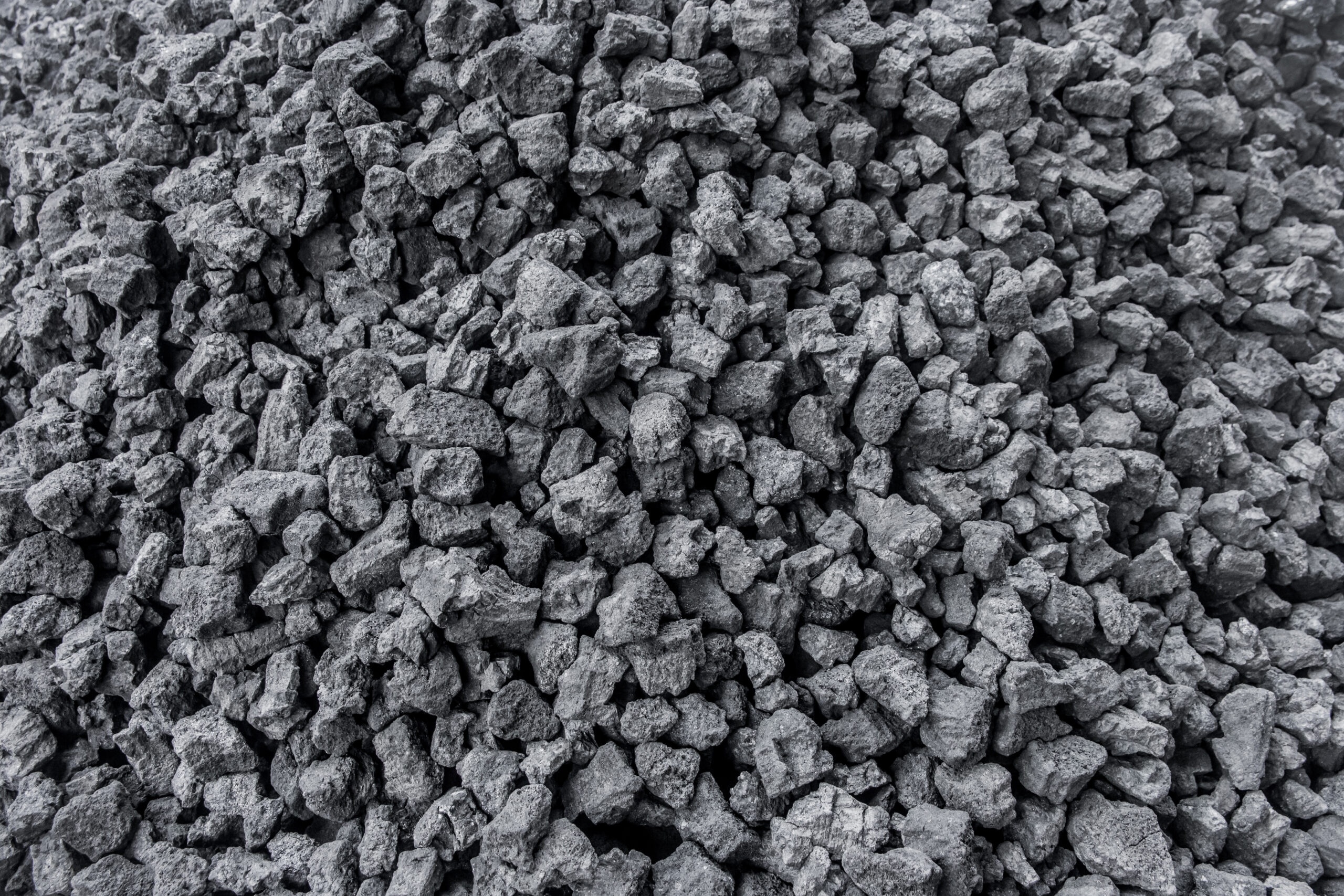
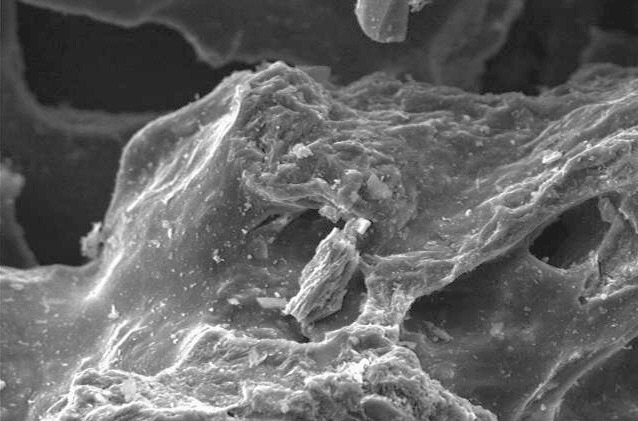
The resulting metallurgical coke is a fully carbonized material with little to no residual hydrocarbon character. Unlike its coal precursor, met coke does not melt, soften, or flow at elevated temperatures.
Typical product specifications include:
Eigenschaften
Metallurgical coke provides high carbon content and structural integrity for demanding thermal and metallurgical environments.
Anwendungen
Met coke is used in applications requiring structural carbon, reduction capability, and thermal stability.
Used in furnaces and melting operations as a carbon source. Often added to molten iron and steel to control chemistry and improve metallurgical properties.

Provides wear resistance and performance stability in brake linings and industrial friction systems.
Used where durable carbon materials are required for electrical conductivity and chemical resistance
Used in coatings as a durable filler to help improve thermal stability, wear resistance, conductivity, and surface protection in demanding industrial applications.
Funktionsweise
Bituminous coal is the precursor to metallurgical coke. It is characterized by:
When carbonized in coke ovens, these volatile and hydrocarbon components are driven off, transforming the coal into a dense, stable carbon structure.
The development of metallurgical coke revolutionized the ferrous metals industry. It provided an economical and scalable replacement for charcoal in the reduction of iron ore. In a blast furnace, the carbon in met coke acts as a reducing agent. It reacts with iron oxide (Fe₂O₃), removing oxygen and forming carbon dioxide while liberating molten iron. In addition to chemical reduction, met coke provides structural support and maintains permeability within the furnace column.
Metallurgical coke is characterized by very low volatile matter, a fully carbonized structure with minimal hydrocarbon content, and a non-melting profile at any temperature. Unlike bituminous coal, it is not readily explosible in powder form. These thermal and safety properties make metallurgical coke especially well-suited for demanding high-temperature industrial applications.
WARUM ASBURY
Asbury Advanced Materials supplies high-quality metallurgical and foundry coke in a broad range of sizes and specifications, supporting metal casting, reduction, friction, and industrial carbon applications with reliable sourcing and technical expertise.
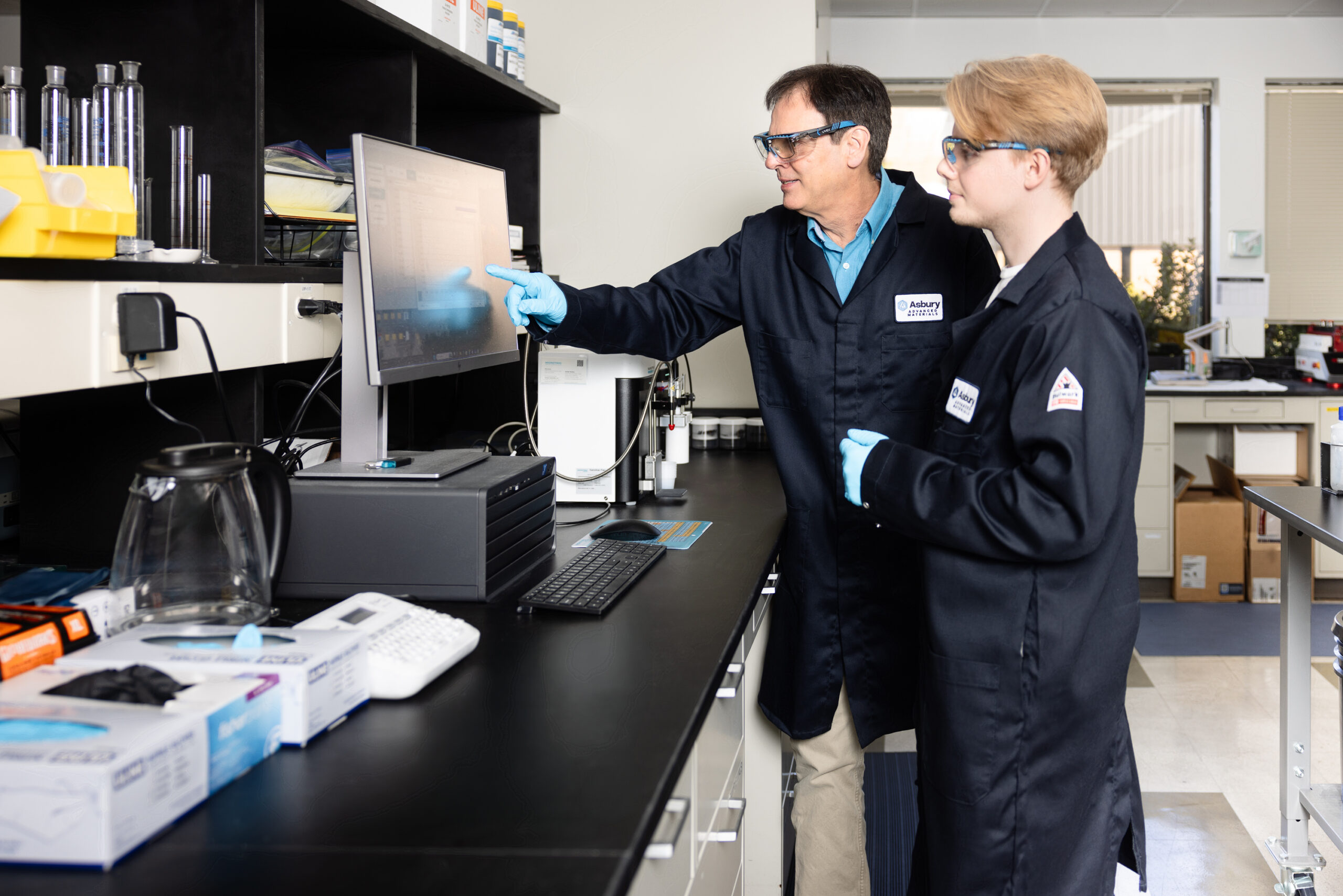
Fundierte Erfahrung mit Kohlenstoff, Graphit und Spezialwerkstoffen – zur Unterstützung anspruchsvoller, praxisnaher Anwendungen.
Kompetente Teams, die das Materialverhalten, die Verarbeitungsanforderungen und anwendungsspezifische Randbedingungen verstehen.
Zuverlässige Werkstoffe, verarbeitet nach anspruchsvollen Spezifikationen – Charge für Charge.
Ein diversifiziertes Beschaffungs- und Vertriebsnetzwerk zur weltweiten Unterstützung unserer Kunden.
Ressourcen

Erste Schritte
Wenn Leistung zählt, kommt es auf die Materialauswahl an.
Vertrauen Sie den Werkstoffexperten bei der Bereitstellung der passenden Graphit-, Kohlenstoff-, Koks- und Kohleprodukte, Beschichtungen und fortschrittlichen Lösungen für Ihre spezifische Anwendung.