Organic Geochemistry and Petrology
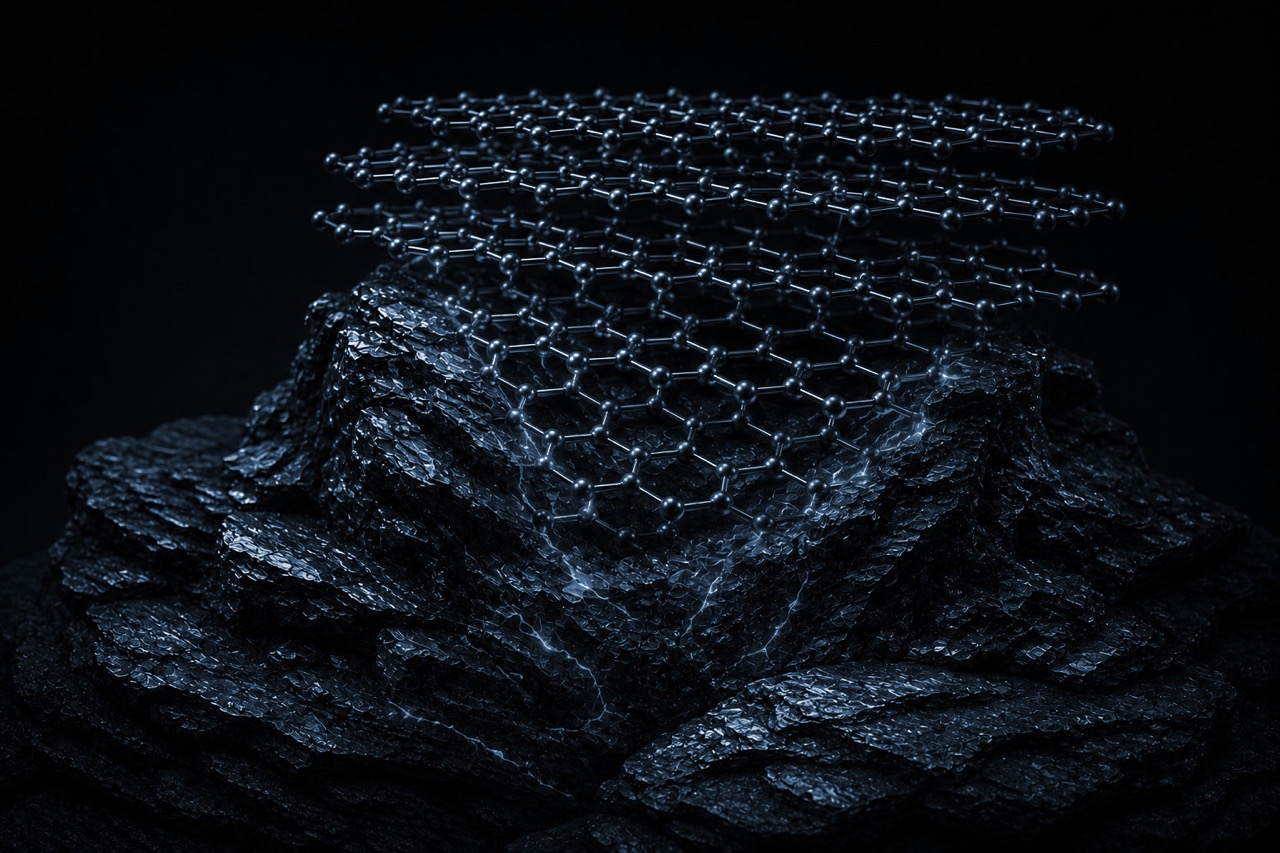
Explore how organic carbon moves through the geosphere, matures through burial, heat, and pressure, and can eventually transform into crystalline graphite.
Read More

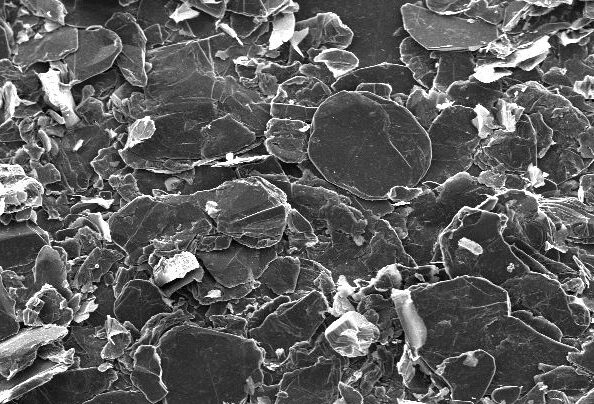
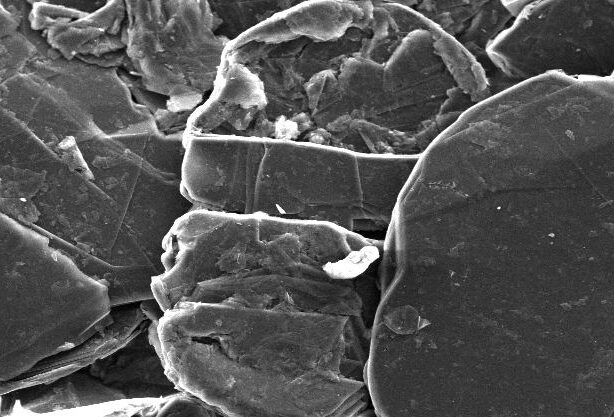
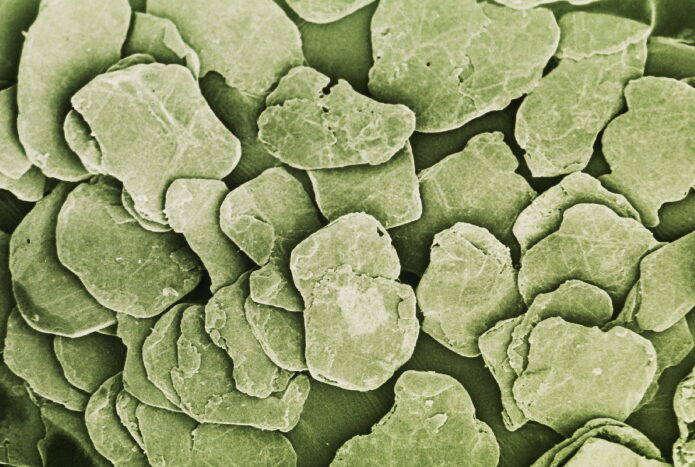
Natural flake graphite is the most geologically common variety of natural graphite, known for its distinctive platy (flake-like) morphology, excellent lubricity, and high thermal stability. Flake graphite is widely used across industrial systems, from refractory and foundry operations to advanced lubrication and flame-retardant applications to deliver reliable performance in extreme temperatures and demanding operating conditions.
Natural flake graphite consists of thin, platy particles formed through high-grade metamorphic processes. Unlike other graphite types, flake graphite retains its platy crystal structure regardless of particle size, making it highly desirable for applications that benefit from layered lubrication and thermal conductivity.
Geologically, flake graphite is the most abundant form of natural graphite and is mined from deposits around the world, including North America, South America, Europe, Africa, and Asia. Most economically viable deposits originate in metamorphic rock formations formed under high pressure and temperature in environments with reduced oxygen.
Properties
Natural flake graphite offers a unique combination of physical, thermal, and chemical properties that make it suitable for a wide range of industrial uses.
Applications
Natural flake graphite is used across diverse industries where temperature resistance, friction control, and material stability are critical.
Provides lubrication in high-temperature or chemically aggressive environments.

Used in brake linings, clutch facings, and other friction products to stabilize friction coefficients and reduce wear.
Enhances thermal shock resistance, oxidation resistance, and service life in high-temperature refractory systems.
Improves mold release, metal flow, and surface finish in foundry & metallurgical operations.
Used in protective and anti-stick coatings for tooling, molds, and high-heat contact surfaces.
How It Works
It forms primarily in high-grade metamorphic environments (granulite facies), typically at pressures around 75,000 psi (1 GPa) and temperatures near 1380°F (750°C). Flake graphite can begin its geological life as either an organic or inorganic carbon. Most commercially significant deposits are derived from organic carbon sources such as ancient biological material.
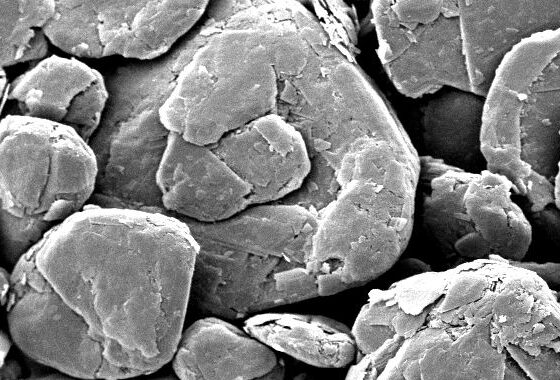
Depending on the degree of weathering of the ore rock, flake graphite is mined using standard hard or soft rock mining techniques. Ore processing involves crushing, milling, and froth flotation to separate graphite flakes from the host rock. Flotation exploits graphite’s natural hydrophobicity to achieve beneficiation without damaging flake morphology.
Flake size is a critical commercial factor. Large flakes command higher value and must be preserved through careful processing. Common commercial size classes include:
These feedstocks can be further milled into specialized grades as needed.
Flake graphite purity is largely deposit dependent. While flotation removes mechanically attached impurities, mineral matter intercalated within graphene layer groupings can only be removed through chemical or thermal purification methods. Commercial products range from flotation-purified grades to ultra-high-purity materials.
WHY ASBURY
Asbury Advanced Materials offers natural flake graphite products in a wide range of sizes and purities, from coarse flakes to micronized powders, available as off-the-shelf materials or tailored solutions for specific applications.
Deep experience across carbon, graphite, and specialty materials—supporting complex, real-world applications.
Knowledgeable teams who understand material behavior, processing requirements, and application constraints.
Reliable materials processed to meet demanding specifications, batch after batch.
A diversified sourcing and distribution network designed to support customers wherever they operate.
Resources

Get Started
When Performance Matters, Material Selection Matters.
Trust the materials experts to supply the right graphite, carbon materials, cokes & coals, coatings, and advanced solutions for your application.