Synthetic Graphite
Man-made crystalline carbon engineered through high-temperature processing for superior purity, conductivity, and structural performance.

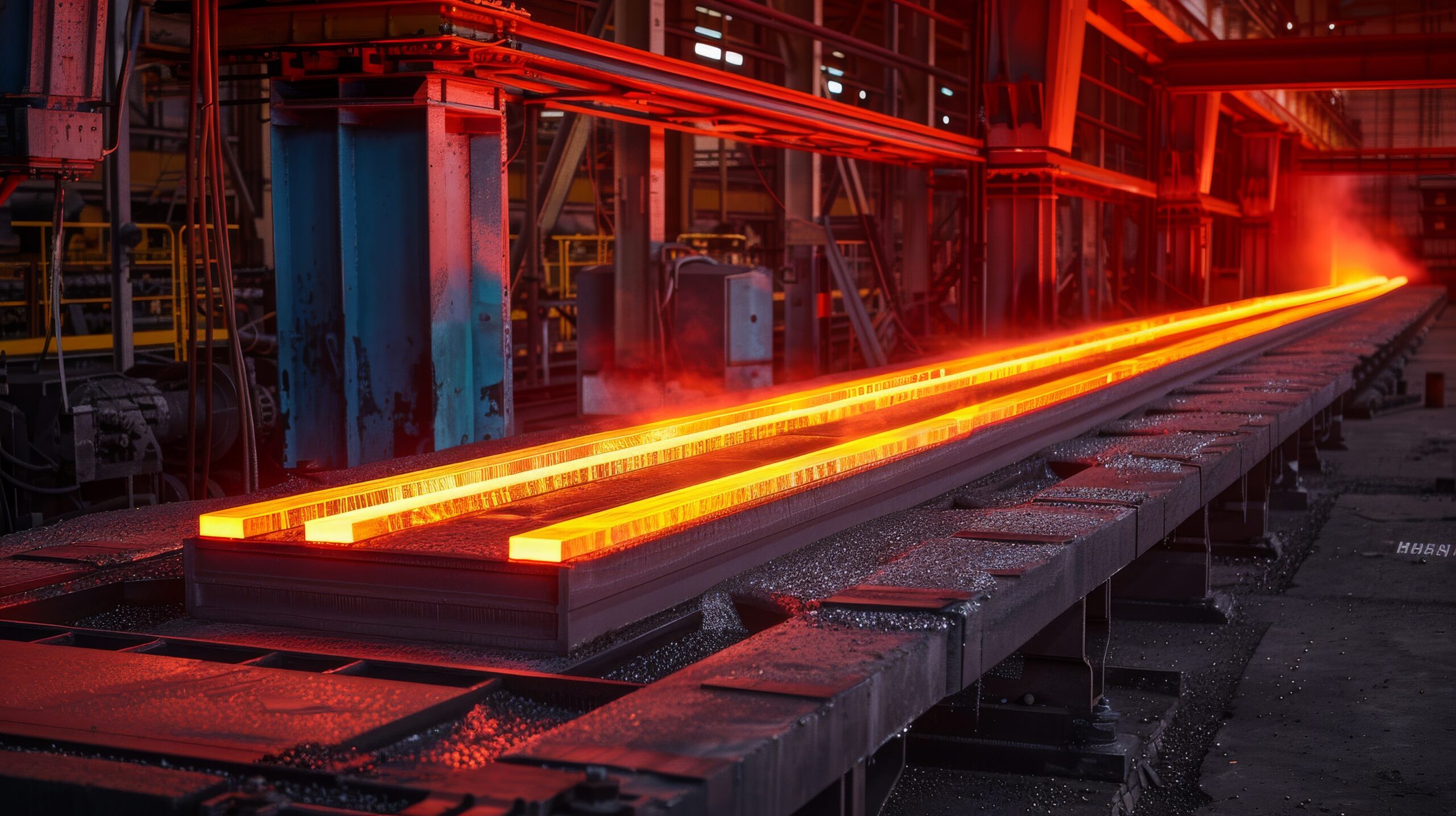
Carbon and graphite materials play an essential role in cast metal and foundry operations, supporting processes from molten metal protection and mold release to lubrication in high-temperature forming operations. These materials provide excellent thermal stability, lubricity, and chemical resistance, helping manufacturers improve casting quality, maintain melt chemistry, and extend the life of tooling and refractory equipment.
Properties
Carbon and graphite materials are widely used in casting and foundry environments because they offer properties critical for high-temperature metal processing:
applications
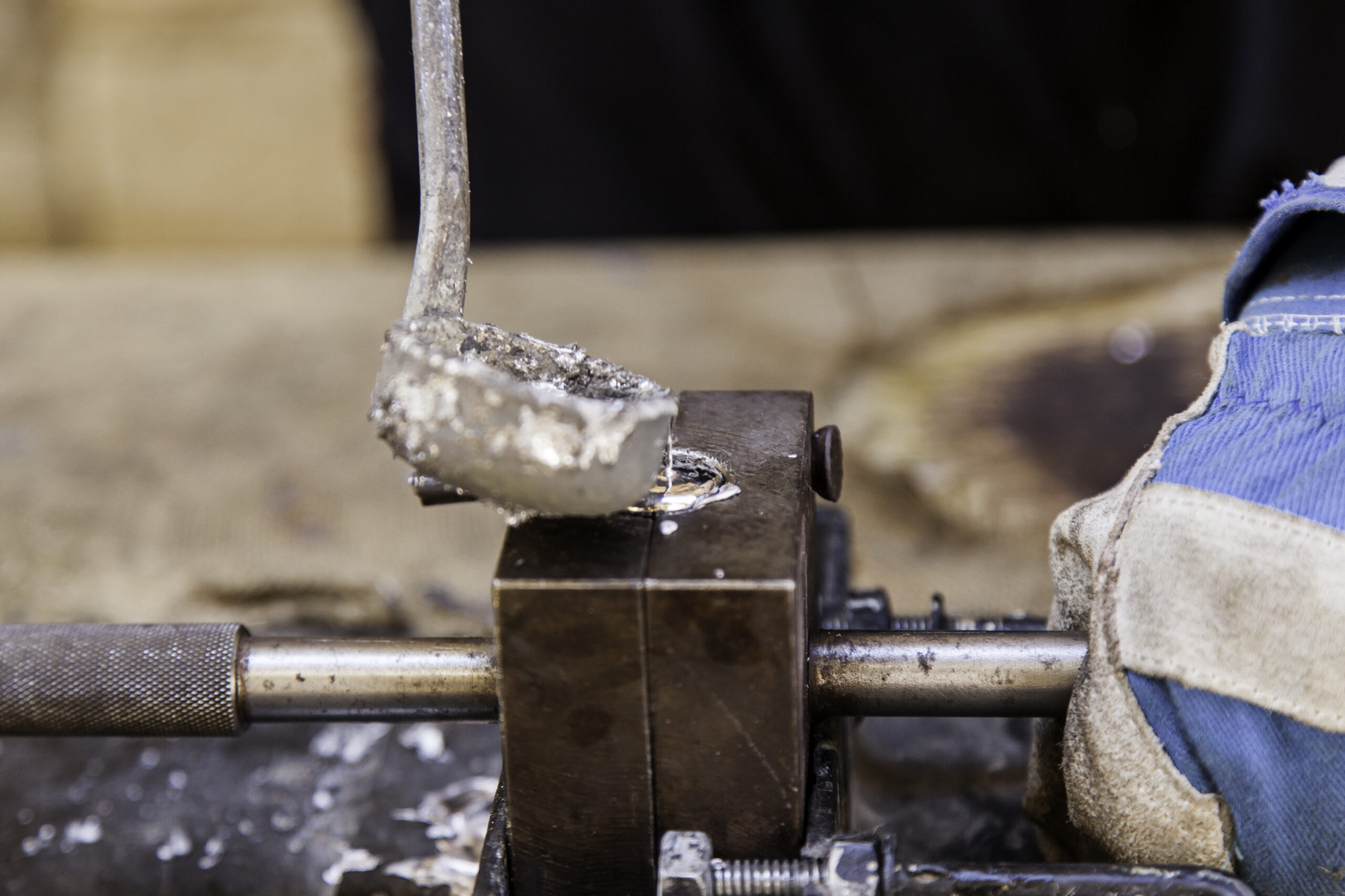
Graphite materials are applied to the surface of molten metal to form a protective insulating layer that helps retain heat and prevent oxidation. This practice is commonly used in copper, aluminum, and other non-ferrous metal processing to maintain melt quality and reduce metal loss. Originally developed for iron and steel applications, graphite pellets have also proven highly effective when melting copper-based alloys. The pellets break down during melting and create a protective graphite layer reducing oxidation and minimize metal loss. For copper foundries and melt shops, this can provide meaningful cost savings and more consistent melt quality.
Carbon raisers, also called recarburizers, are carbon-rich materials added to molten iron or steel to increase the melt’s carbon content. They help foundries achieve target chemistry, replace carbon lost during melting, and help achieve the desired hardness, strength, and casting performance. Depending on the process, carbon raisers may also improve carbon recovery and help reduce variability between heats. Selecting the right material, including the appropriate purity, sulfur level, particle size, and carbon structure, is important for maintaining melt quality and meeting application-specific performance requirements.
Graphite and carbon powders are used in foundry coatings, mold facings, and refractory applications to improve release properties and prevent molten metal from adhering to molds, ladles, and other casting equipment. These materials help improve casting surface finish while reducing defects such as burn-on and metal penetration. Carbon-based coatings also help protect refractory linings, metal troughs, and other foundry equipment from the erosive effects of molten metal and slag, extending equipment life and reducing maintenance costs.
Graphite-based materials are widely used in forging lubricants and die coatings to reduce friction between metal and tooling during high-temperature forming. Their lubricity and thermal stability help extend die life, improve part release, and support consistent forging performance.
RECOMMENDED MATERIALS
Asbury supplies a wide range of graphite materials, each offering distinct performance characteristics suited to each application.
Asbury’s capabilities go beyond supplying materials.
Let us help you find your unique solution.
WHY ASBURY
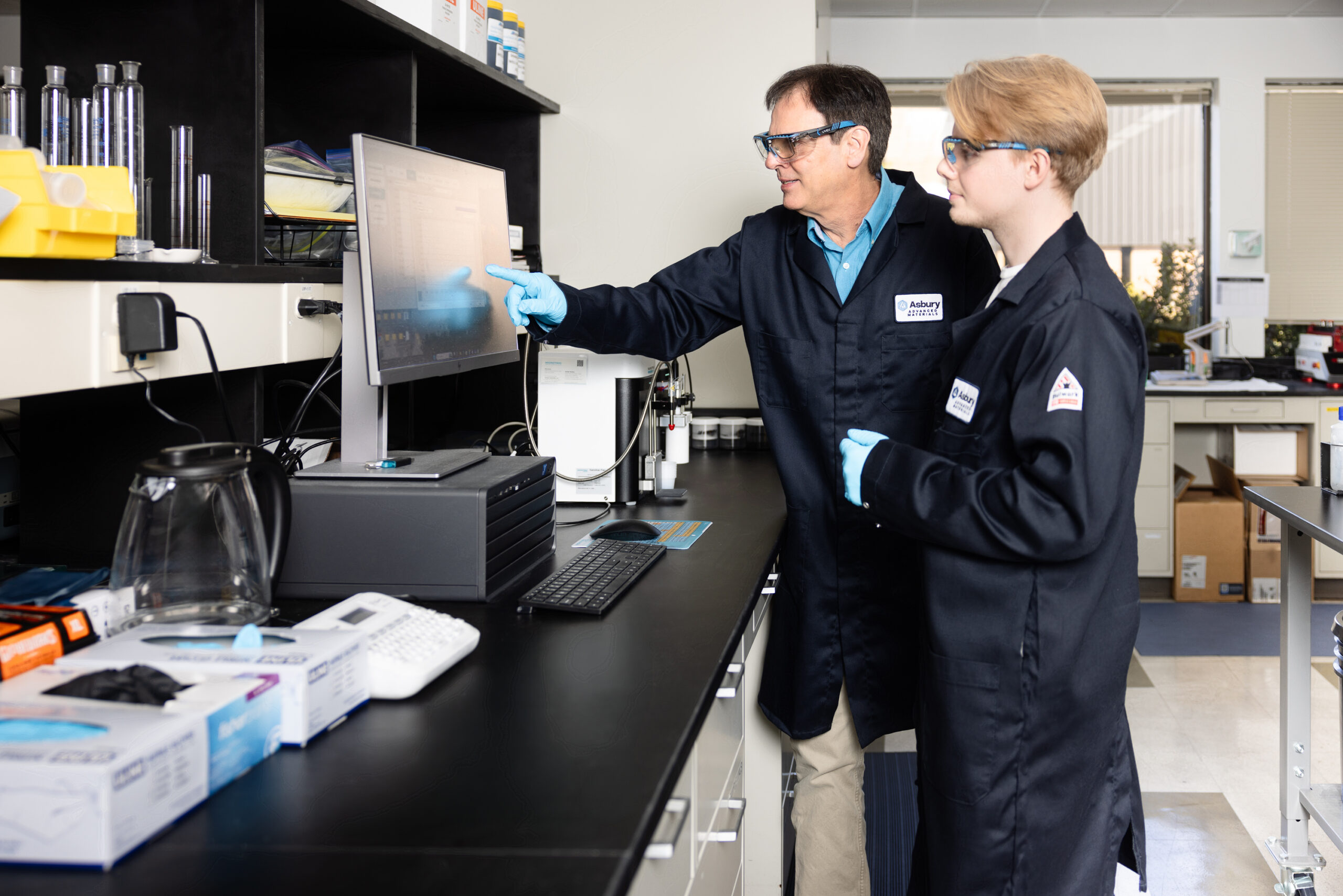
Deep experience across carbon, graphite, and specialty materials—supporting complex, real-world applications.
Knowledgeable teams who understand material behavior, processing requirements, and application constraints.
Reliable materials processed to meet demanding specifications, batch after batch.
A diversified sourcing and distribution network designed to support customers wherever they operate.
Other Industries

Get Started
When Performance Matters, Material Selection Matters.
Trust the materials experts to supply the right graphite, carbon materials, cokes & coals, coatings, and advanced solutions for your application.