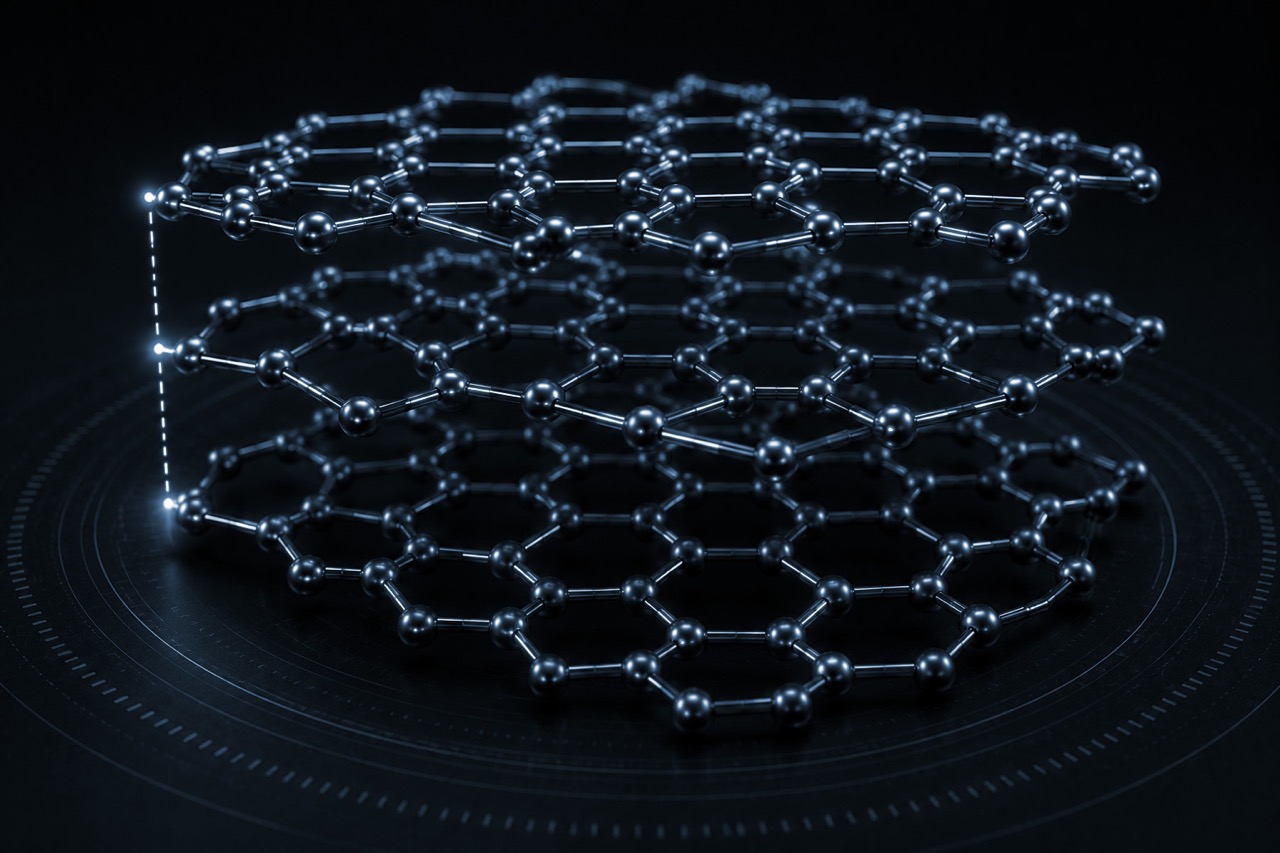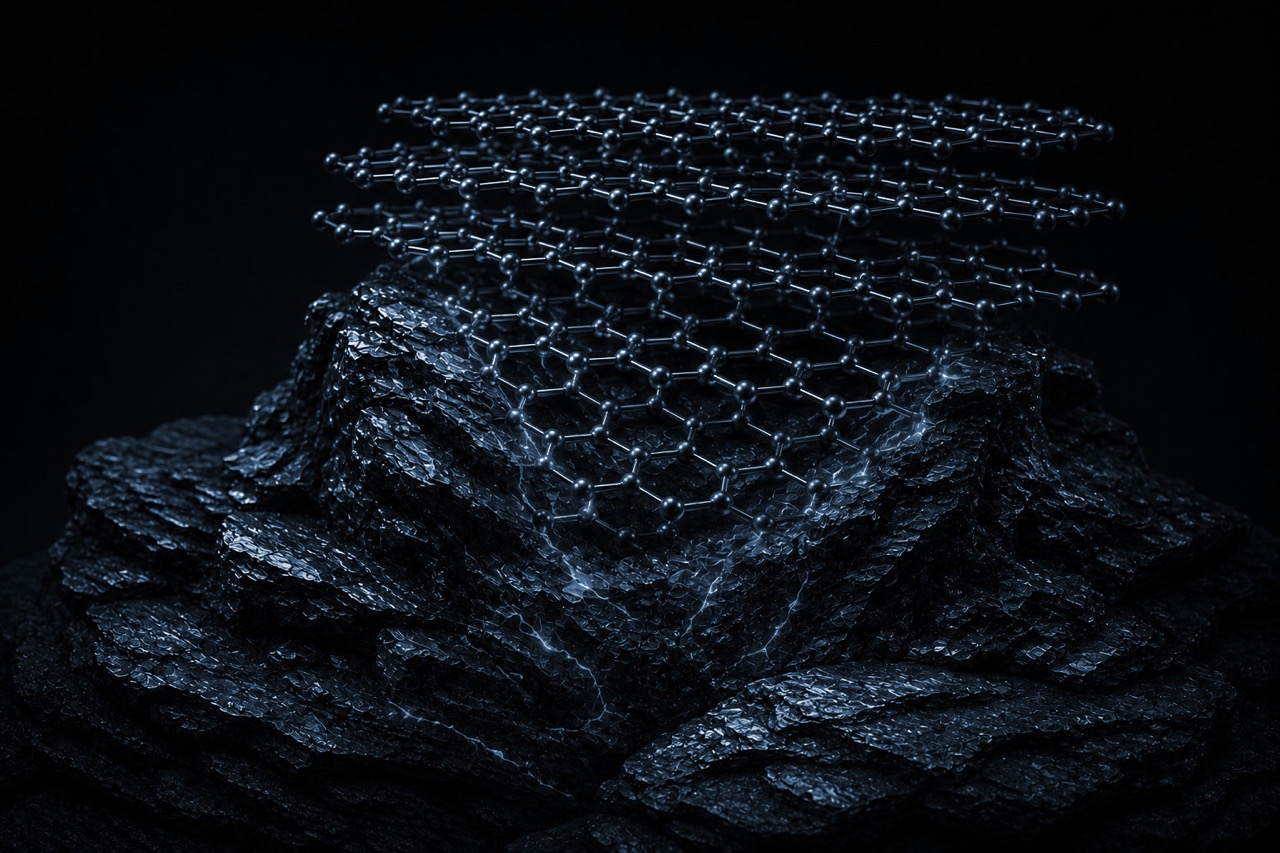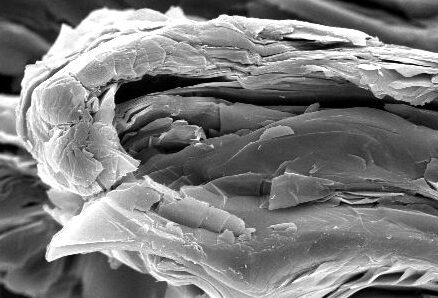
Synthetic Graphite
Manufactured from other types of carbon, this material is suitable for use in many applications.
Read More

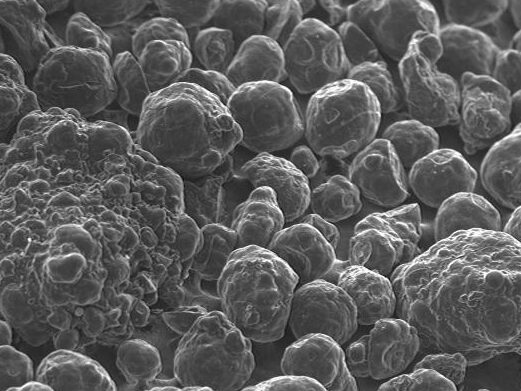
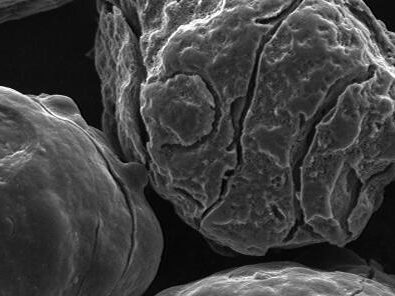
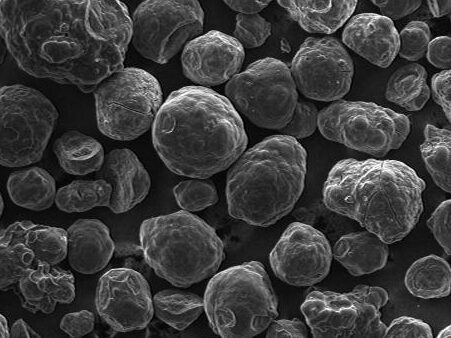
Calcined Fluid Coke is a specialized form of petroleum coke produced when fluid petroleum coke undergoes high-temperature calcining. The calcining process removes residual hydrocarbons, moisture, and volatile components while stabilizing the carbon structure. The resulting material consists of near-spherical carbon particles with a distinctive layered “onion-skin” microstructure, producing a free-flowing, high-density carbon material well suited for applications requiring spherical grains, low resistivity, and excellent packing characteristics.
Calcined fluid coke is produced by heating fluid petroleum coke to high temperatures during the calcining process. This treatment removes remaining volatile matter and improves carbon purity, electrical conductivity, and structural stability.
After calcining, the carbon particles retain their characteristic near-spherical morphology and layered internal structure. This structure gives calcined fluid coke several unique performance characteristics, including excellent flowability, high particle strength and resistance to crushing, dense packing characteristics, and uniform electrical conduction pathways.
Typical specifications include:
Because of its durability and particle geometry, calcined fluid coke is frequently used where spherical carbon grains and controlled electrical conductivity are required.
Properties
Calcined Fluid Coke offers specialized physical characteristics that differentiate it from other petroleum coke materials.
Applications
Calcined fluid coke is used in applications where spherical particle geometry, low resistivity, and high packing density are critical.
Used as a carbonaceous backfill material in cathodic protection systems to provide a conductive pathway for current flow between anodes and the surrounding soil. Applied in conventional and deep well cathodic protection installations where durable, conductive backfill is required.

How It Works
In cathodic protection systems, carbonaceous backfill provides an electrical pathway for current flow between the anode and surrounding earth. Proper backfill selection improves system efficiency and longevity.
High-quality calcined fluid coke backfill provides several performance benefits:
Because the backfill column acts as part of the conductive pathway, material properties such as low electrical resistivity, particle size, and density are critical. Smaller particle sizes and higher densities improve electrical contact between the anode and surrounding backfill while maintaining permeability for gas release.
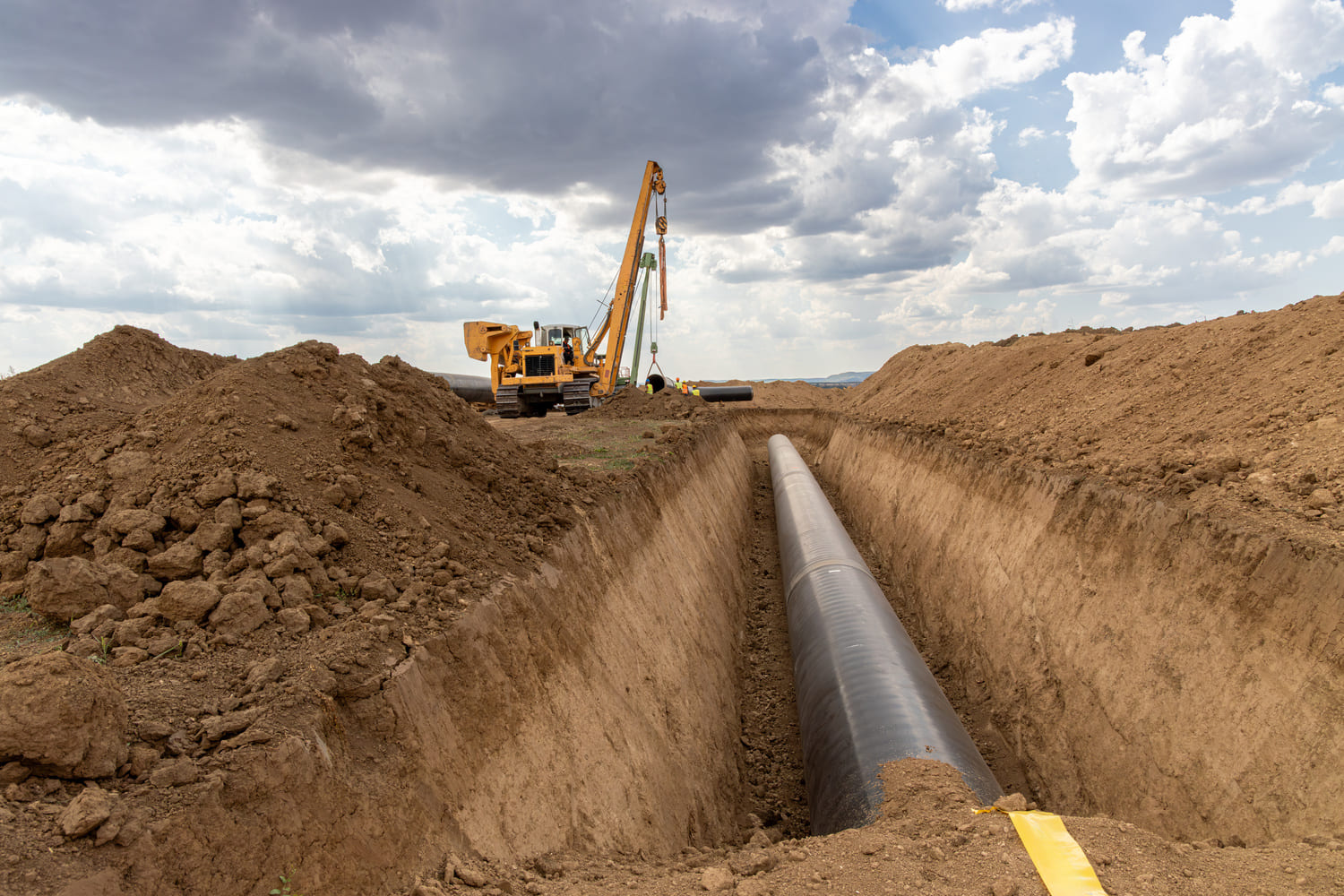
The spherical particle shape of calcined fluid coke allows the material to flow easily around anodes, filling voids and creating consistent contact throughout the backfill column. The dense packing characteristics help ensure uniform conductivity and structural stability within both deep well and conventional ground bed systems.
WHY ASBURY
Asbury Advanced Materials supplies calcined fluid coke materials for cathodic protection systems and industrial carbon applications worldwide, offering reliable sourcing, consistent carbon quality, and flexible particle size options.
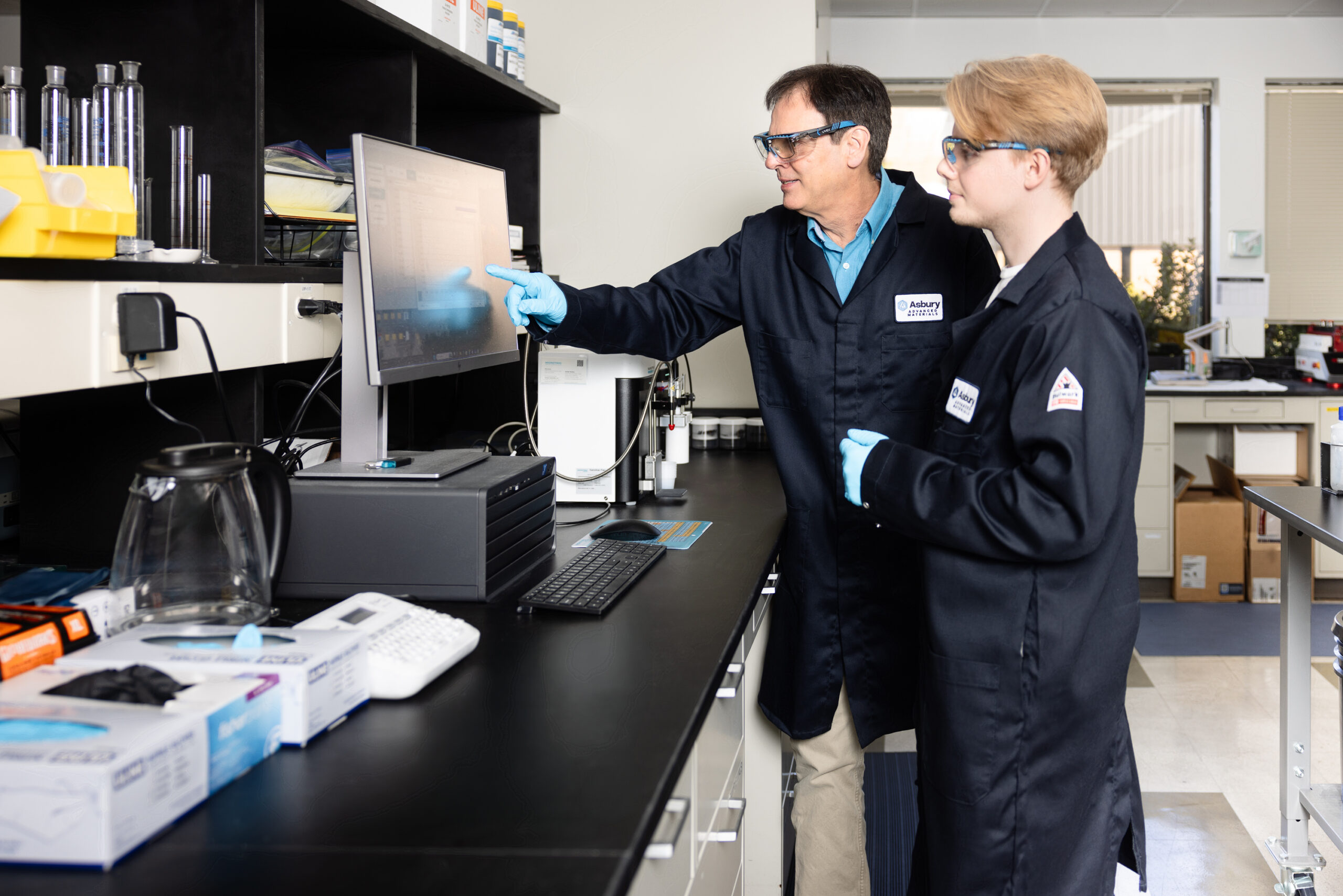
Deep experience across carbon, graphite, and specialty materials—supporting complex, real-world applications.
Knowledgeable teams who understand material behavior, processing requirements, and application constraints.
Reliable materials processed to meet demanding specifications, batch after batch.
A diversified sourcing and distribution network designed to support customers wherever they operate.
Resources

Get Started
When Performance Matters, Material Selection Matters.
Trust the materials experts to supply the right graphite, carbon materials, cokes & coals, coatings, and advanced solutions for your application.