Graphene
Experienced graphene material suppliers providing graphene solutions engineered for real-world processing and scalable performance.

Plastic additives play a critical role in improving the performance, processability, and durability of polymer systems. Carbon- and graphite-based additives can help address challenges related to conductivity, wear, thermal management, dimensional stability, flame retardancy, and mechanical reinforcement across a broad range of plastic and engineered resin applications.
Asbury Advanced Materials provides a diverse portfolio of graphite, carbon, graphene, and advanced nanocarbon materials designed to enhance polymer formulations and support demanding performance requirements. From thermoplastics to high-performance engineered polymers, our materials help optimize formulations for both processing and end-use performance.
At Asbury Advanced Materials, we work closely with compounders, formulators, and manufacturers to deliver carbon and graphite solutions tailored to specific plastic additive applications.
From raw material selection and particle engineering to dispersion support and material customization, our solutions are designed to meet the performance, and processing demands of modern polymer systems. Whether improving conductivity, enhancing wear resistance, supporting flame retardancy, or enabling next-generation composite performance, our materials are engineered to perform where it matters most.
Properties
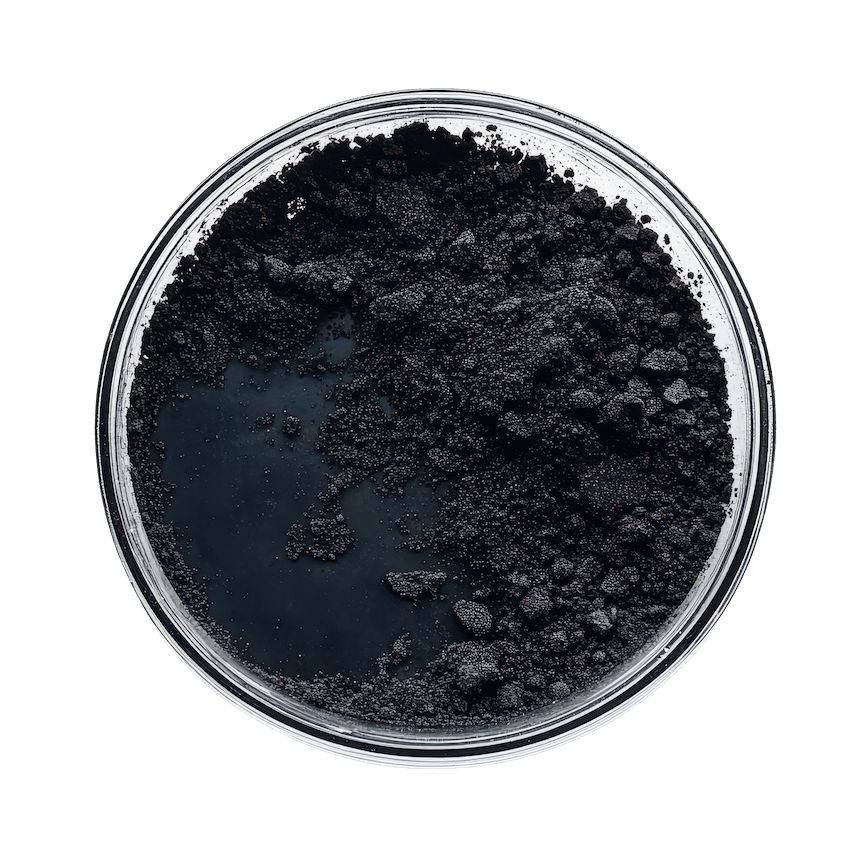
Carbon and graphite materials contribute a unique combination of properties that make them valuable additives in polymer systems.
Technical Considerations
Different materials may be optimized differently for thermoplastics, thermosets, and expandable systems. Particle size, morphology, purity, and surface functionality can all influence how carbon materials perform across these systems. Selecting the right material often depends on balancing formulation compatibility, processing requirements, and end-use performance goals.

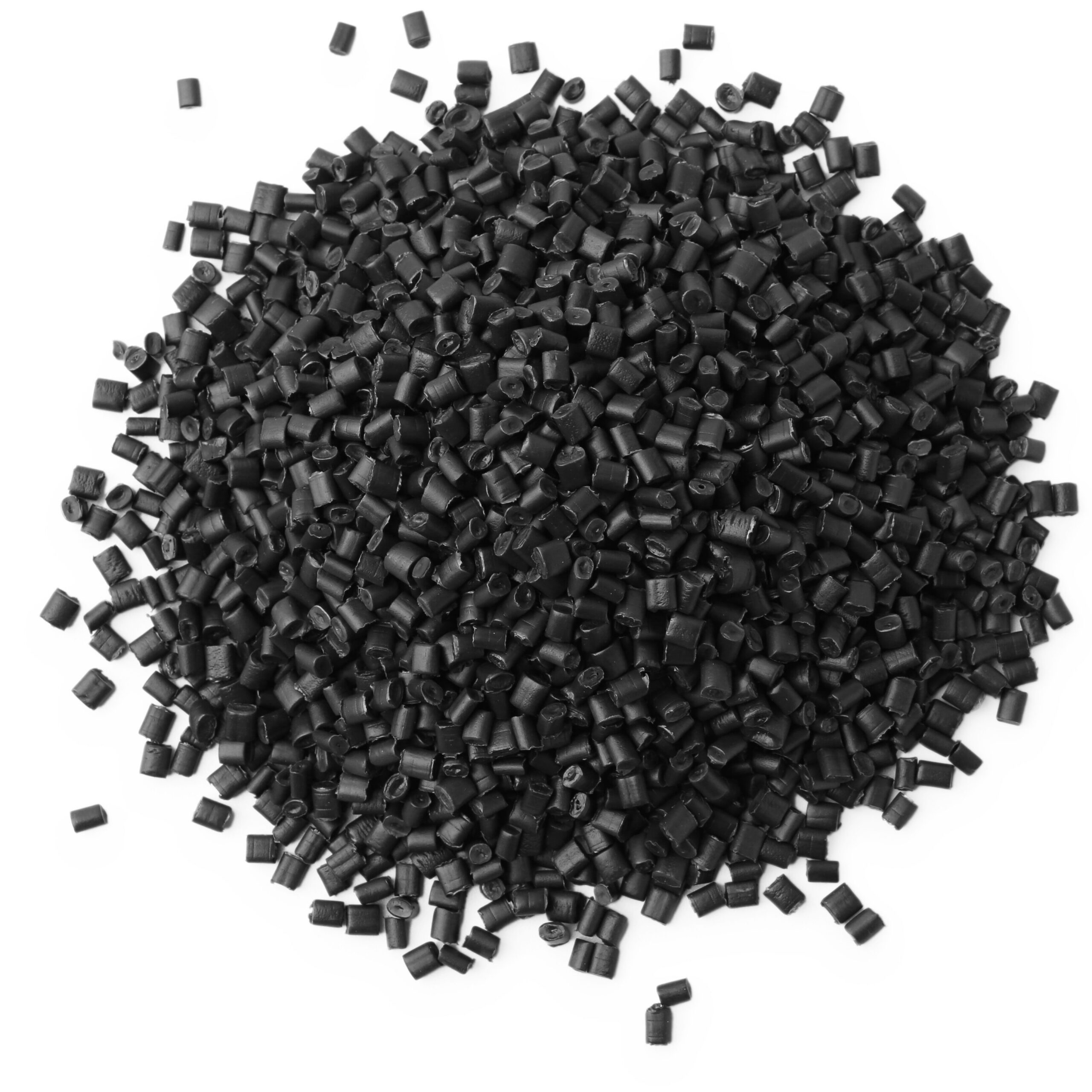
In thermoplastics, carbon additives are often used to improve conductivity, wear resistance, thermal management, and reinforcement while maintaining processability. Key considerations include filler dispersion, loading levels, melt flow behavior, and achieving mechanical property improvements without negatively impacting molding or extrusion performance.
Asbury’s masterbatching of graphene-based technology is designed to help manufacturers integrate advanced carbon materials into thermoplastic systems more effectively. Rather than requiring customers to handle dry graphene or carbon powders directly, masterbatch solutions provide a more controlled, process-ready format that can improve dispersion, simplify handling, and support more consistent performance in production environments.
As one of the only U.S.-based suppliers with EPA approval for production-level quantities of graphene, Asbury is positioned as a trusted global partner for graphene masterbatch development and supply. Our GARMOR™ product line is engineered to deliver measurable value by enhancing material performance, lowering overall production costs, and improving manufacturing efficiency.
By improving mechanical strength, supporting resin reduction opportunities, and helping accelerate cycle times, GARMOR™ graphene masterbatch solutions can empower manufacturers to produce high-quality thermoplastic components with greater reliability and cost-effectiveness. Asbury’s technical team works closely with customers to optimize additive concentrations, carrier systems, and performance targets based on the specific resin, process, and application requirements.

In thermoset systems, carbon and graphite additives are often selected to enhance mechanical strength, thermal conductivity, electrical performance, and long-term durability. Because thermosets cure into a crosslinked, permanent network, additive selection must consider not only final performance, but also how the material interacts with the resin system during mixing, processing, and cure.
For composite applications, advanced carbon materials such as carbon black, graphene, and graphene can help improve stiffness, strength, wear resistance, and dimensional stability. These materials may reinforce the polymer matrix, support load transfer, and help reduce cracking, deformation, or performance loss under mechanical stress. In high-performance composites, additive morphology, particle size, and dispersion quality are especially important to achieving mechanical benefits without negatively affecting viscosity, cure behavior, or part integrity.
Thermal performance is another key consideration. Carbon materials can improve heat transfer, thermal conductivity, and temperature stability in thermoset composites, helping manage heat in demanding environments. This can be valuable in applications where the material must maintain performance under elevated temperatures, thermal cycling, or continuous exposure to heat. Thermoset materials may also require enhanced electrical or EMI shielding performance, particularly in electronics and aerospace applications.
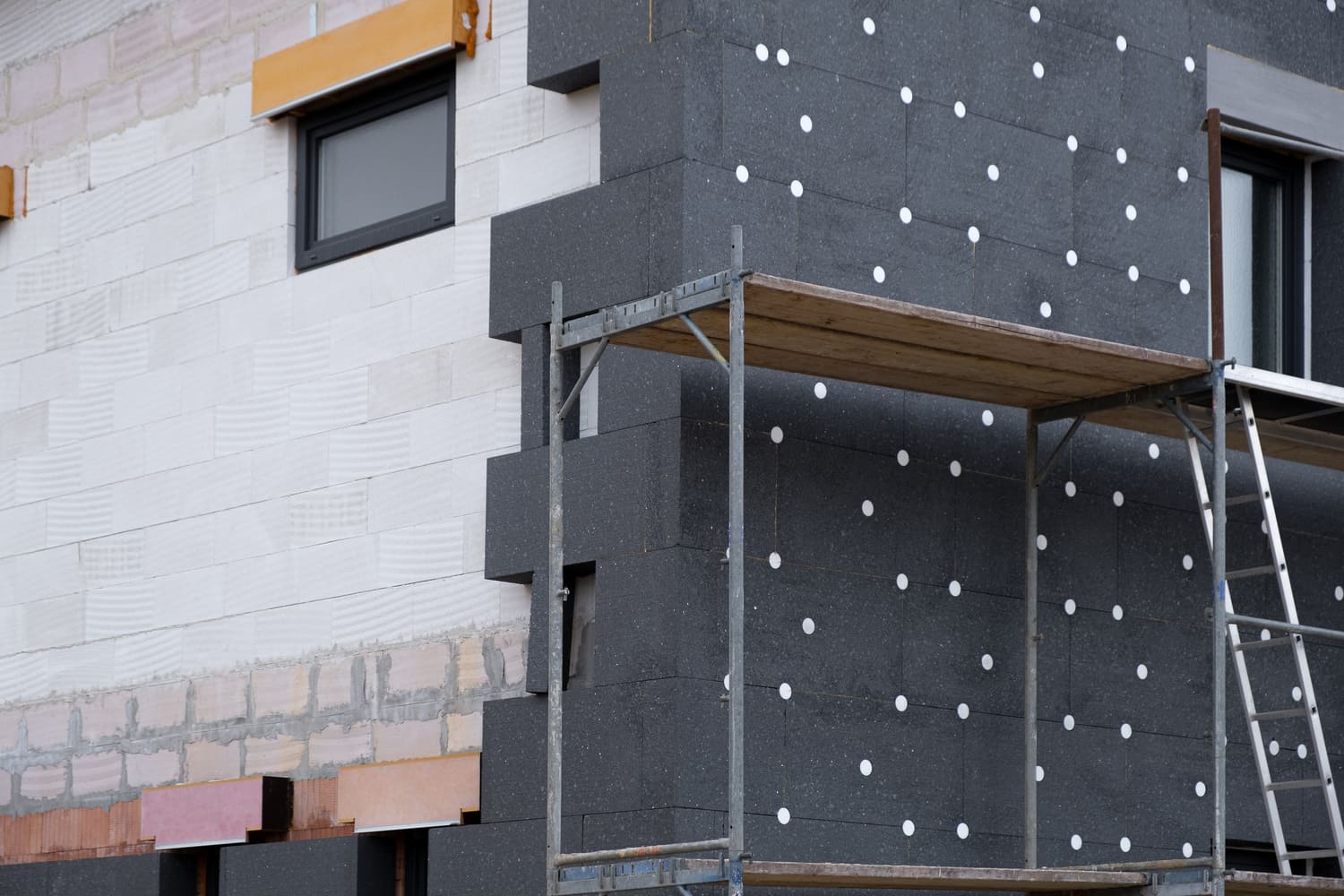
In expandable systems such as EPS and insulation foams, carbon materials are used to support thermal performance, flame retardancy, conductivity, or cell structure control. Important considerations include lightweight loading requirements, dispersion within foam systems, and maintaining processing performance while improving R-value insulation or fire protection properties.
recommended Materials
Asbury supplies a wide range of graphite materials, each offering distinct performance characteristics suited to each application.
Asbury’s capabilities go beyond supplying materials.
Let us help you find your unique solution.
WHY ASBURY
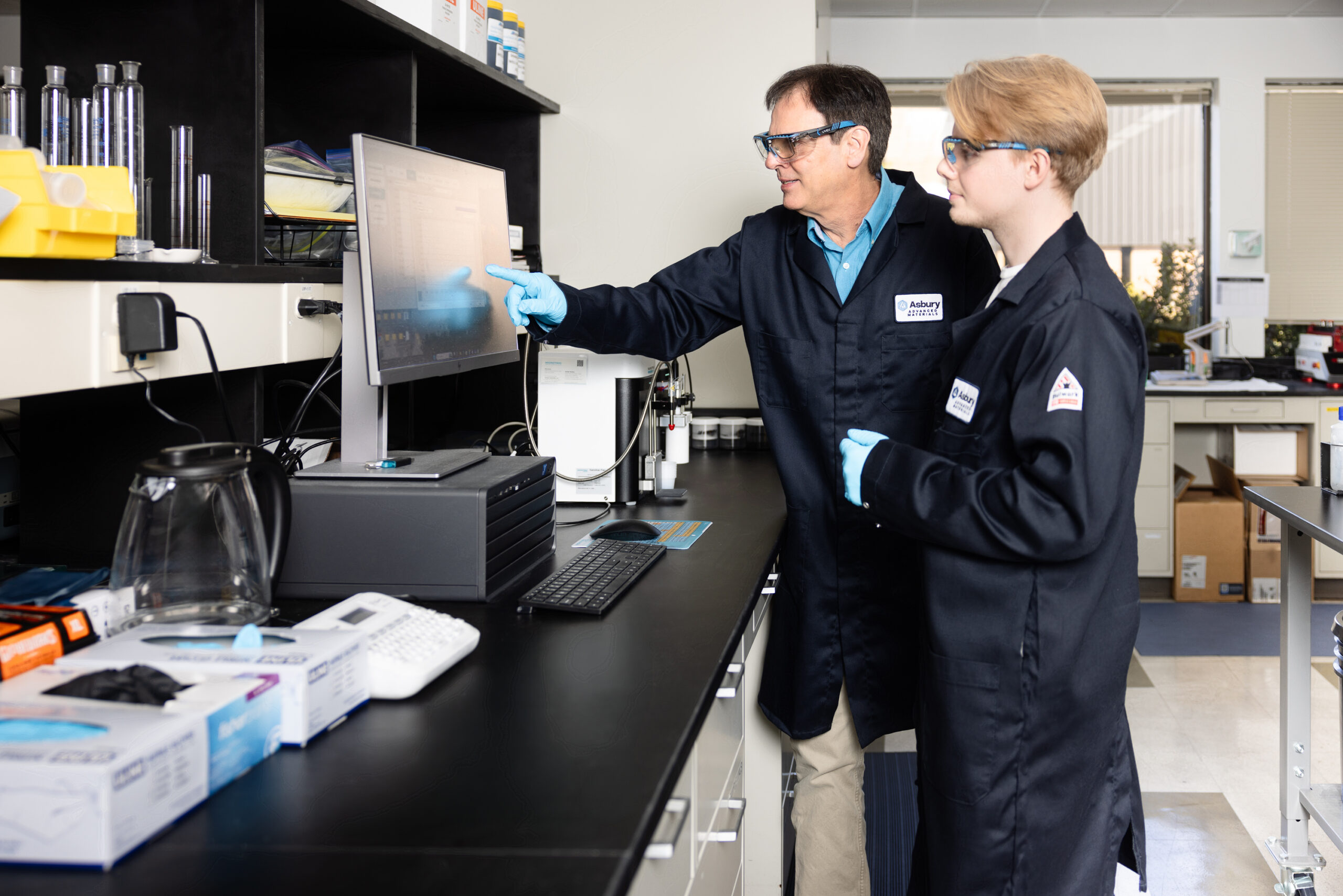
At Asbury Advanced Materials, we work closely with compounders, formulators, and manufacturers to deliver carbon and graphite solutions tailored to specific plastic additive applications.
Carbon and graphite solutions tailored to specific plastic additive requirements, from conductivity and wear resistance to flame retardancy and composite performance.
Materials designed around the particle size, structure, and performance characteristics needed for modern polymer systems.
Technical guidance to help improve material integration, dispersion, and processing consistency across plastic and polymer applications.
Solutions engineered to meet demanding application requirements and support reliable performance in real-world manufacturing environments.
Other Industries

Get Started
When Performance Matters, Material Selection Matters.
Trust the materials experts to supply the right graphite, carbon materials, cokes & coals, coatings, and advanced solutions for your application.