Graphite 101: Introduction
Explore the fundamentals of graphite, including its structure, properties, natural and synthetic forms, and the critical role it plays in industrial materials, products, and processes.
Read More

Vein graphite, also known as crystalline vein graphite, plumbago, Sri Lankan graphite, or Ceylon graphite, is the highest purity form of natural graphite. Unlike flake or amorphous graphite, vein graphite forms through direct precipitation of solid carbon from high-temperature geologic fluids, resulting in exceptional crystalline perfection, high conductivity, and superior cohesive strength.
Vein graphite is a true vein mineral, meaning it occurs in fissures and fractures that cut through host rock rather than being disseminated (flake graphite) or formed in seams (amorphous graphite). It is deposited directly from carbon-rich hydrothermal or pegmatitic fluids that migrate through fractured rock under high temperature and pressure conditions. Vein graphite also has the highest degree of cohesive integrity of all natural graphite materials, making it easy to mold and form into solid shapes without the aid of a binder addition.
Although vein graphite occurrences are known in regions such as Great Britain and the United States, Sri Lanka is the only country currently producing vein graphite in commercial quantities. Commercial mining of Sri Lankan vein graphite dates to the early 1800s.
Properties
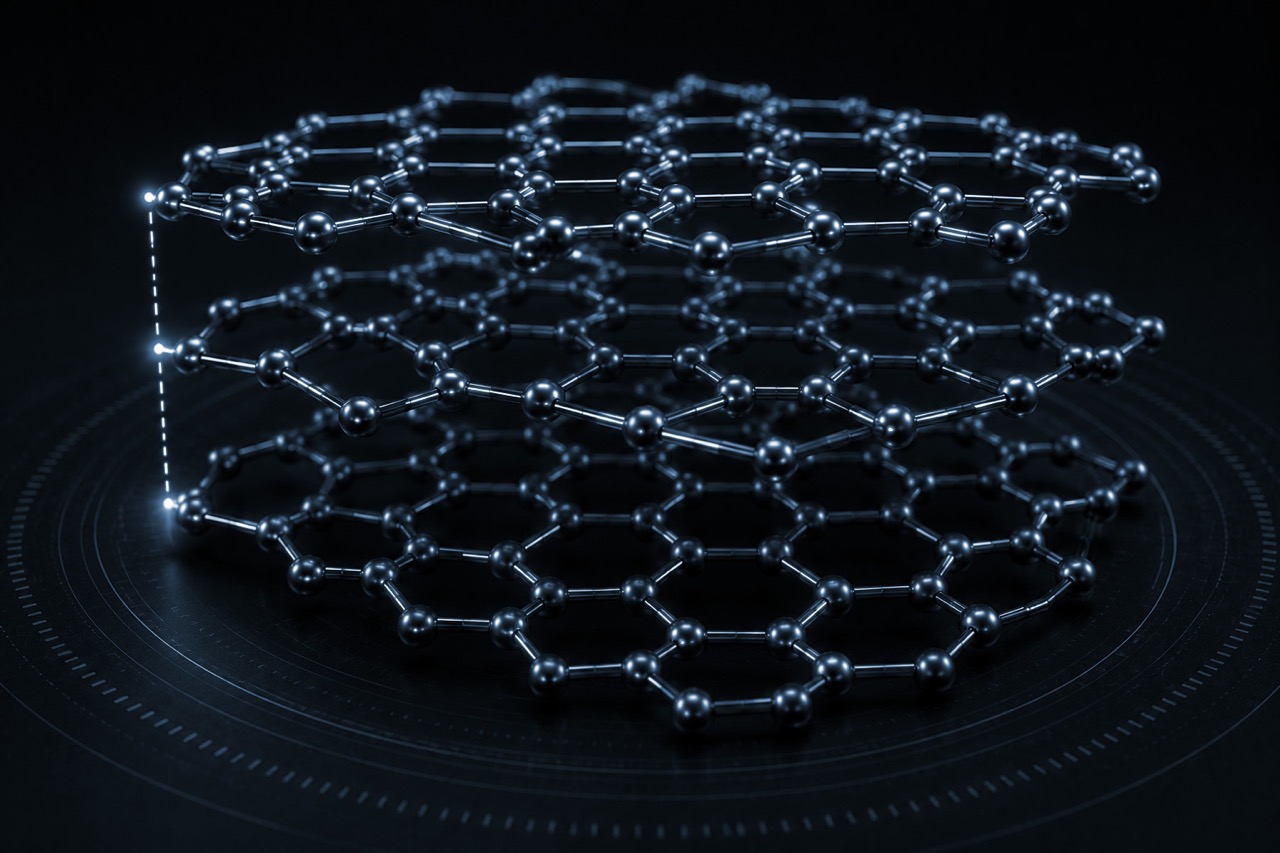
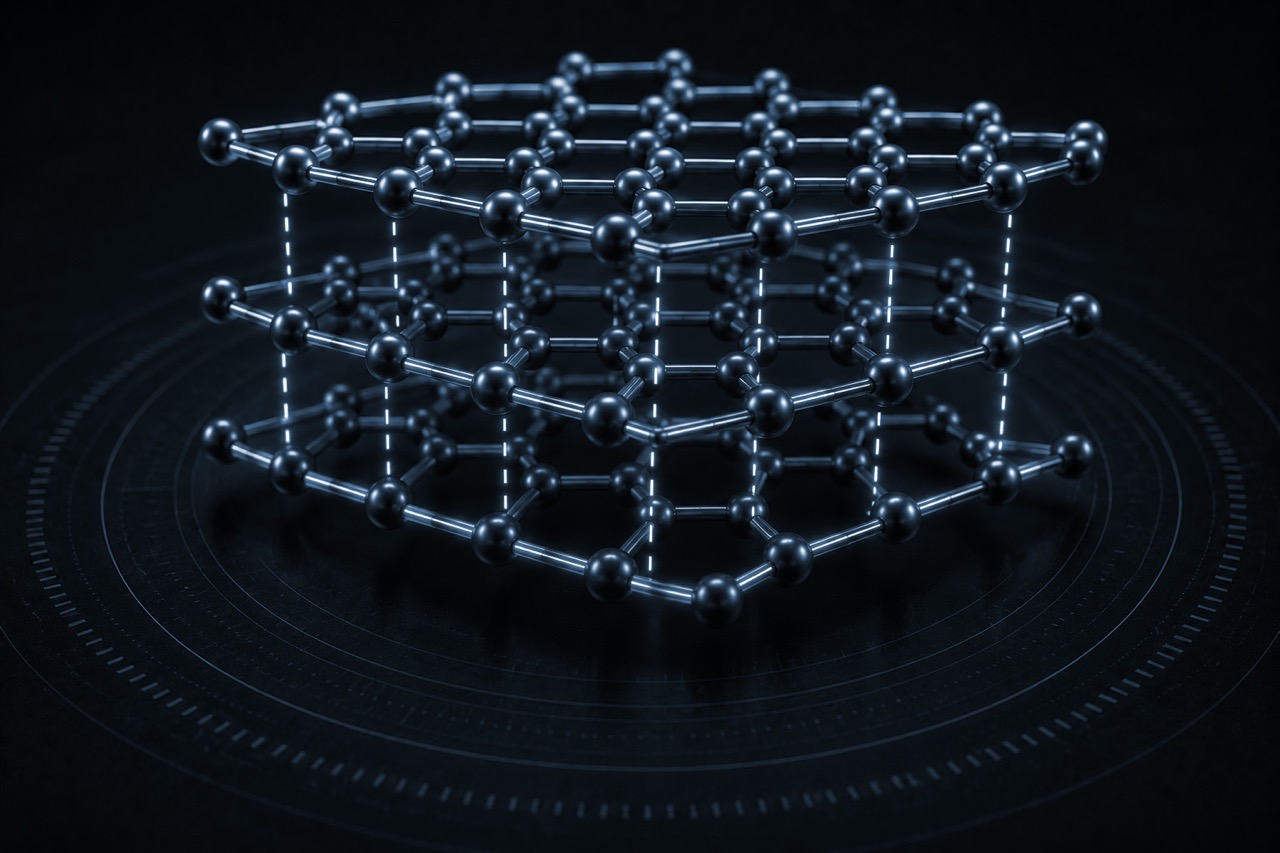
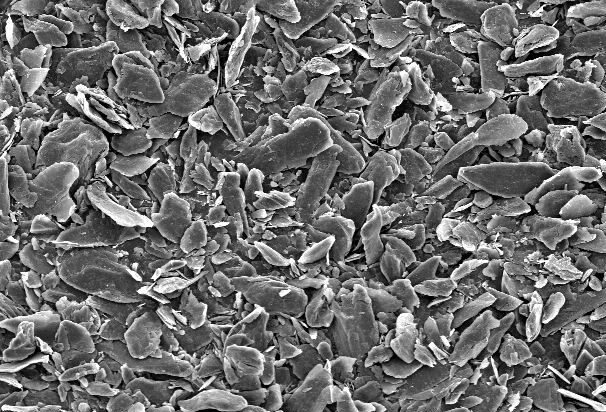
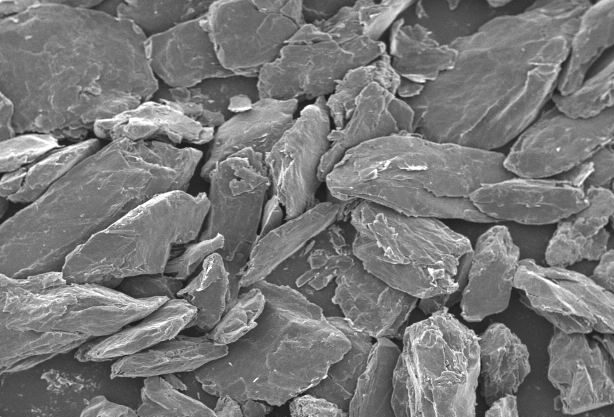
Vein graphite is widely regarded as the most crystalline and structurally ordered natural graphite.
Applications
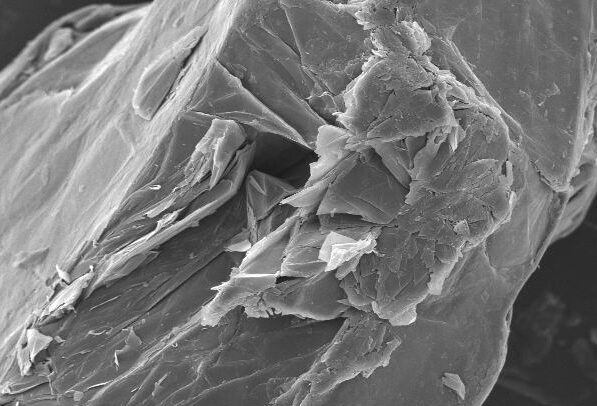
Due to its high purity and crystalline perfection, vein graphite is selected for applications requiring conductivity, thermal performance, and high cohesive integrity.
Used as a high-purity carbon additive for controlled sintering and consistent carbon contribution. Its crystalline structure supports improved strength, machinability, and dimensional stability in iron and alloy components.

Enhances electrical conductivity, lubricity, and surface durability of conductive coatings and specialty paints. Its low impurity profile makes it ideal for high-performance surface treatments.
Incorporated into carbon brushes where structural integrity, high conductivity, and wear resistance are critical.
Used as a solid lubricant to provide reliable friction reduction and high-temperature stability in industrial lubricant and grease formulations.
Used in refractory systems requiring high purity, consistent carbon content, and resistance to thermal shock and oxidation.
How It Works
Vein graphite forms through fluid-phase carbon deposition. Carbon is mobilized in high-temperature fluids, often associated with pegmatitic or hydrothermal activity, and transported through fractures in host rock. Under favorable equilibrium conditions, solid graphitic carbon precipitates directly from the fluid, filling veins and fissures.
This process differs fundamentally from:
Because deposition occurs from a fluid phase rather than contemporaneously with host minerals, vein graphite is typically far purer than other natural graphite types. Vein graphite is mined using conventional shaft or surface methods typically used to mine vein-type deposits.
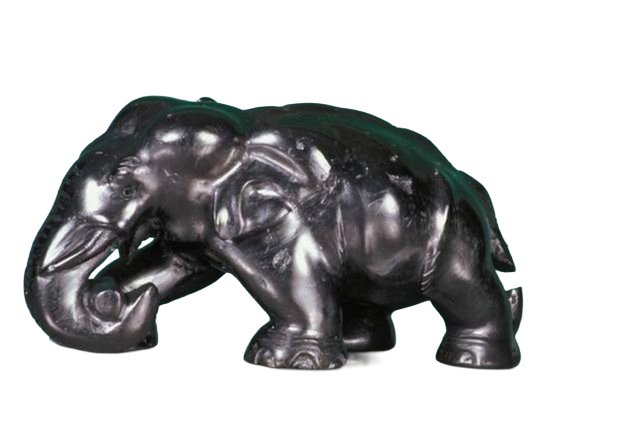
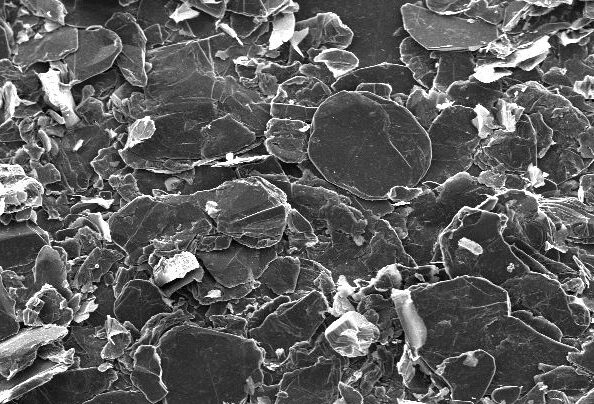
Macroscopically, vein graphite exhibits a needle-like (acicular) structure aligned perpendicular to vein walls, reflecting its pyrolytic deposition process. Microscopically, when milled to smaller particle sizes, the material converges toward intrinsic flake morphology.
Typical veins range from centimeters to nearly two meters in thickness, with the highest purity material located toward the center of the vein.
Vein graphite commonly exceeds 90% carbon, with premium grades reaching up to 99% graphitic carbon without additional purification. Its high crystalline perfection contributes to:
Commercial products are available in sizes ranging from centimeter-scale lumps to powders as fine as 5 micron.
WHY ASBURY
Asbury Advanced Materials offers high-purity vein graphite grades engineered for conductive, thermal, and molded carbon applications, available in multiple particle sizes and purity levels to meet precise industrial requirements.
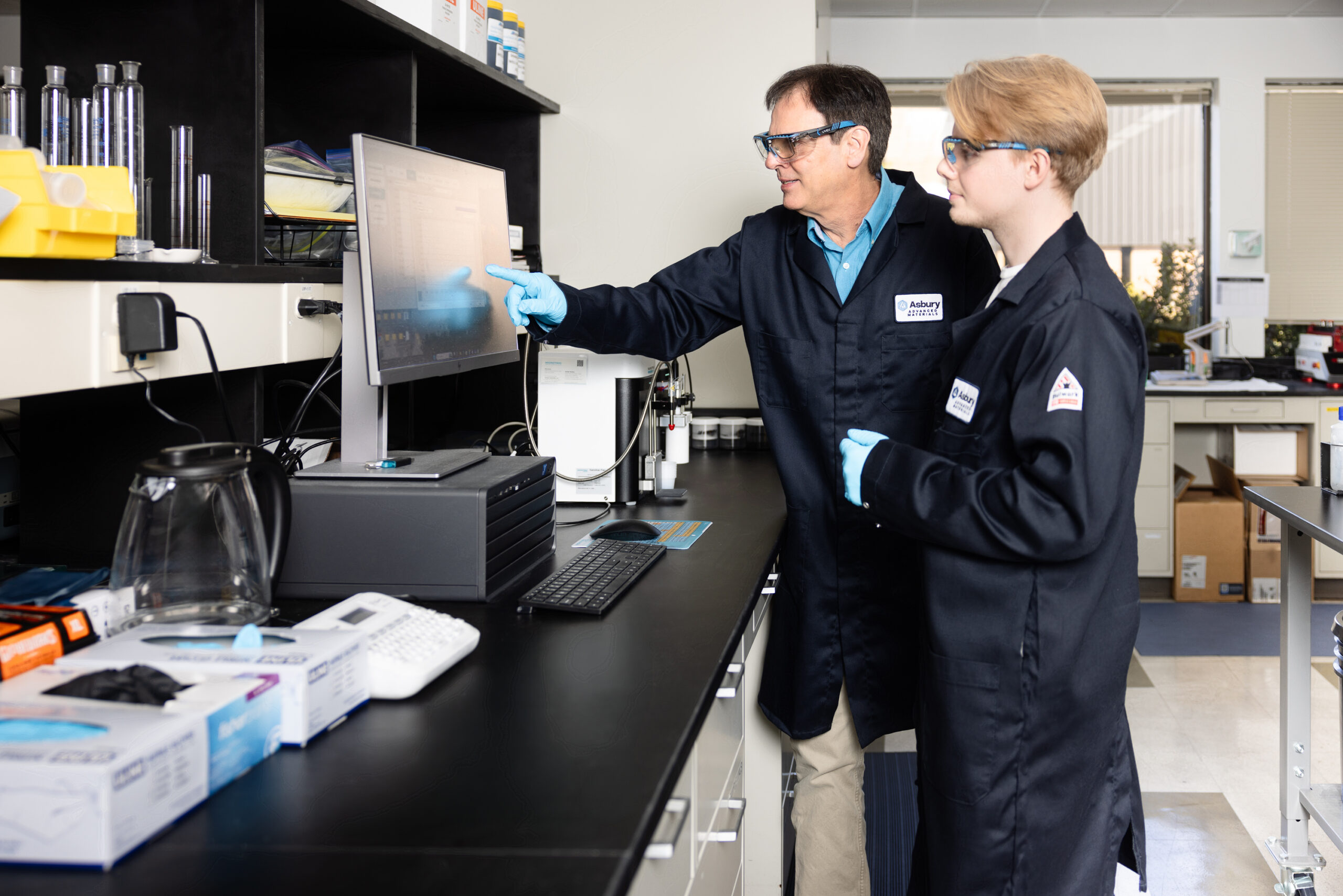
Deep experience across carbon, graphite, and specialty materials—supporting complex, real-world applications.
Knowledgeable teams who understand material behavior, processing requirements, and application constraints.
Reliable materials processed to meet demanding specifications, batch after batch.
A diversified sourcing and distribution network designed to support customers wherever they operate.
Resources

Get Started
When Performance Matters, Material Selection Matters.
Trust the materials experts to supply the right graphite, carbon materials, cokes & coals, coatings, and advanced solutions for your application.