About Natural Flake Graphite
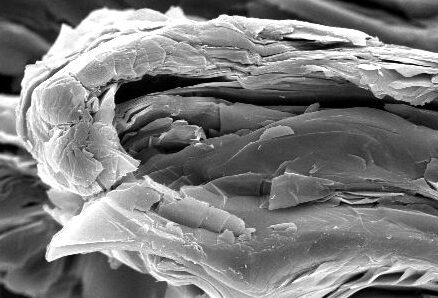
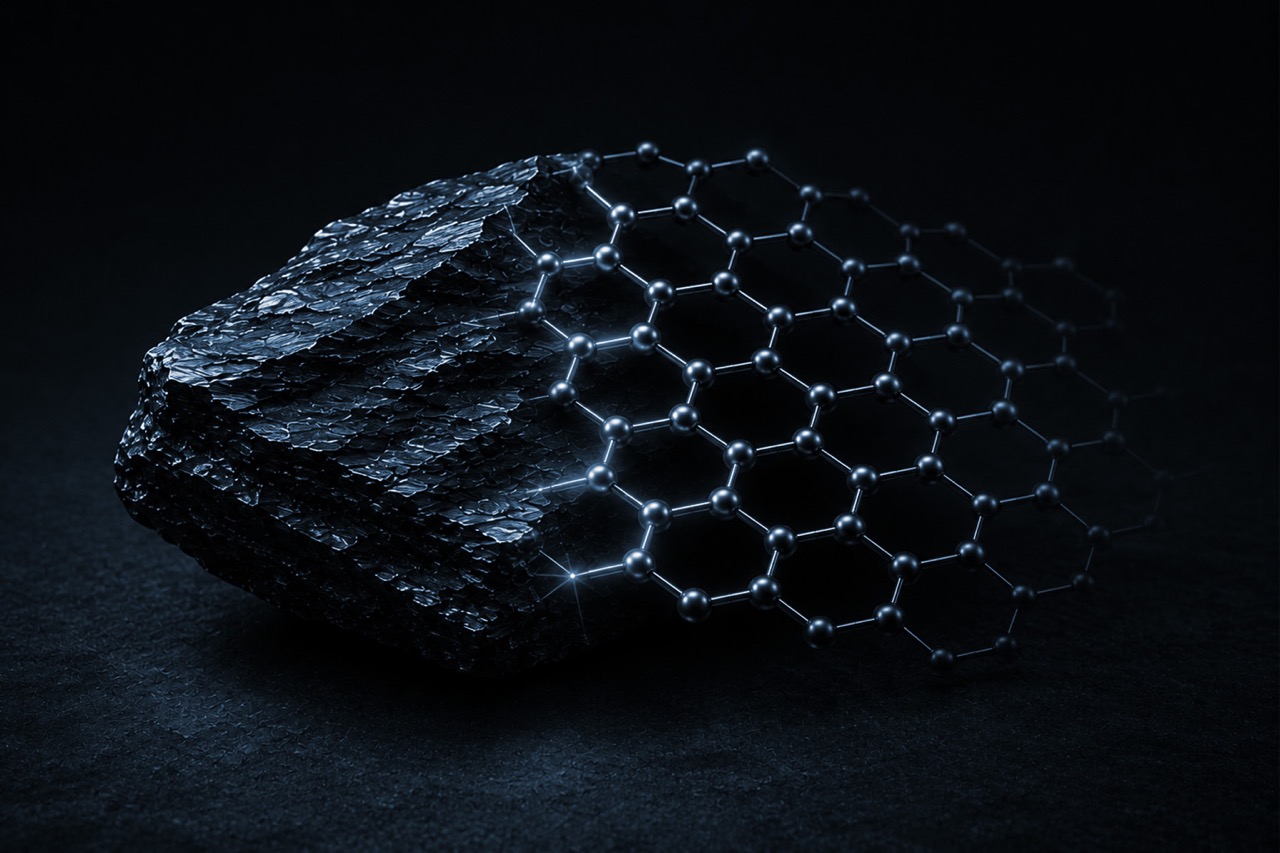
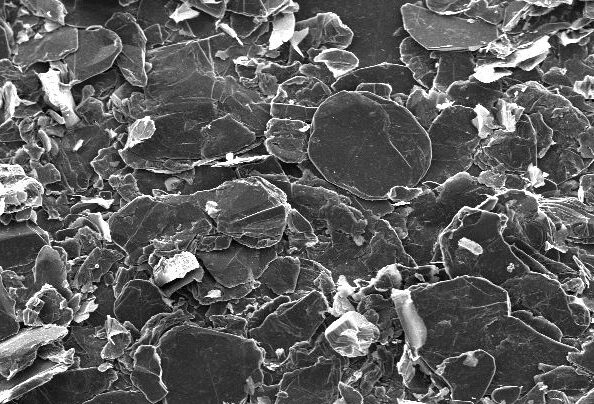
An overview of flake graphite, including its familiar uses, natural formation, platy structure, mining and processing methods, purity considerations, and commercial size grades.
Read More

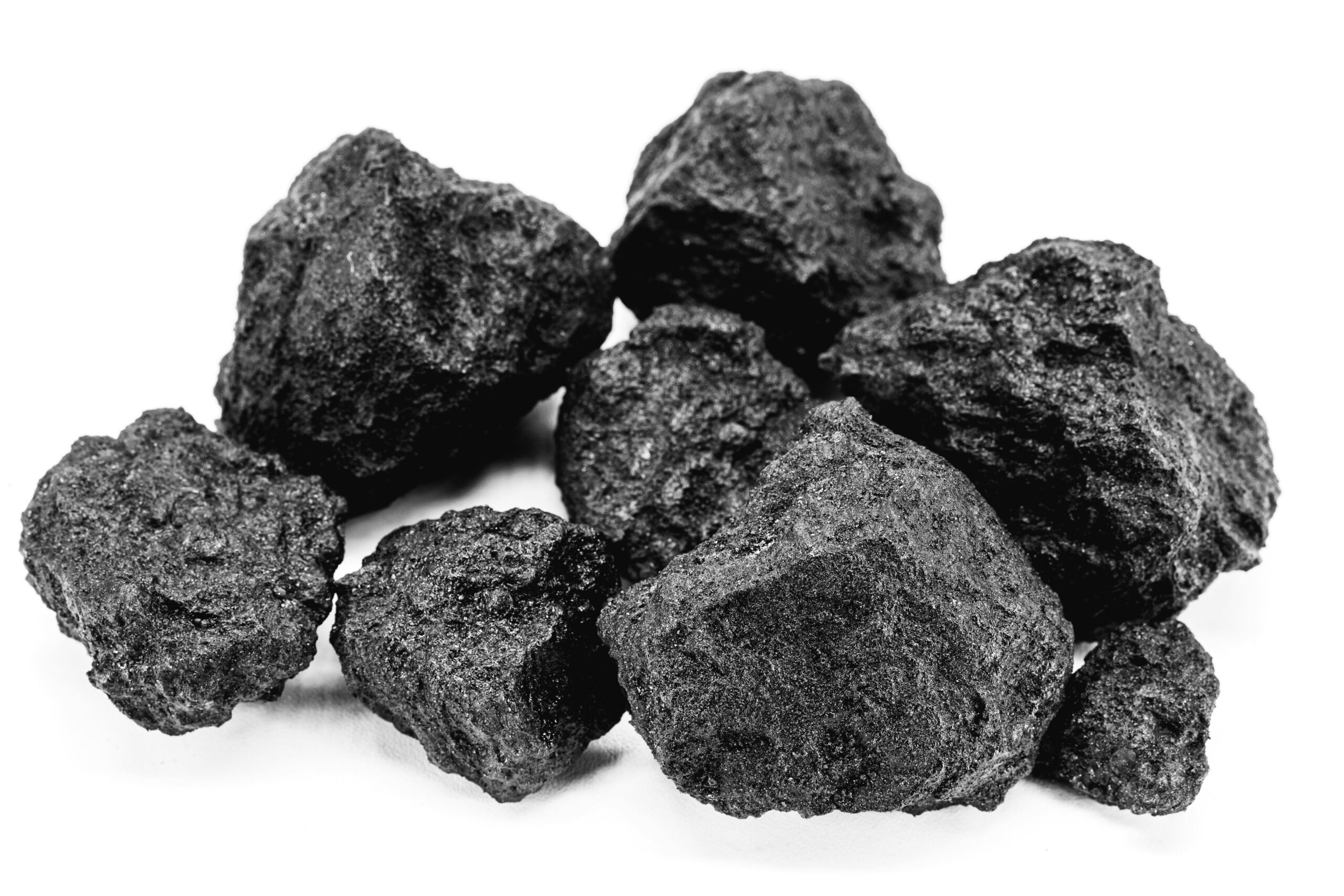
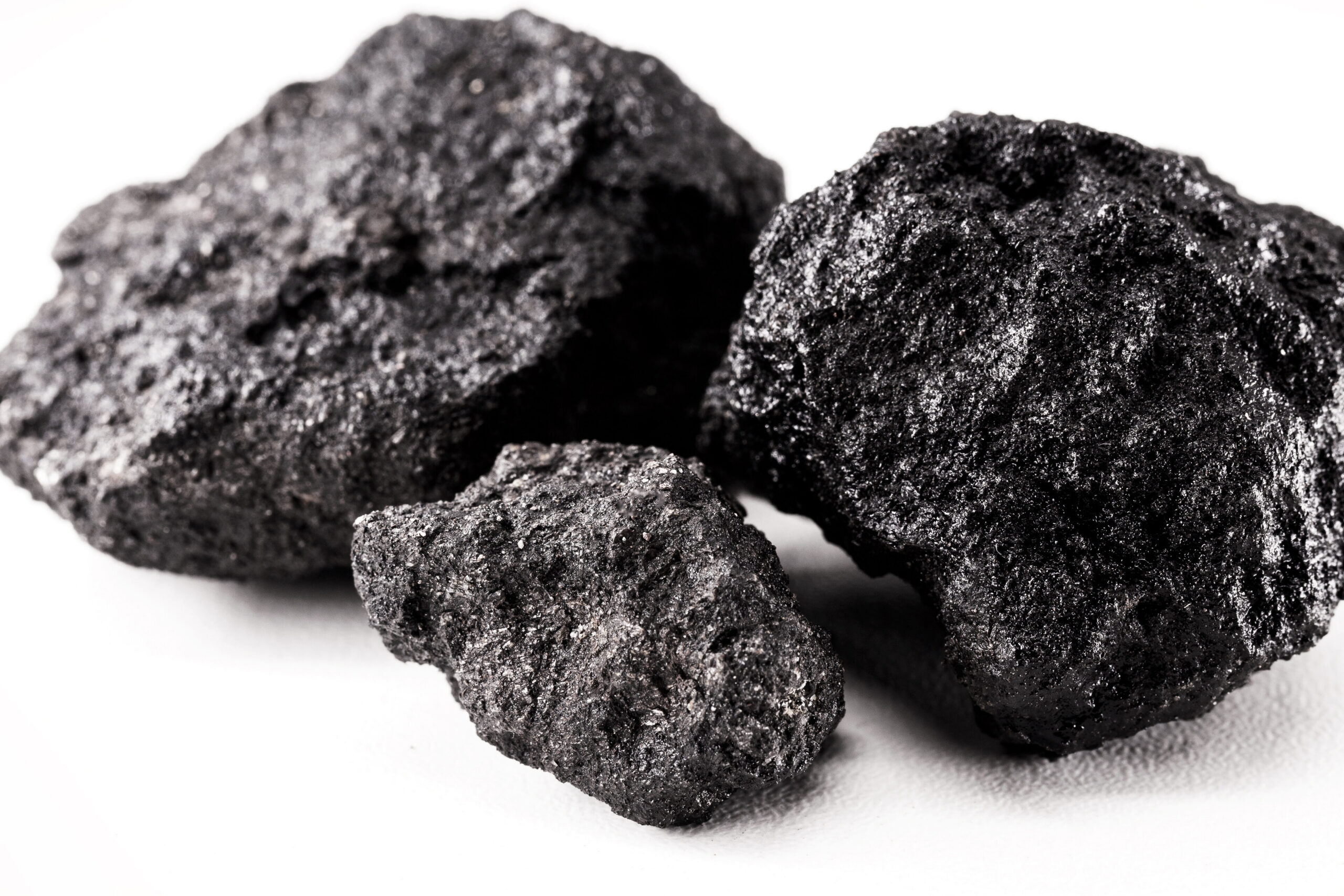
Calcined Petroleum Coke (CPC) is a high-purity carbon material produced through the controlled carbonization and calcining of petroleum refinery by-products. The result is a dense, thermally stable, non-graphitic carbon with high fixed carbon content and consistent performance across foundry, drilling, cathodic protection, and industrial applications.
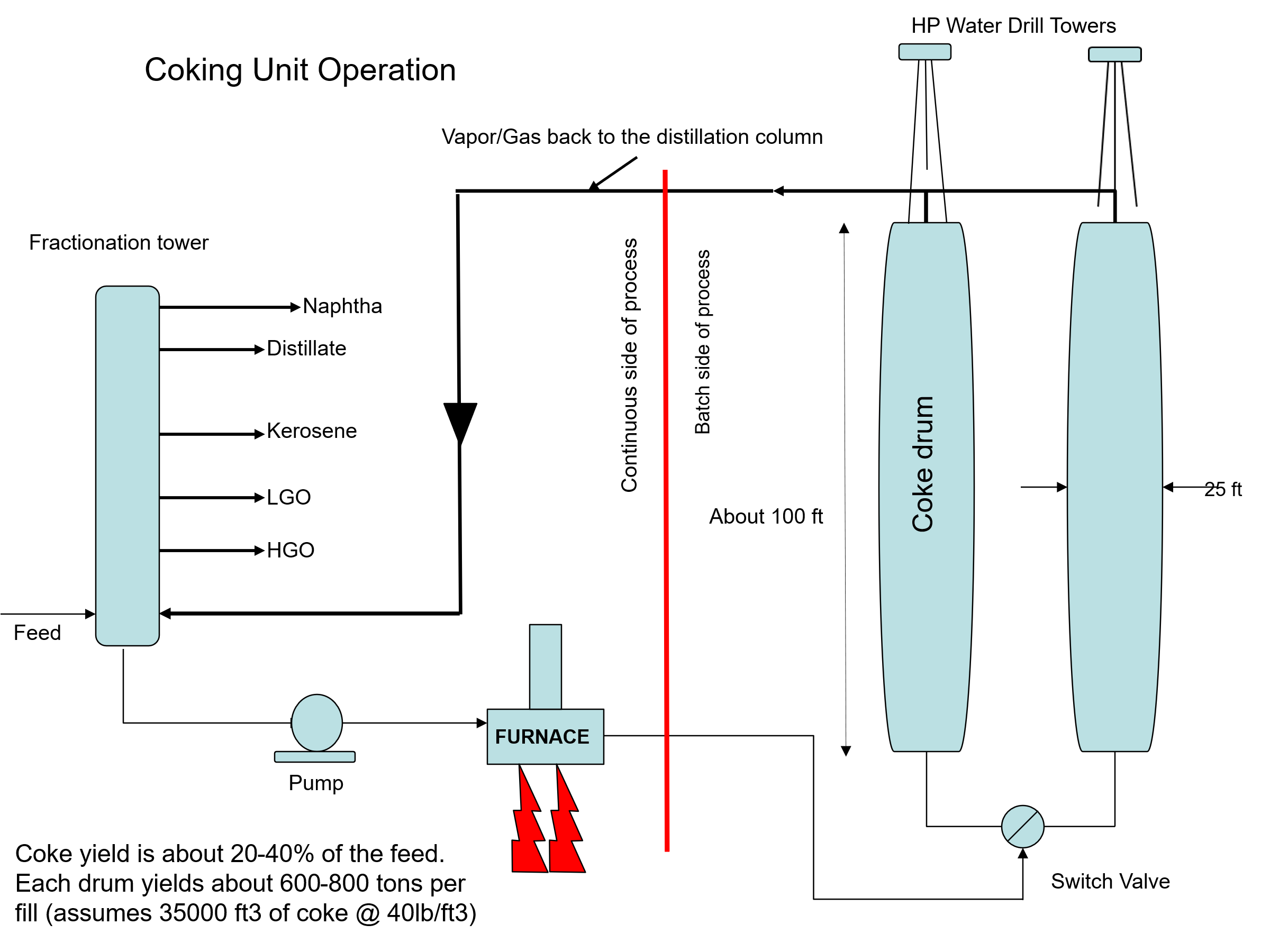
Petroleum coke begins as a complex hydrocarbon refinery by-product composed of high molecular weight hydrocarbon species. Through delayed coking and subsequent calcining, this hydrocarbon material is transformed into a nearly pure carbon structure.
All petroleum coke originates from a hydrocarbon parent material. During processing:
Petroleum coke fresh from the coke drum is called green coke. Although highly carbonized compared to its refinery feedstock, green coke still contains residual hydrocarbon character, primarily hydrogen, oxygen, and minor sulfur and nitrogen atoms attached to the carbon skeleton. Calcining removes this remaining organic character and produces a material that is almost entirely carbon.
Properties
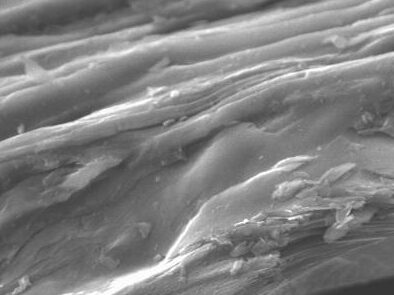
Calcined Petroleum Coke offers consistent composition and high-carbon performance characteristics.
Applications
CPC is used in applications requiring high carbon content, thermal stability, electrical conductivity, and controlled reactivity.
Used in casting and metallurgical systems where high-carbon additions improve metal chemistry and process control.

Used in lost circulation materials (LCM) to minimize seepage and fracture losses during drilling operations. Available in multiple particle sizes for seepage control, fracture bridging, and lubrication.
Used as coke breeze backfill in corrosion prevention systems for pipelines and infrastructure.
Provides a reliable carbon source for custom-engineered industrial formulations.
How It Works
Petroleum coke production is fundamentally a carbonization process.
During calcining (1300–1400°C):
Post-calcined coke retains essentially no hydrocarbon or organic character. Except for minor sulfur and nitrogen bonded within the carbon structure, the product is a highly stable carbon material. Calcining represents one of the most significant industrial applications of large-scale carbonization technology.
WHY ASBURY
Asbury Advanced Materials is a global supplier of high-quality Calcined Petroleum Coke products, providing standard and specialty grades, custom blends, and technical expertise to support foundry, oilfield, cathodic protection, polymer, and industrial applications.
Production facilities and strategically located warehouses support just-in-time delivery worldwide. CPC products are available in multiple packaging formats, including small bags and super sacks, to meet project logistics requirements.
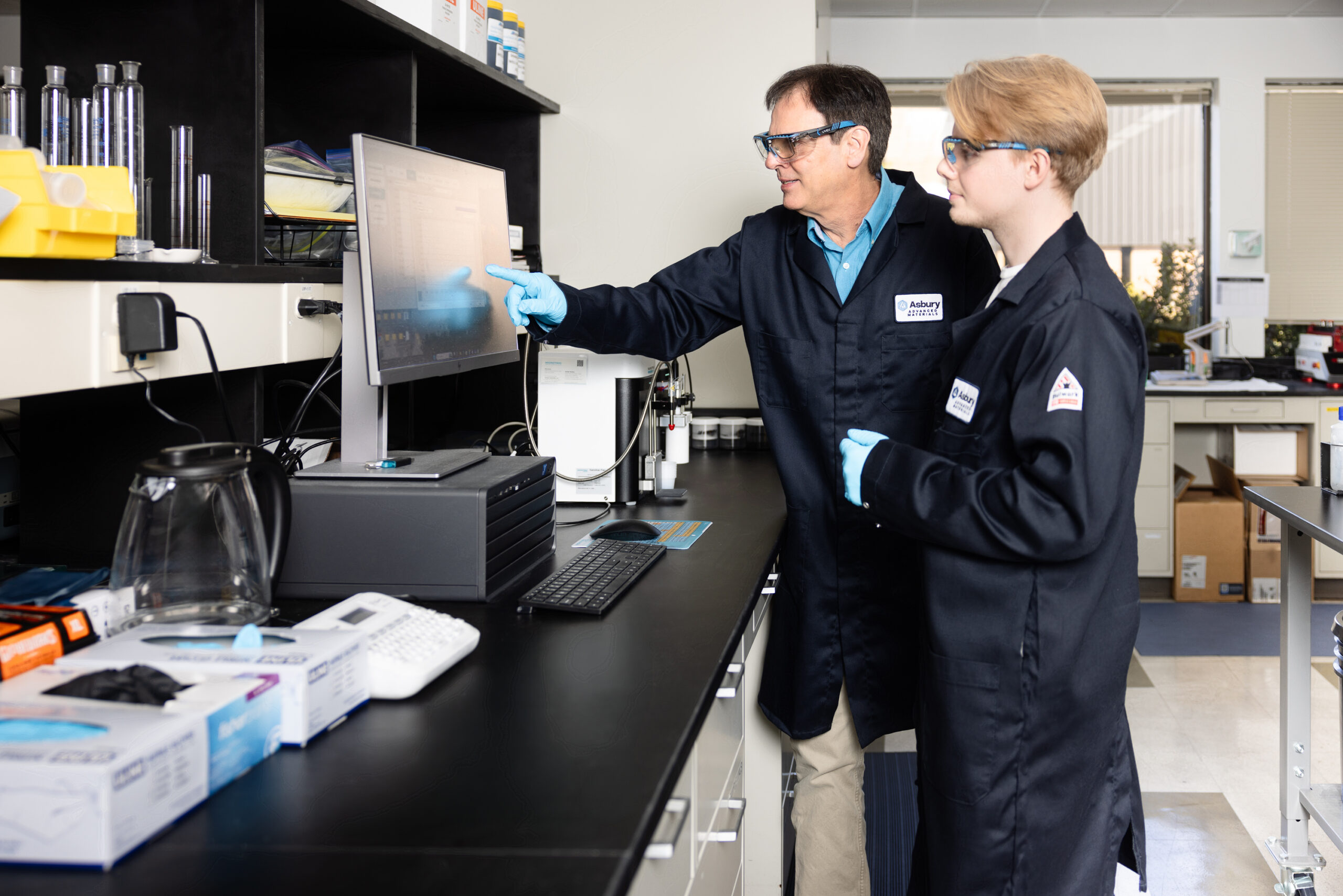
Deep experience across carbon, graphite, and specialty materials—supporting complex, real-world applications.
Knowledgeable teams who understand material behavior, processing requirements, and application constraints.
Reliable materials processed to meet demanding specifications, batch after batch.
A diversified sourcing and distribution network designed to support customers wherever they operate.
Resources

Get Started
When Performance Matters, Material Selection Matters.
Trust the materials experts to supply the right graphite, carbon materials, cokes & coals, coatings, and advanced solutions for your application.