Natural Flake Graphite
Natural flake graphite is the most geologically common variety of natural graphite, known for its distinctive platy (flake-like) morphology, excellent lubricity, and high thermal stability.

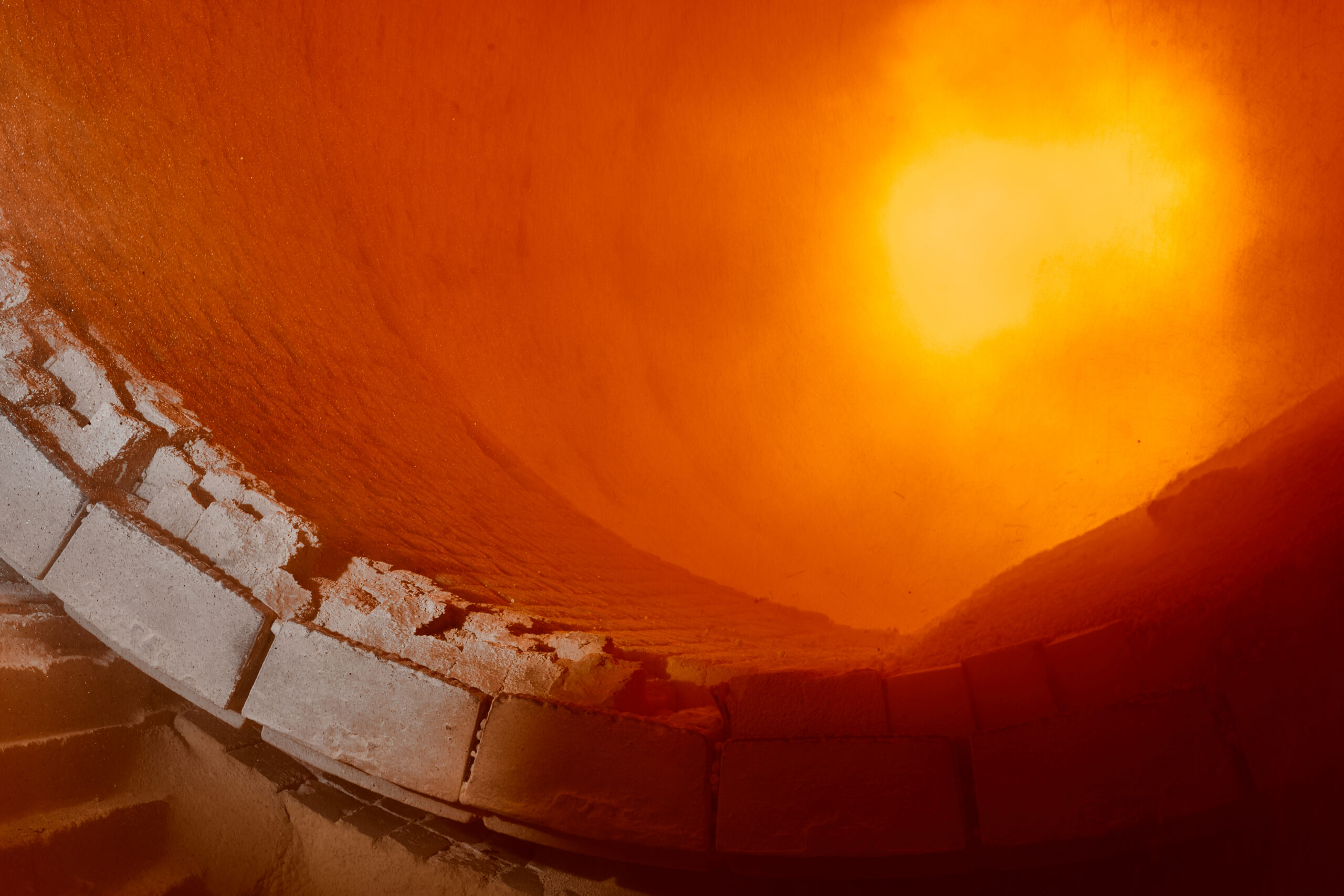
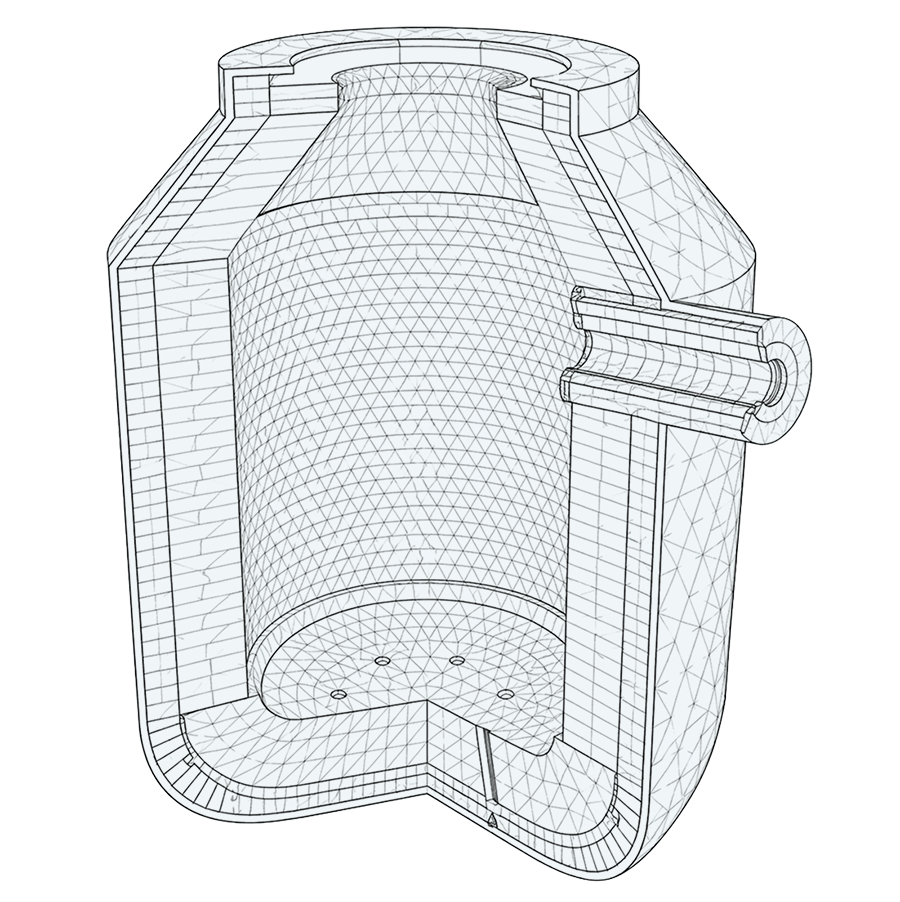
Refractory applications operate in some of the most demanding environments, where materials must withstand extreme temperatures, thermal cycling, and chemical attack while maintaining structural integrity. From furnaces and kilns to ladles and reactors, refractory performance is critical to process efficiency and equipment longevity.
Asbury Advanced Materials supplies engineered carbon and graphite solutions designed to enhance refractory systems. Our materials improve thermal stability, reduce oxidation, and support durability in high-temperature environments, helping extend service life and maintain consistent performance.
With expertise in particle size, purity, and advanced material development, Asbury supports refractory manufacturers in optimizing both formulation and performance.
Refractory systems must perform reliably under extreme conditions:
Use Cases
Carbon and graphite materials play a critical role in refractory performance:
Graphite enhances resistance to thermal shock, helping refractory systems withstand rapid heating and cooling cycles.
Carbon materials help reduce oxidation and extend the life of refractory components in high-temperature environments.
Graphite provides non-wetting behavior with molten metals, reducing material adhesion and improving process efficiency.
Carbon-based materials contribute to the strength and durability of refractory systems, improving resistance to wear and erosion.
recommended Materials
Asbury’s portfolio supports a wide range of refractory formulations and high-temperature processes:
Asbury’s capabilities go beyond supplying materials.
Let us help you find your unique solution.
WHY ASBURY
At Asbury Advanced Materials, we work closely with refractory manufacturers to develop materials that meet the demands of extreme environments.
Whether improving thermal shock resistance, extending service life, or enabling advanced refractory technologies, our carbon and graphite solutions are engineered to deliver reliable performance where it matters most.

Deep experience across carbon, graphite, and specialty materials—supporting complex, real-world applications.
Knowledgeable teams who understand material behavior, processing requirements, and application constraints.
Reliable materials processed to meet demanding specifications, batch after batch.
A diversified sourcing and distribution network designed to support customers wherever they operate.
industries

Get Started
When Performance Matters, Material Selection Matters.
Trust the materials experts to supply the right graphite, carbon materials, cokes & coals, coatings, and advanced solutions for your application.