Natural Amorphous Graphite
Microcrystalline graphite engineered for lubrication, coatings, and cost-effective industrial performance

Asbury Advanced Materials supports industrial applications with engineered carbon and graphite materials designed to perform under high heat, pressure, and wear. From manufacturing processes to high-temperature systems, our materials help improve efficiency, durability, and consistency.
Industrial environments demand materials that can maintain performance under continuous stress. Asbury’s portfolio of natural and synthetic graphite, along with advanced carbon materials, supports a wide range of applications across ceramics, powder metallurgy, refractory systems, and friction products.
Carbon and graphite materials are widely used in industrial applications due to their ability to perform in demanding environments:
These properties enable consistent performance across high-temperature and high-wear industrial processes.
Applications
Graphite and carbon materials are used in ceramic processing to improve thermal management, reduce sticking, and support consistent forming and firing operations. These materials help enhance mold release, improve surface quality, and maintain stability during high-temperature kiln and sintering processes.
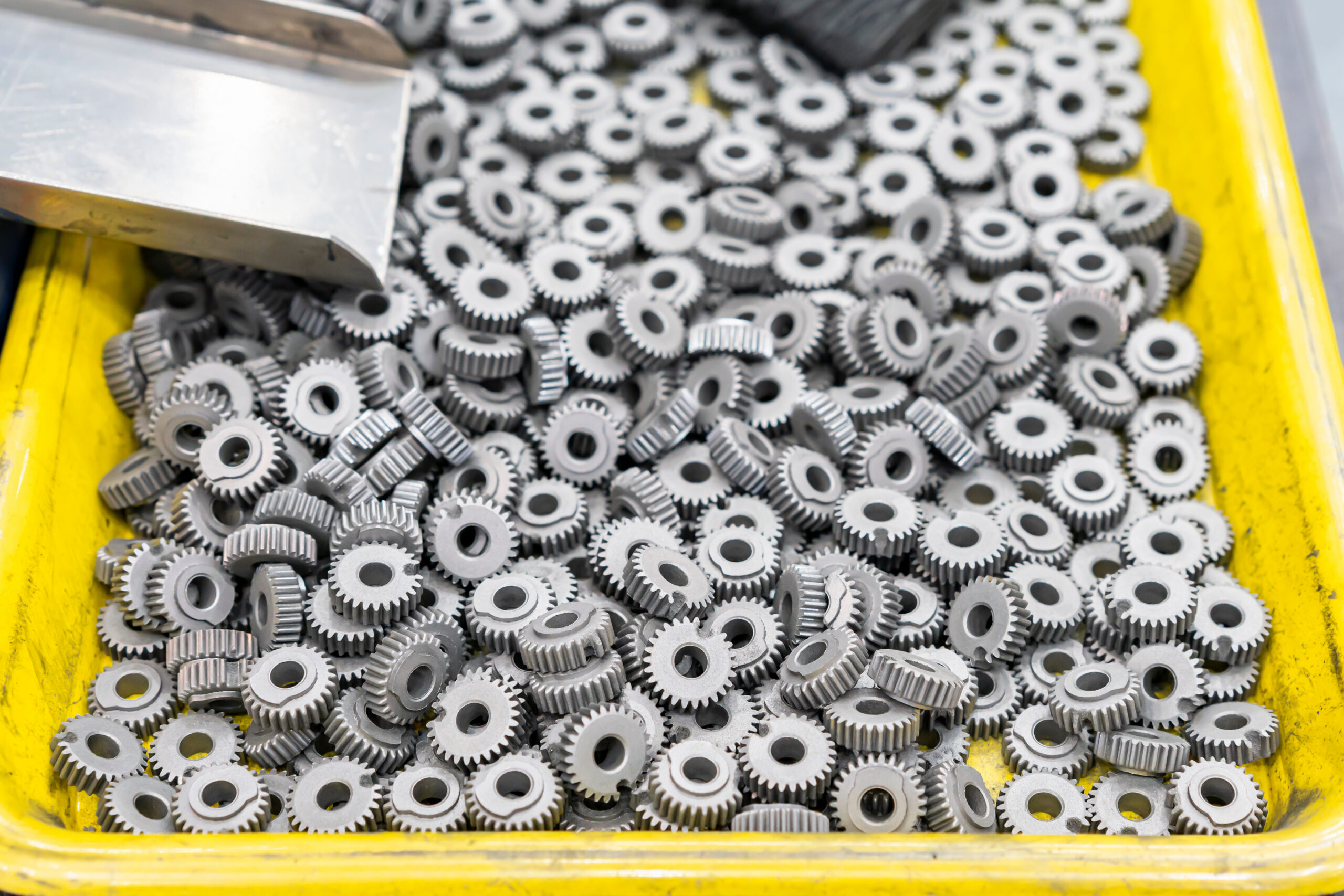
Metallurgy applications include non-ferrous systems such as brass and bronze. Graphite is used as a lubricant and processing aid in compaction and sintering, improving part density, reducing die wear, and supporting consistent part quality. Applications include metal injection molding, sintering tray coatings, and custom powder blends. Asbury offers a wide range of particle sizes, including micronized powders and advanced graphite nanoplatelets, tailored to specific powder metal requirements.
Carbon and graphite materials are used in refractory systems to improve thermal stability, reduce oxidation, and enhance resistance to molten metal and high-temperature environments. These materials support longer refractory life, improved insulation performance, and reliable operation in furnaces, kilns, and high-temperature processing systems.
Graphite is widely used in friction materials to help control friction behavior, reduce wear, and improve thermal stability. These materials support consistent friction performance across temperature ranges while contributing to longer component life in applications such as brake systems and industrial friction components.
recommended Materials
Asbury supplies a wide range of graphite materials, each offering distinct performance characteristics suited to each application.
Asbury’s capabilities go beyond supplying materials.
Let us help you find your unique solution.
WHY ASBURY
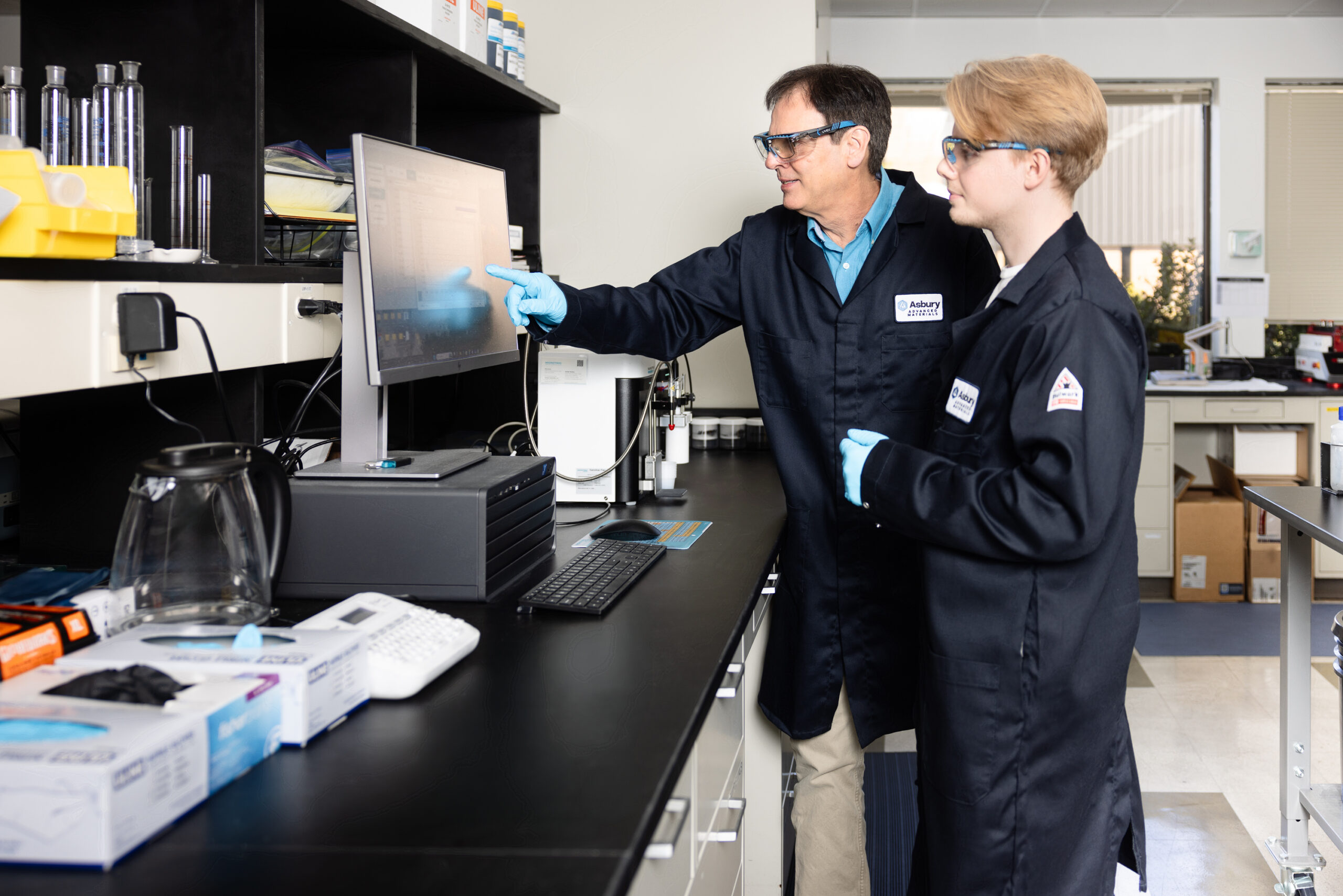
Deep experience across carbon, graphite, and specialty materials—supporting complex, real-world applications.
Knowledgeable teams who understand material behavior, processing requirements, and application constraints.
Reliable materials processed to meet demanding specifications, batch after batch.
A diversified sourcing and distribution network designed to support customers wherever they operate.
Other Industries

Get Started
When Performance Matters, Material Selection Matters.
Trust the materials experts to supply the right graphite, carbon materials, cokes & coals, coatings, and advanced solutions for your application.