Natural Flake Graphite
Natural flake graphite is the most geologically common variety of natural graphite, known for its distinctive platy (flake-like) morphology, excellent lubricity, and high thermal stability.

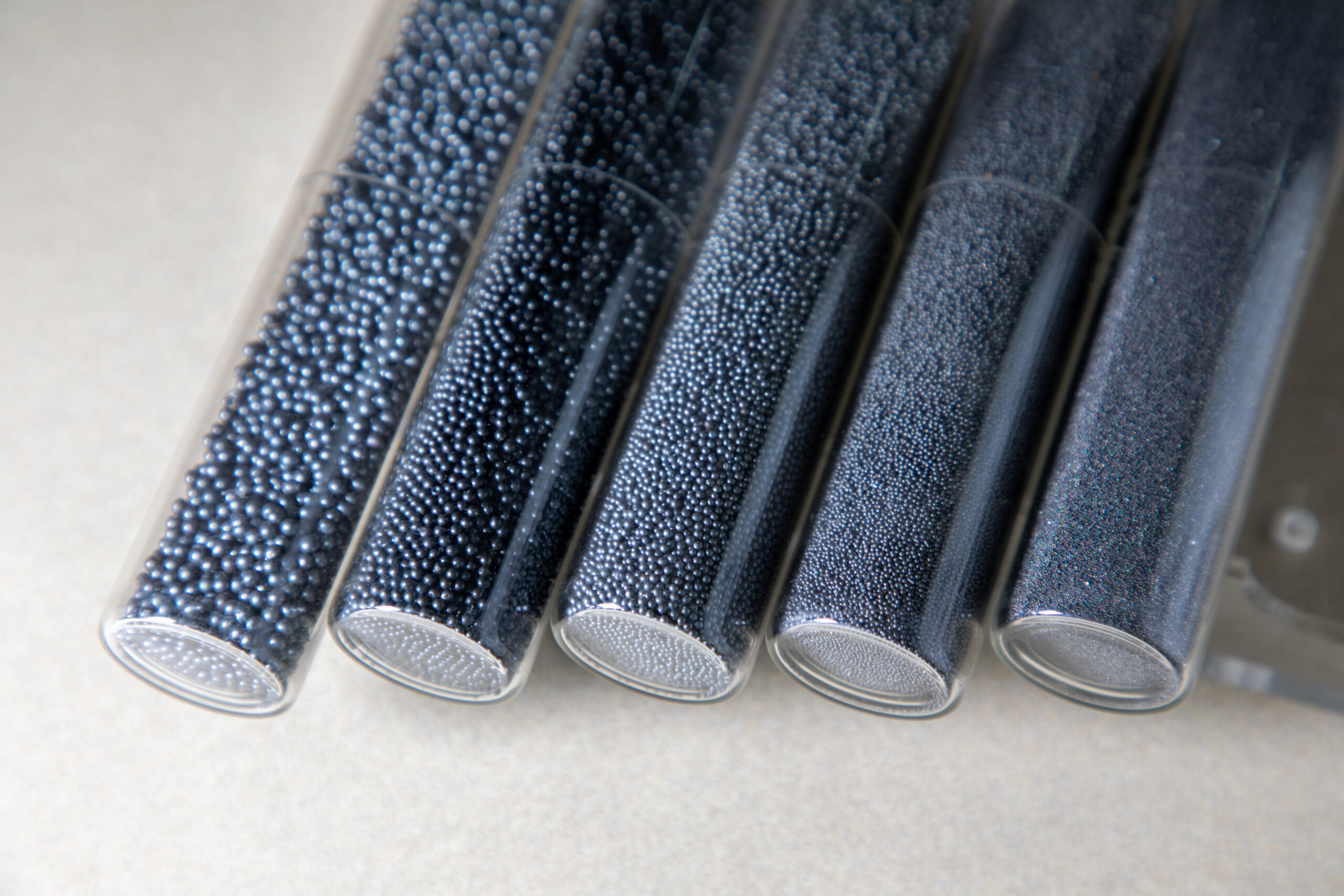
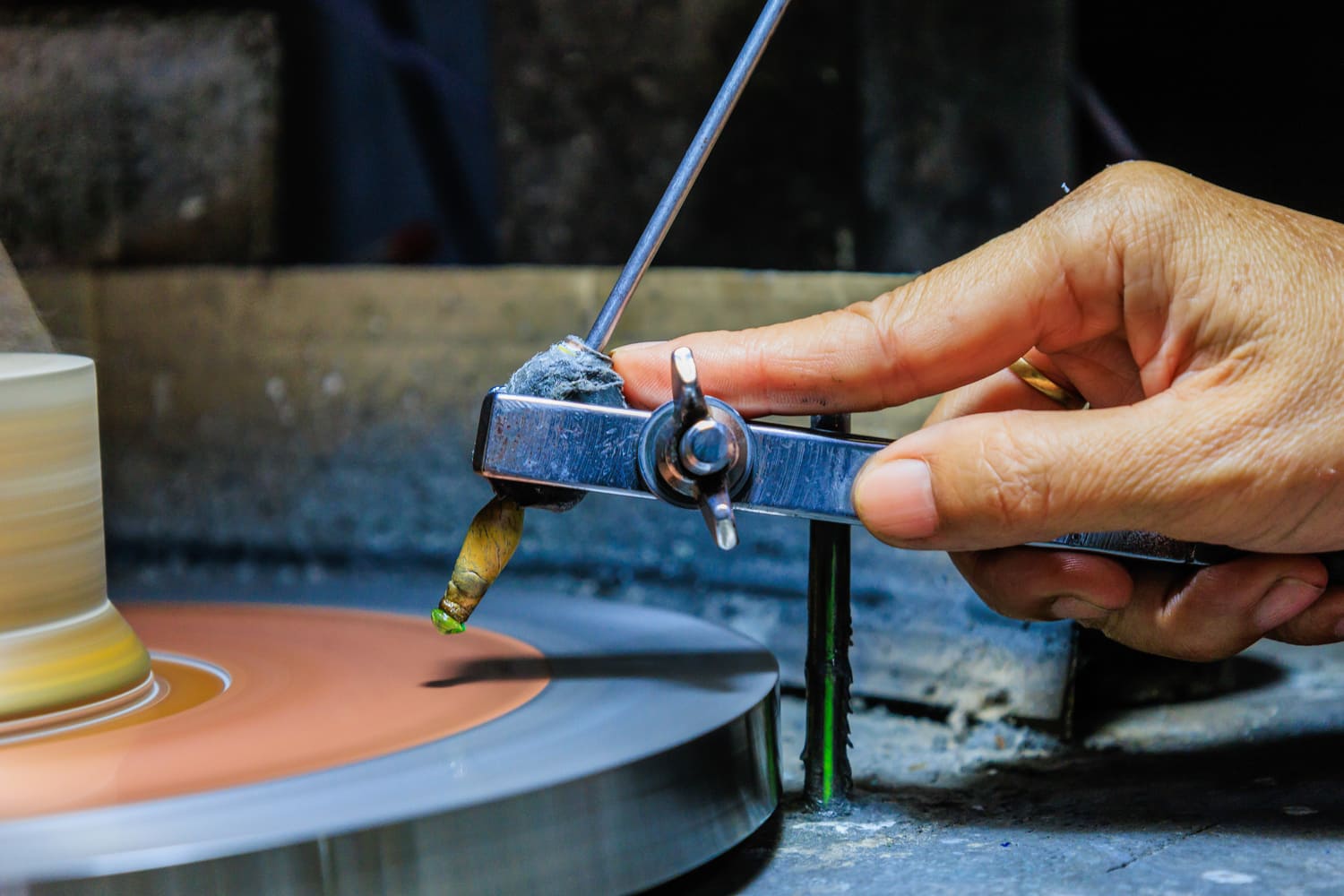
Abrasive applications rely on high-performance media such as steel shot, grit, aluminum oxide, and specialty sands to clean, cut, and finish surfaces across industrial processes. These materials are engineered for controlled hardness, density, and microstructure to deliver consistent performance in demanding environments.
Asbury Canada supplies a broad range of abrasive media designed for surface preparation, cleaning, and finishing operations. Products such as steel shot and grit are engineered to precise hardness ranges, delivering consistent impact energy, improved blasting efficiency, and longer service life. Premium abrasive systems can outperform competitive materials by 10–15%, while strict controls on density and void content help reduce breakdown and extend usable life.
Abrasives are used extensively across metal fabrication, foundries, infrastructure maintenance, and manufacturing operations, where consistent surface preparation and finishing are critical to downstream performance.
At the same time, abrasive performance is closely tied to upstream material quality and process control. Foundry operations, alloy additions, and material processing all play a role in determining how metals respond to abrasive cleaning, finishing, and treatment. Asbury Advanced Materials supports abrasive systems at this broader level, providing engineered carbon and graphite solutions that improve performance, reduce wear, and enhance process efficiency.
Addressing these challenges requires not only high-quality abrasive media, but also materials that improve how those systems perform in operation. Even high-performance abrasive media must overcome a range of challenges:
Properties
Abrasive systems depend on both the media itself and the materials that support the process:
These properties ensure consistent surface finish, improved productivity, and reliable process performance.
Use Cases
While abrasive grains perform the cutting or cleaning action, carbon and graphite materials enhance system performance:
By reducing wear and breakdown, graphite helps extend the usable life of abrasive materials such as shot, grit, and bonded systems.
Graphite reduces the coefficient of friction, allowing smoother interaction between abrasive media and the workpiece.
Improved lubrication and temperature control result in more consistent and higher-quality finishes.
Graphite helps manage heat generated during blasting, grinding, and finishing, protecting both the abrasive and the substrate.
Reduced wear, lower energy consumption, and improved consistency help optimize abrasive operations and reduce overall cost.
Carbon and graphite materials also play a role in casting, alloying, and metal production, influencing the quality and behavior of materials entering abrasive finishing processes.
Recommended Materials
Asbury’s portfolio supports abrasive systems and related manufacturing processes:
Asbury’s capabilities go beyond supplying materials.
Let us help you find your unique solution.
WHY ASBURY
Abrasive performance is not determined by the media alone. It is influenced by the entire process, from casting and alloying to surface treatment and finishing.
Asbury Advanced Materials works across this full system, supplying materials that support metal quality, improve process control, and enhance abrasive performance in real-world applications. By combining global sourcing, technical expertise, and application knowledge, we help customers improve efficiency, reduce waste, and achieve consistent, high-quality results across abrasive operations.
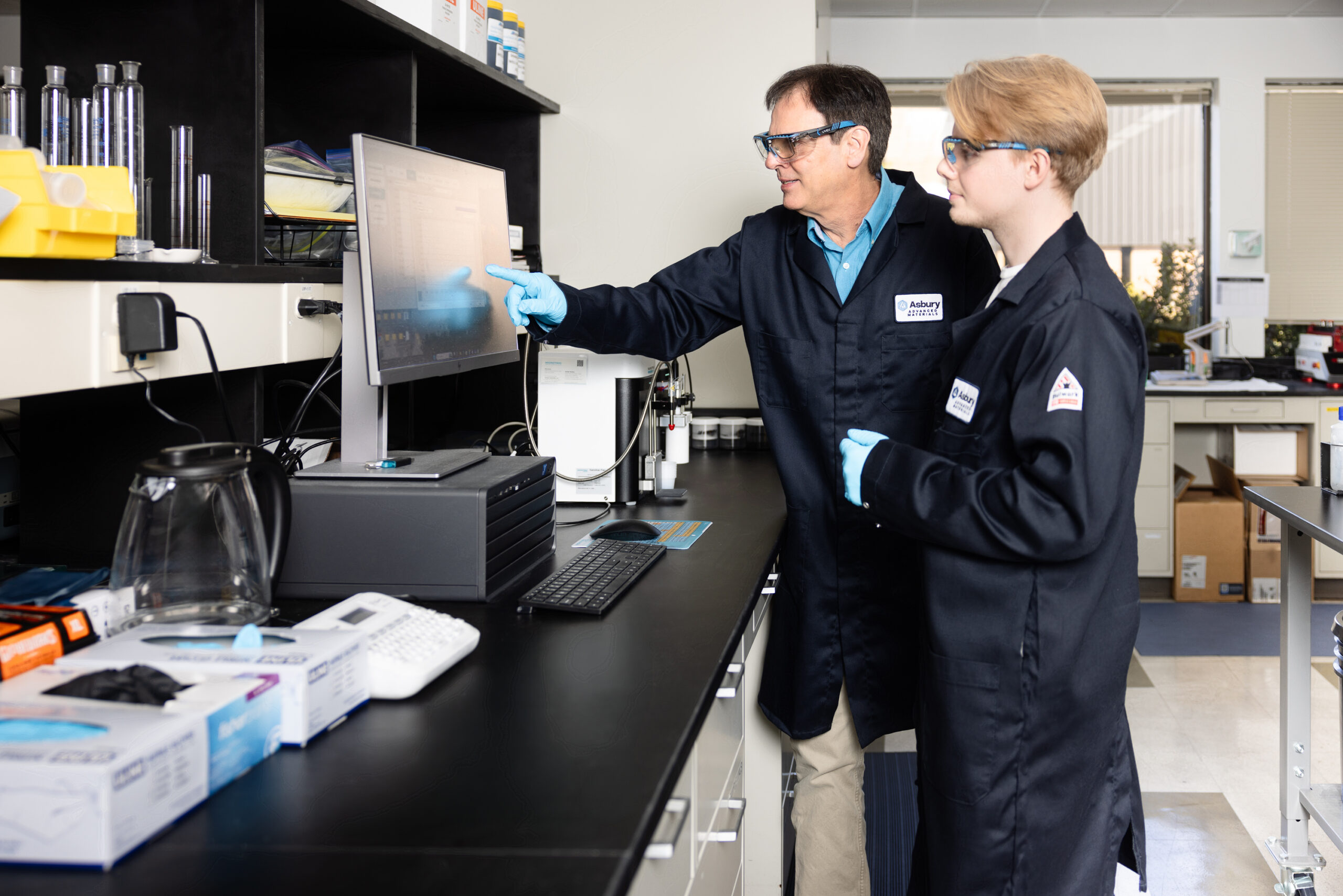
Deep experience across carbon, graphite, and specialty materials—supporting complex, real-world applications.
Knowledgeable teams who understand material behavior, processing requirements, and application constraints.
Reliable materials processed to meet demanding specifications, batch after batch.
A diversified sourcing and distribution network designed to support customers wherever they operate.
Industries

Get Started
When Performance Matters, Material Selection Matters.
Trust the materials experts to supply the right graphite, carbon materials, cokes & coals, coatings, and advanced solutions for your application.