
Graphite 101: Introduction
Explore the fundamentals of graphite, including its structure, properties, natural and synthetic forms, and the critical role it plays in industrial materials, products, and processes.
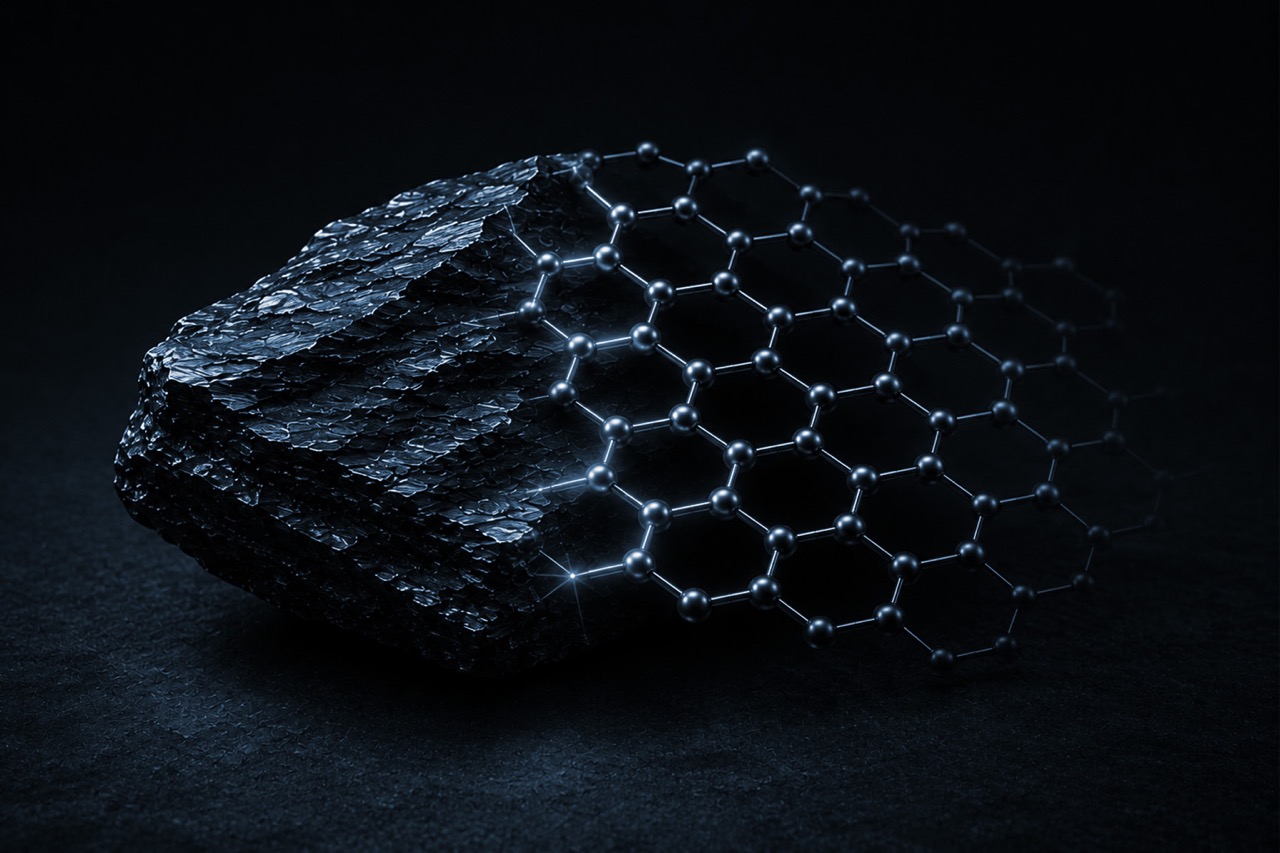
An integral tool from the time we’re toddlers, graphite is most known as the active ingredient in lead pencils. It is one of the three familiar naturally occurring forms of the chemical element carbon, along with amorphous carbon (not to be confused with amorphous graphite) and diamond.
Despite its popular use in writing instruments the material’s use is far outweighed by a myriad of other industrial applications whose performance depends on its unique chemical and physical properties. Graphite is a major additive to many industrial systems where it provides functionality as a refractory, lubricant, thermal conductor, electrical conductor, UV shield, electromagnetic pulse shield, corrosion shield, pigment, etc. The articles presented here are a qualitative introduction to graphite as a material that can provide formulators and manufacturers with an efficient means of adding value to their products and processes. The unique properties of graphite, its formation, and application will be described with emphasis on the eloquent relationship between molecular and crystallographic form and their effect on function.
Graphite is considered an archaic industrial mineral since it has been mined for its useful properties (lubrication, pigmentation, writing, etc.) for thousands of years. The word graphite is derived from the Greek word graphein, which means, to write. A version of the word graphein is still retained by carbon scientists as the word graphene, which is the term used to describe a single layer of a graphite crystal, the graphene layer. The documented use of graphite as a commercial writing material is traced to the area around Keswick in Cumberland Great Britain where a high quality deposit of writing graphite was discovered in the middle of the 1500s (Petroski).
During the late 1800s, while attempting to manufacture the refractory material silicon carbide, E.G. Acheson discovered that synthetic graphite formed as a result of this ultra-high temperature electric process. This discovery was the birth of the synthetic graphite industry. At approximately the same time that Mr. Acheson was experimenting with the manufacture of synthetic graphite electrodes, Mr. Riddle (the founder of Asbury Graphite Mills, Inc.) was converting a water-powered mill, formally used to grind flour, into a natural graphite grinding mill.
With the help of the Asbury Graphite Mills, Inc., today’s industrial society has the benefit of Asbury’s 110+ years of processing both natural and synthetic graphite products to strict size, purity, and performance specifications using the most up-to-date grinding and size-classification equipment.
Graphite materials fit into two primary classifications: natural graphite and synthetic graphite. Natural graphite can be further divided into three primary types: amorphous, flake, and crystalline vein. Each type has characteristic properties and is formed in a unique geologic setting. Synthetic graphite can be divided into many types with its ultimate properties dependent on the precursor carbon used in its manufacture, as well as the carbon’s precursor heat treatment history.
Regardless of type, all graphite materials share certain inherent characteristics, which are a reflection of the atomic structure and crystallographic arrangement of carbon atoms in the graphite crystal. Properties such as lubricity, thermal conductivity, electrical conductivity, color, etc., are all constants when applied to a single crystal of graphite. However when single crystals or crystallites combine to form macroscopic particles as in flakes, lumps, powders, or pieces of graphite, these properties see changes that reflect the way microscopic crystals are arranged in macroscopic particles. Crystal or crystallite orientation relative to neighbor domains, grain boundary effects, etc., all contribute to the overall bulk properties of the solid or powder which can be very different from those of the perfect crystal. This arrangement of crystals and crystallites, as well as the purity of a given graphite material, is what gives graphite of different types their respective properties. These differences result in the variation in performance characteristics observed for different graphite materials.
Next, learn more about the structure, bonding, morphology, and general properties of graphite as we delve further into the various forms available from Asbury Advanced Materials.
An in-depth walk through the basics of graphite. We invite you to learn more about this important material and the critical role it plays on our planet and in your projects.
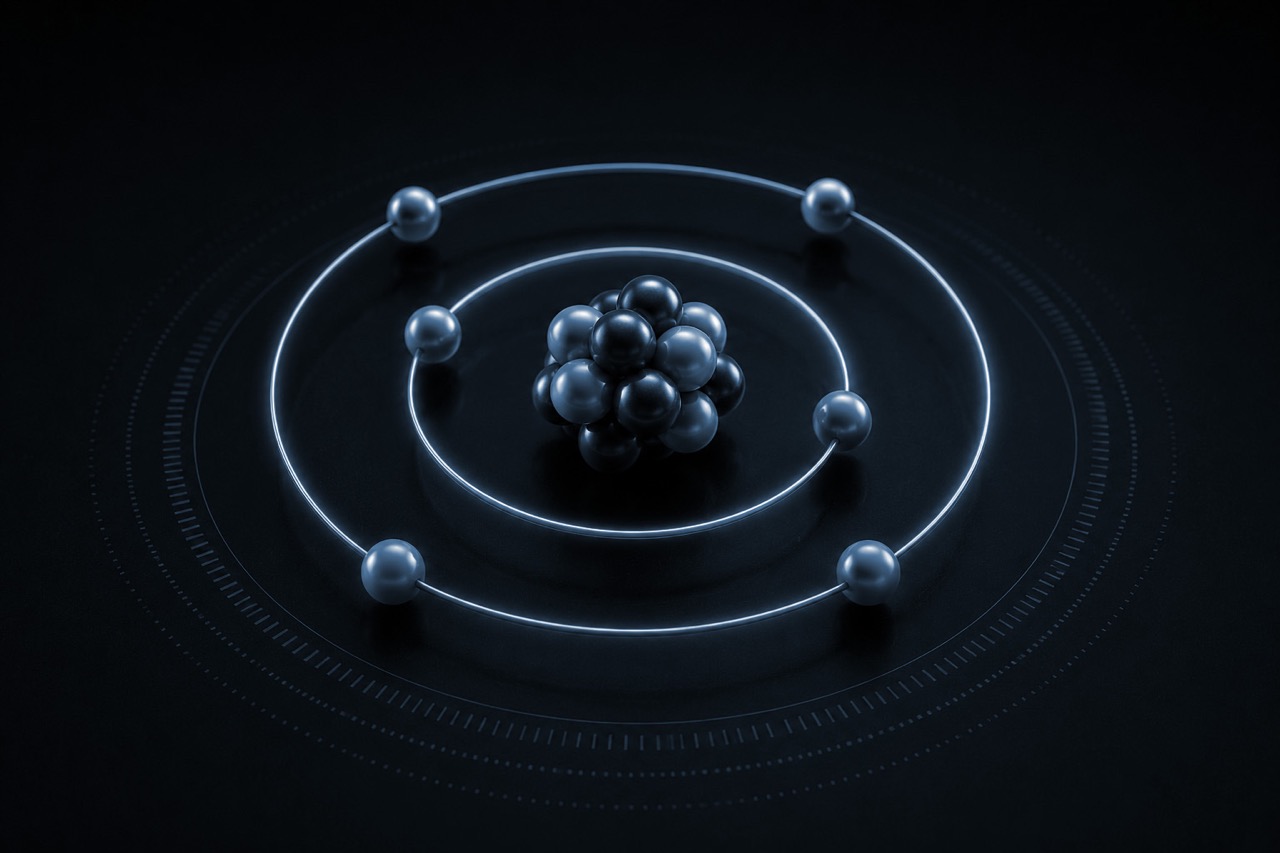
Carbon by the Number
Carbon is a chemical element. Its atomic number is 6; its atomic weight is 12.011. It is a group IVA element, residing between boron and nitrogen on the periodic table, and it has 6 protons, 6 neutrons, and 6 electrons. The electron configuration is 1s2 , 2s2, 2p2. Why does that matter?
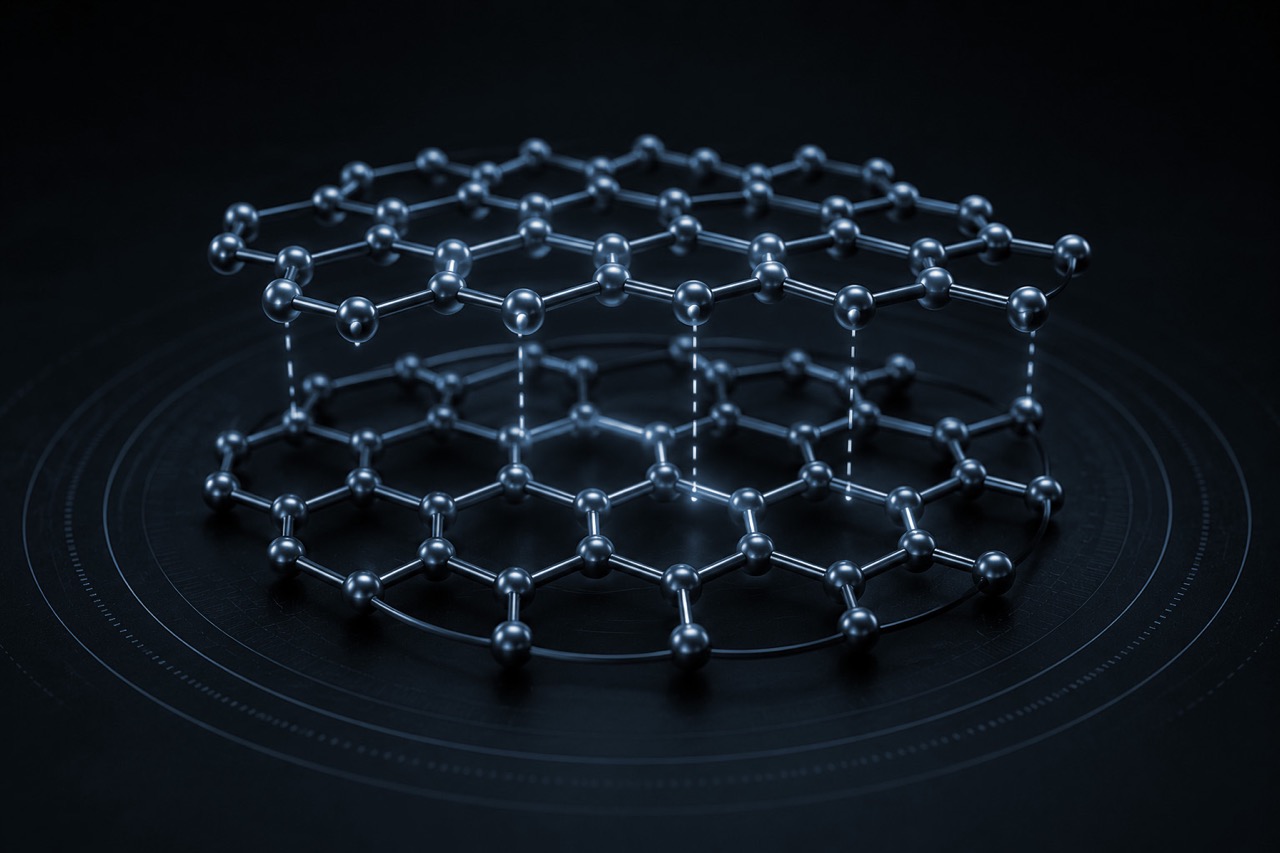
Structure and Bonding
Like all other materials, carbon’s properties are the direct result of the strength and directionality of the bonds that hold the carbon atoms together. So any discussion of graphite must begin with the “structure and bonding” within a carbon material in order to understand why a particular carbon behaves the way it does.

Aromaticity and Resonance: The Chemical Stabilizing Factor in Graphite
The propensity of any material to react with its environment is directly related to that material’s energy level with respect to that environment. Substances that are highly energetic tend to be more reactive and their reactions tend to reduce the overall energy potential of the system. This is the way of the world, or universe for that matter. Things, reactions, even life, tend to move from high energy to low energy.
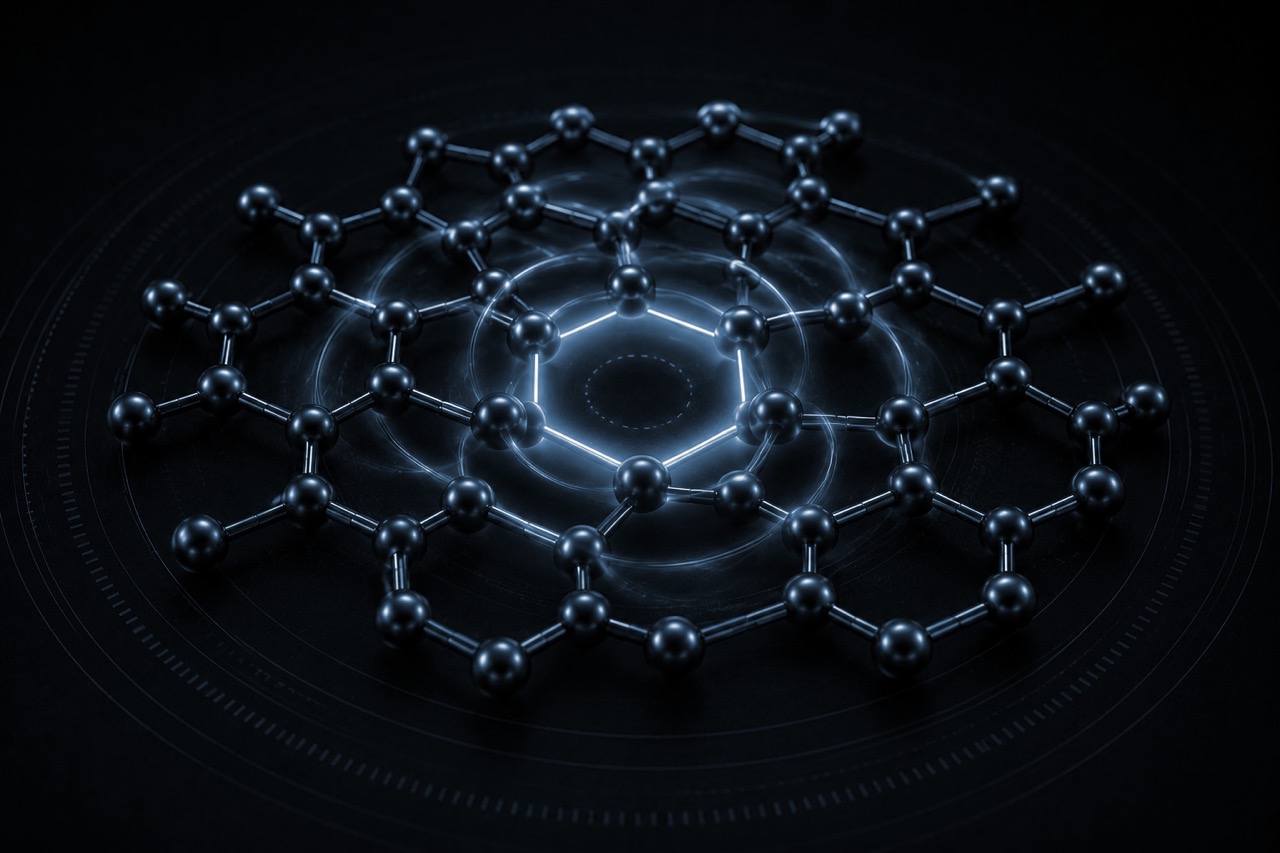
The Hexagonal Crystal System
A good understanding of graphitic materials requires a basic understand of the crystal system to which the graphite structure belongs. Although a thorough discussion of crystallography is beyond the scope of this article it is important to understand that carbon atoms in the graphite structure are arranged in a hexagonal crystal lattice. This Hexagonal System meshes perfectly with the structure, bonding, and properties of graphitic carbon.
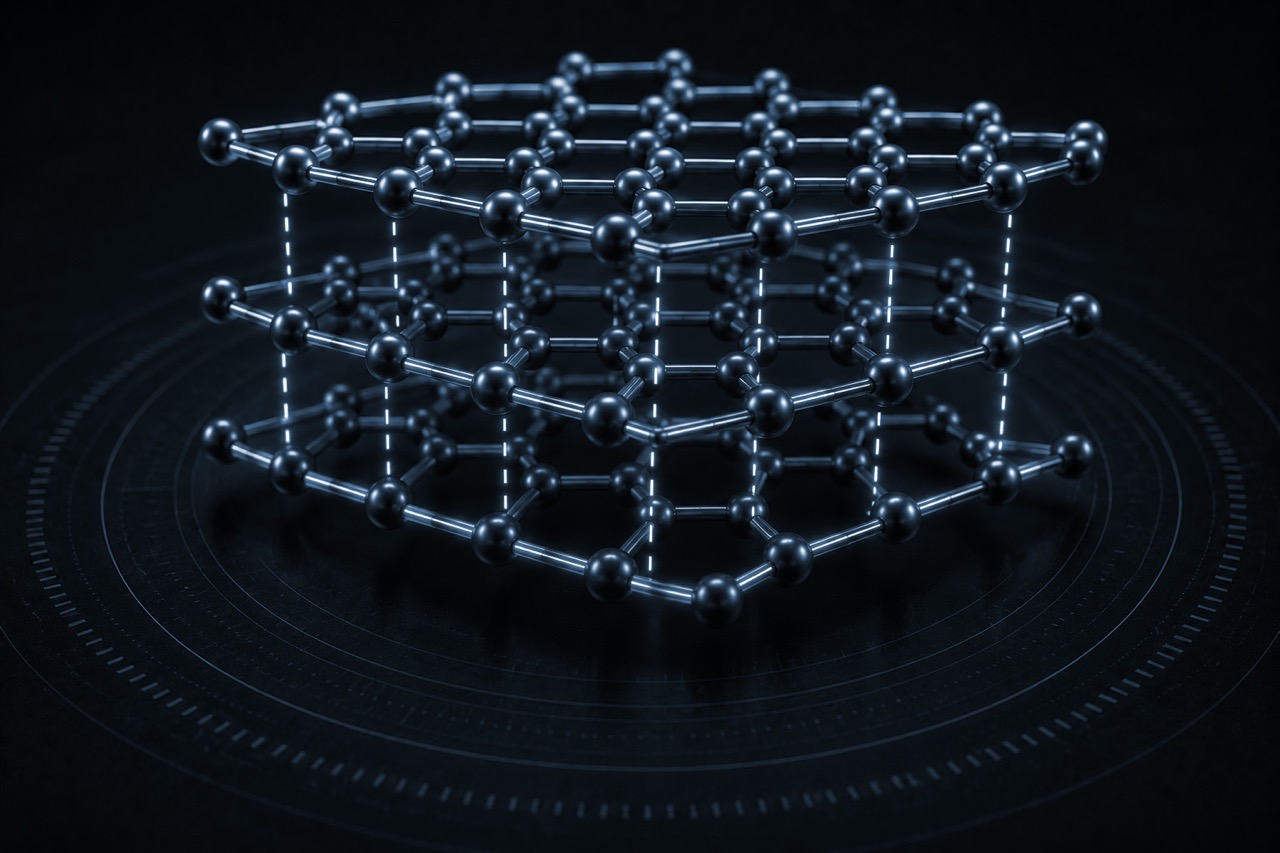
Structural Description
Crystalline graphite is not simply a bunch of graphene layers piled one on top of the other, but is highly ordered structure.
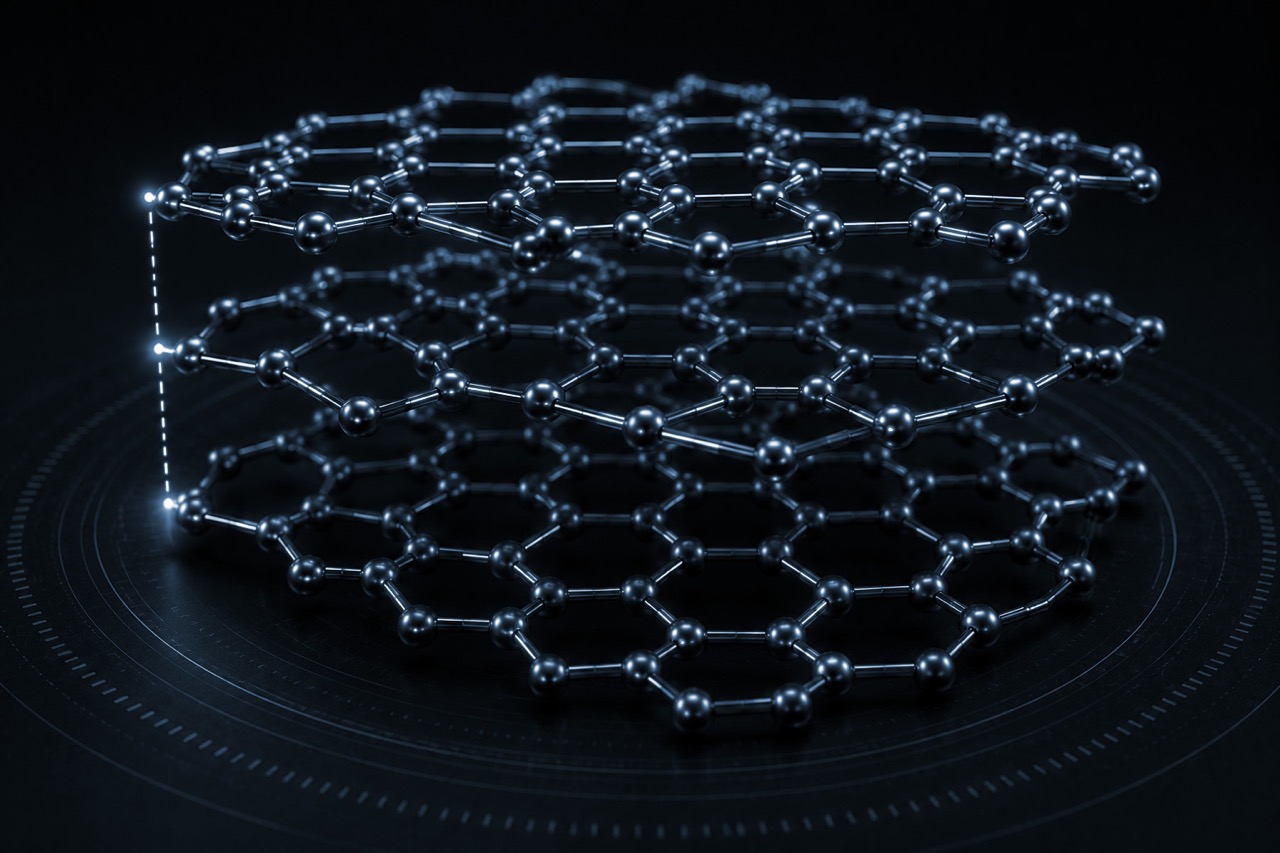
Rocks, Metamorphic Rocks, and Metamorphic Environments
Most natural graphite materials are formed in geological settings known as metamorphic environments. The term “Metamorphic” means to transform, so metamorphic rocks or minerals are those that undergo change during their geologic history. This change is typically caused by exposure to heat and pressure in the earth’s crust. Read More

Anisotropy
An anisotropic material is a material that has different properties (chemical, physical, or both) depending on the crystallographic direction in which the property is observed. Graphite is the classic example of an anisotropic substance. Read More
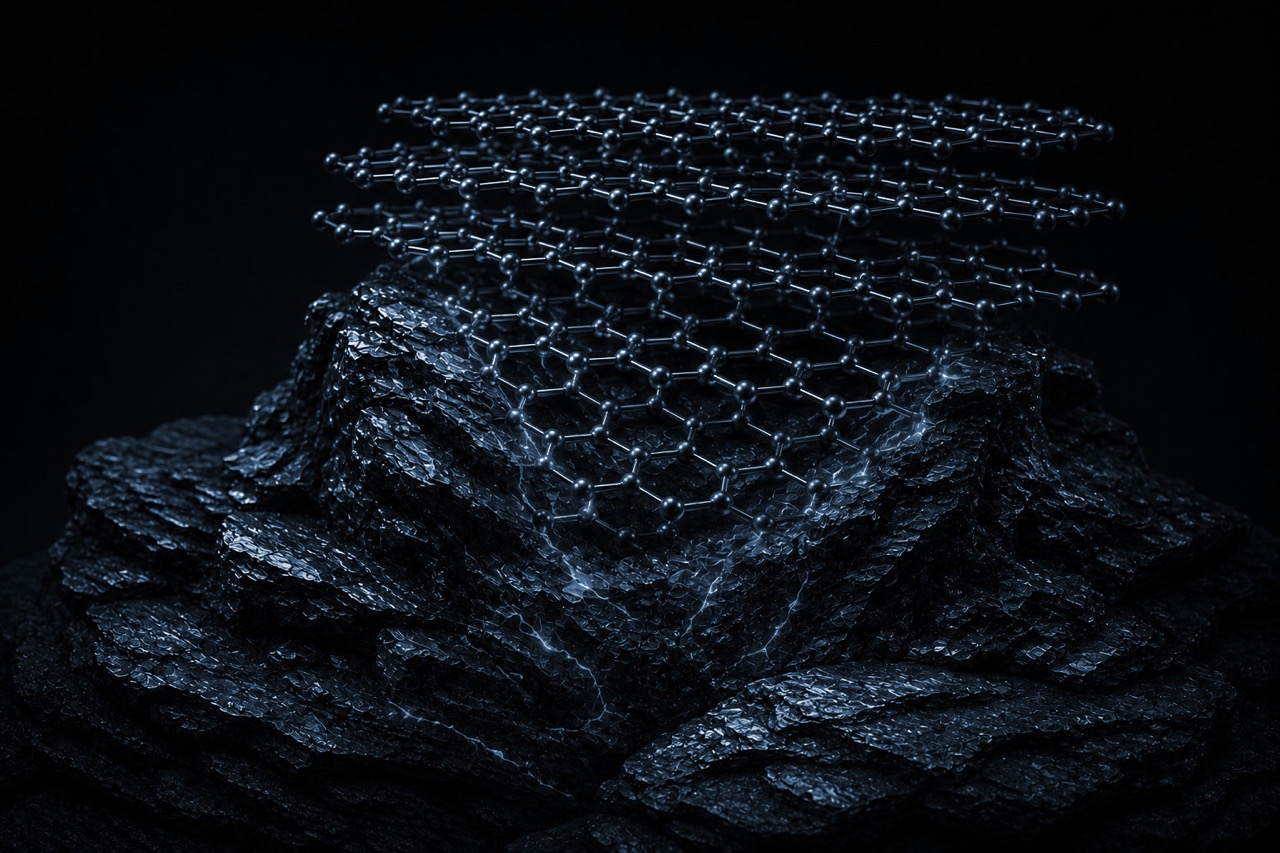
Organic Geochemistry and Petrology
The study of the emplacement of carbon in the earth’s crust is known as organic geochemistry and organic petrology. In their excellent work on the subject, authors and chemists, Stephen and Vanessa Killops describe organic geochemistry as “concerning the fate of all organic compounds in the geosphere as a whole.”