
Synthetic Graphite
Manufactured from other types of carbon, this material is suitable for use in many applications.
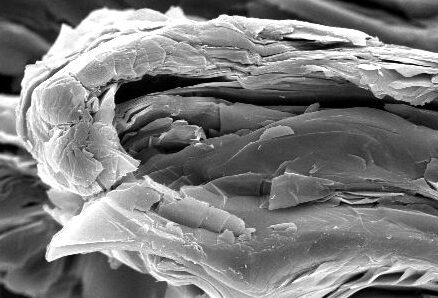
Manufactured from Other Carbons
Synthetic, or artificial, graphite is engineered under controlled conditions by treating amorphous carbon materials at high temperatures. In the United States, the primary feedstocks used are calcined petroleum coke and coal tar pitch.
A Wide Range of Applications
Applications include, but are not limited to: friction, foundry, electrical carbons, fuel cell bi-polar plates, coatings, electrolytic processes, corrosion products, conductive fillers, rubber and plastic compounds, and drilling. For a comprehensive overview of synthetic graphite, including applications, see the Materials page.
Technical Introduction and History
Artificial graphite was discovered by accident during the late 19th century. While seeking to create silicon carbide (carborundum) in an electric furnace, using a combination of silica and amorphous carbon, Edward Goodrich Acheson found that the reaction also created graphite crystals. By refining the process and eliminating silica (SiO2) from the equation, a high-quality product could be made from certain types of carbon. The Acheson furnace and the Acheson process are still in use today. To learn more about what types of carbon can be graphitized and how the manufacturing process works, download our Introductory technical presentation.
Advanced Topics Morphology
The morphology of most synthetic graphite varies from flakey (in fine powders) to irregular grains and needles (in coarser products). For more on this advanced topic, download this technical presentation that includes a number of scanning electron micrographs illustrating the morphology of graphitizable calcined petroleum coke materials.