Amorphous Graphite
Learn a few key facts about this anhedral form of graphite.
A Contradiction in Terms
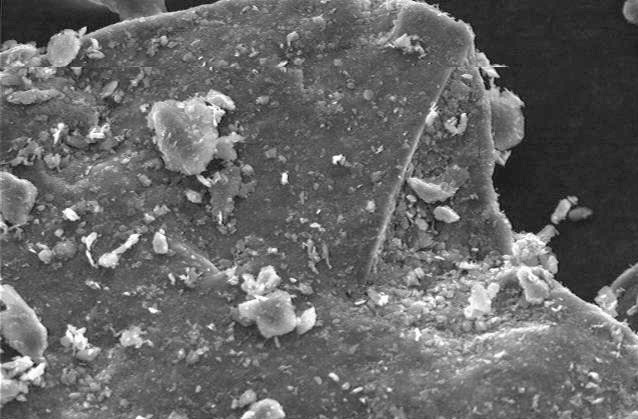
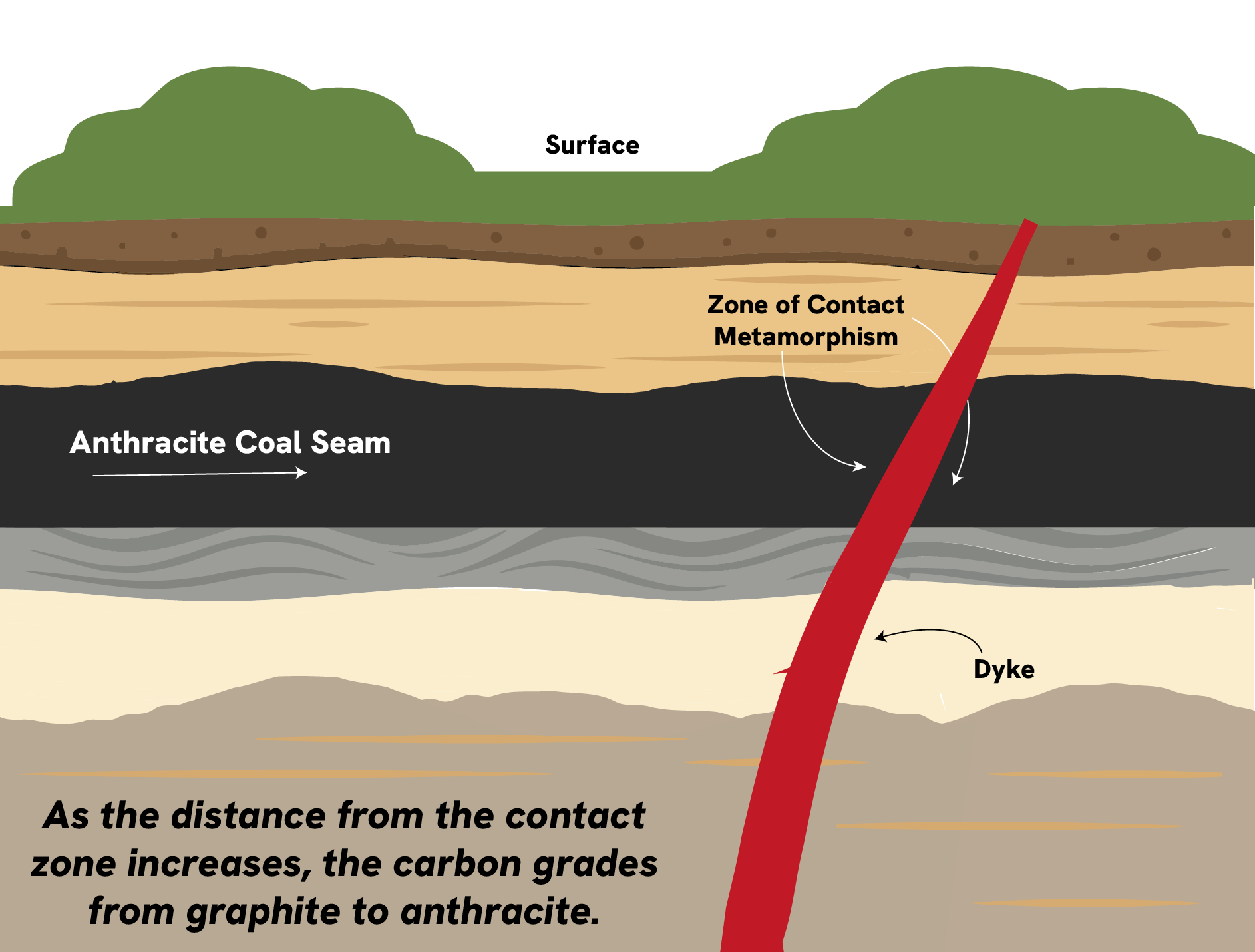
The term “amorphous graphite” is a contradiction in terms because it is impossible for graphite to be amorphous. By definition, it is crystalline. However, the term came into use because this form of the mineral is anhedral, it has no visible crystallinity and looks much like a lump of anthracite coal. While it is, in fact, a seam mineral that derives from anthracite, it is much denser (2.2g/cc v. 1.7g/cc).
A Less Costly Form
Amorphous graphite is typically lower in cost than other forms. It is typically higher in ash and less pure, because the ash, or mineral matter, that was present in the original anthracite remains after metamorphosis occurs. The impurities can consist of attached particulates, such as quartz, or clay-like minerals that are intimately associated with the carbon. The composition of amorphous graphite results in its being well suited to certain coating, lubrication, and other applications.
Found Around the World
Most of the current supply of amorphous graphite available in the United States is imported from Mexico and China. Other sources have included Korea, Italy, and the state of Rhode Island. Visit the Amorphous Graphite Materials page to learn more about characteristics, formation, mining, and performance.