Carbon by the Number
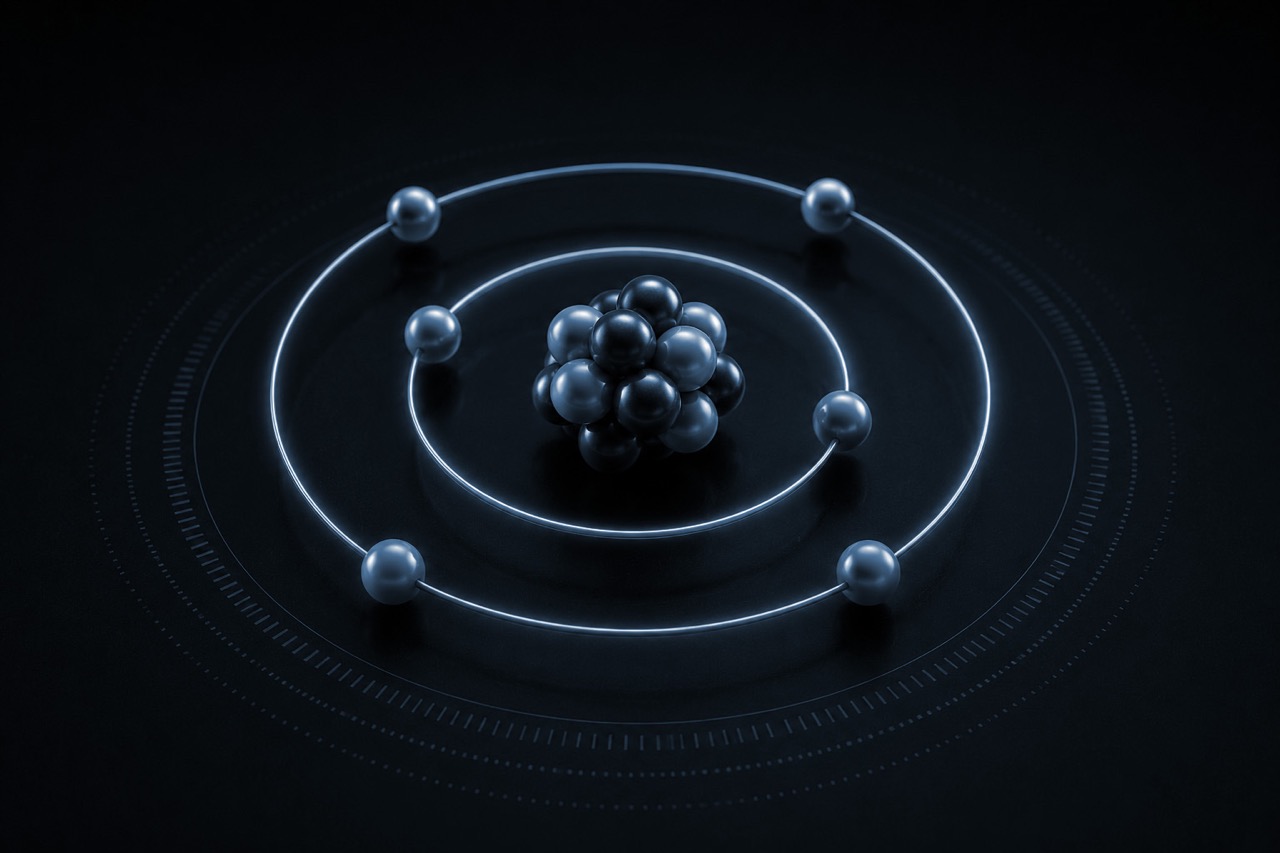
This article introduces carbon as a foundational chemical element, explaining its natural forms, chemical reactivity, industrial uses, and essential role as the building block of life.
Read More

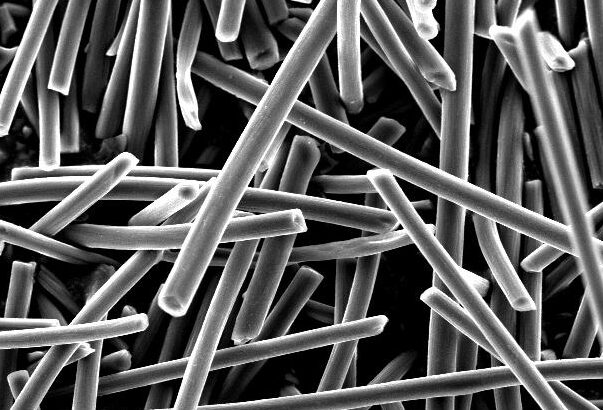
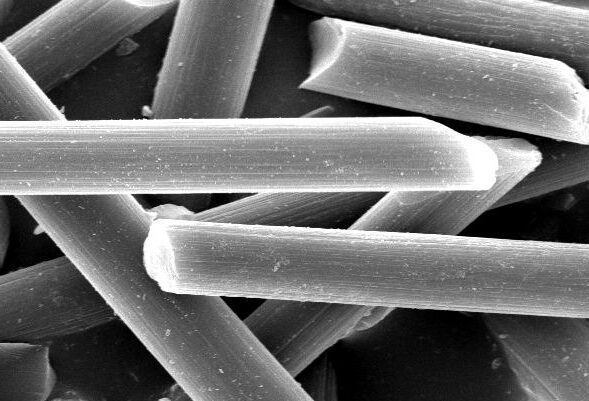
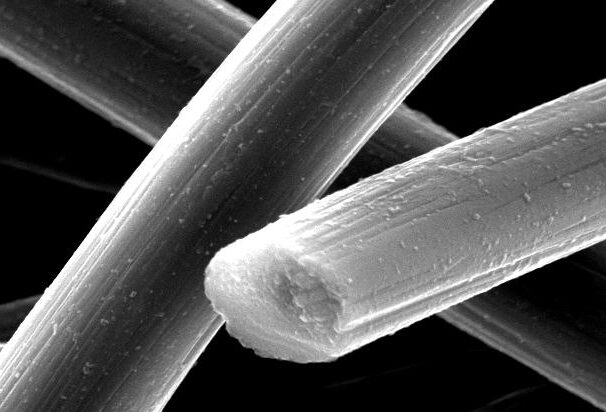
Carbon fibers are high-performance materials known for their exceptional strength-to-weight ratio, offering up to five times the strength of steel while remaining significantly lighter. These fibers provide excellent mechanical strength, wear resistance, chemical stability, and fatigue resistance, making them valuable reinforcement additives in polymers, coatings, and composite systems.
Carbon fibers also offer high temperature resistance, low thermal expansion, and potential electrical or thermal conductivity, depending on the precursor material used in manufacturing.
Carbon fibers are manufactured by spinning a polymer precursor material into fibers and then thermally treating the fibers at high temperatures to develop a graphite-like carbon structure. This heat treatment aligns the carbon molecular structure along the fiber axis, producing extremely strong covalent bonds that give carbon fibers their high tensile strength and stiffness.
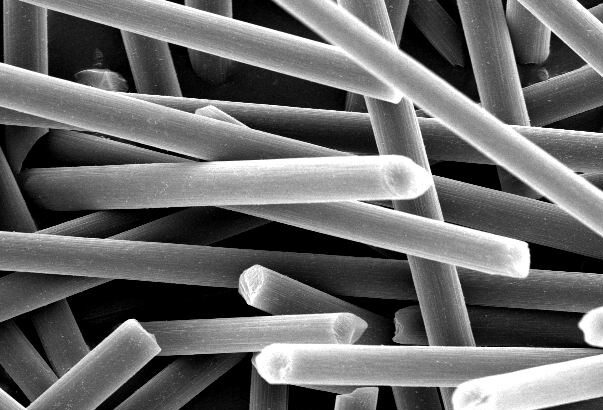
Common precursor materials used to manufacture carbon fibers include Polyacrylonitrile (PAN), Oxidized PAN, and Petroleum Pitch. Asbury supplies carbon fibers in several forms including Chopped Carbon Fibers and Milled Carbon Fibers. These materials are used as reinforcement additives in coatings, composites, polymers, and engineered materials.
Properties
Carbon fibers offer a unique combination of mechanical strength and functional performance.
Applications
Carbon fibers are used in demanding industrial applications where lightweight strength and performance are required.
Improves durability, wear resistance, and electrostatic dissipation in specialty coatings.

Enhances wear resistance, mechanical strength, and thermal stability in friction materials.
Provides reinforcement and conductivity in polymer compounds and composite materials.
How It Works
The performance characteristics of carbon fibers depend largely on the precursor material used in manufacturing.
Carbon fibers are commonly supplied in chopped or milled forms for use as additives in coatings, composites, and polymer compounds.
Chopped carbon fibers may include surface treatments or sizing to improve compatibility with specific resin systems.
Common sizing options include:
WHY ASBURY
Asbury Advanced Materials supplies chopped and milled carbon fibers derived from PAN, oxidized PAN, and pitch precursors to support coatings, polymer reinforcement, friction materials, and advanced industrial applications.

Deep experience across carbon, graphite, and specialty materials—supporting complex, real-world applications.
Knowledgeable teams who understand material behavior, processing requirements, and application constraints.
Reliable materials processed to meet demanding specifications, batch after batch.
A diversified sourcing and distribution network designed to support customers wherever they operate.
Resources

Get Started
When Performance Matters, Material Selection Matters.
Trust the materials experts to supply the right graphite, carbon materials, cokes & coals, coatings, and advanced solutions for your application.