Carbon by the Number
This article introduces carbon as a foundational chemical element, explaining its natural forms, chemical reactivity, industrial uses, and essential role as the building block of life.
Read More

Activated carbon is widely used to remove organic and inorganic compounds from gas streams, liquid systems, and industrial wastewater. Its extremely high surface area and porous structure allows it to effectively adsorb contaminants, remove color, and purify process streams.
Activated carbon is commonly used for water treatment, air purification, industrial filtration, and decolorization where efficient contaminant removal is required.
Activated carbon is a form of carbon processed to create a highly porous internal structure that significantly increases surface area. These pores trap and hold impurities through adsorption, making activated carbon an effective material for purification and filtration applications. Asbury offers activated carbon in several forms including Granular Activated Carbon (GAC) and Powdered Activated Carbon (PAC).
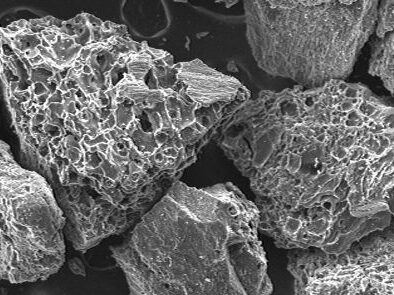
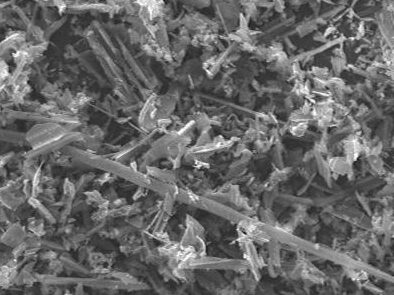
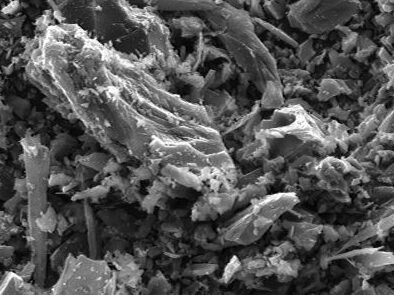
Activated carbon is typically produced from carbon-rich materials such as:
Bituminous Coal
(mesoporous structure)
Coconut Shell
(microporous structure)
Wood
(macroporous structure)
Properties
Activated carbon materials provide excellent adsorption performance due to their porous structure.
Applications
Activated carbon is used across many industries where purification and contaminant removal are required. It is widely used as gas and liquid stream adsorbents for organic and inorganic substances or to remove toxic agents from wastewater and process effluent gas.
An excellent decolorizer that can remove even the toughest organic dyes.

How It Works
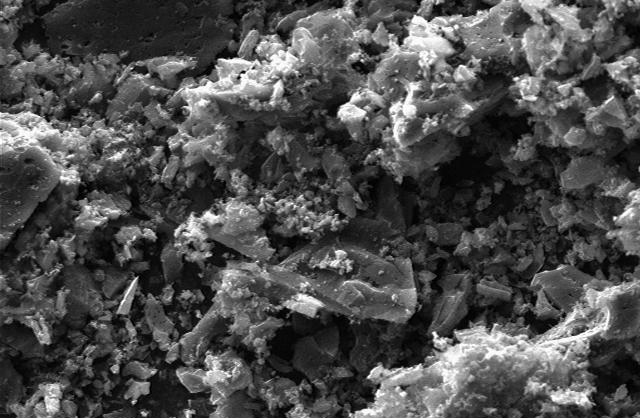
Activated carbon removes contaminants through adsorption, a process in which molecules adhere to the surface of the carbon material. The extensive network of micropores, mesopores, and macropores provides a large surface area that allows activated carbon to capture a wide variety of organic and inorganic compounds.
The effectiveness of activated carbon depends largely on its pore size distribution:
Activated carbon is produced through controlled oxidation processes that create the material’s porous structure.
The raw material is heated to temperatures between 800–1000°C in the presence of steam or oxidizing gases to develop the internal pore structure.
The raw material is heated at 400–600°C in the presence of chemical activating agents such as phosphoric acid, which promotes pore development at lower temperatures.
WHY ASBURY
Asbury Advanced Materials offers activated carbon materials derived from coal, coconut shell, and wood in powdered, granular, and pelletized forms to support water treatment, air purification, and industrial filtration applications.
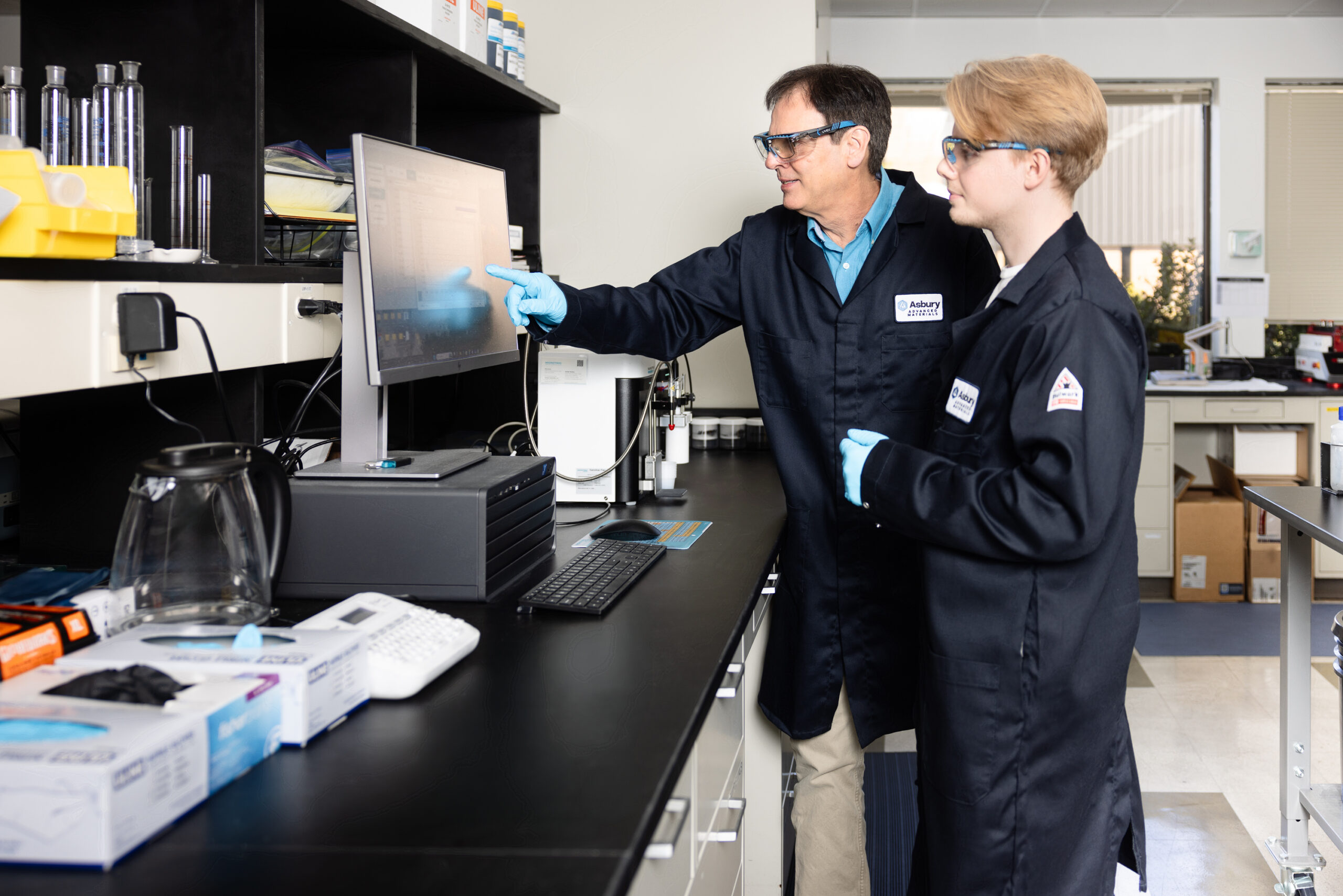
Deep experience across carbon, graphite, and specialty materials—supporting complex, real-world applications.
Knowledgeable teams who understand material behavior, processing requirements, and application constraints.
Reliable materials processed to meet demanding specifications, batch after batch.
A diversified sourcing and distribution network designed to support customers wherever they operate.
Resources

Get Started
When Performance Matters, Material Selection Matters.
Trust the materials experts to supply the right graphite, carbon materials, cokes & coals, coatings, and advanced solutions for your application.